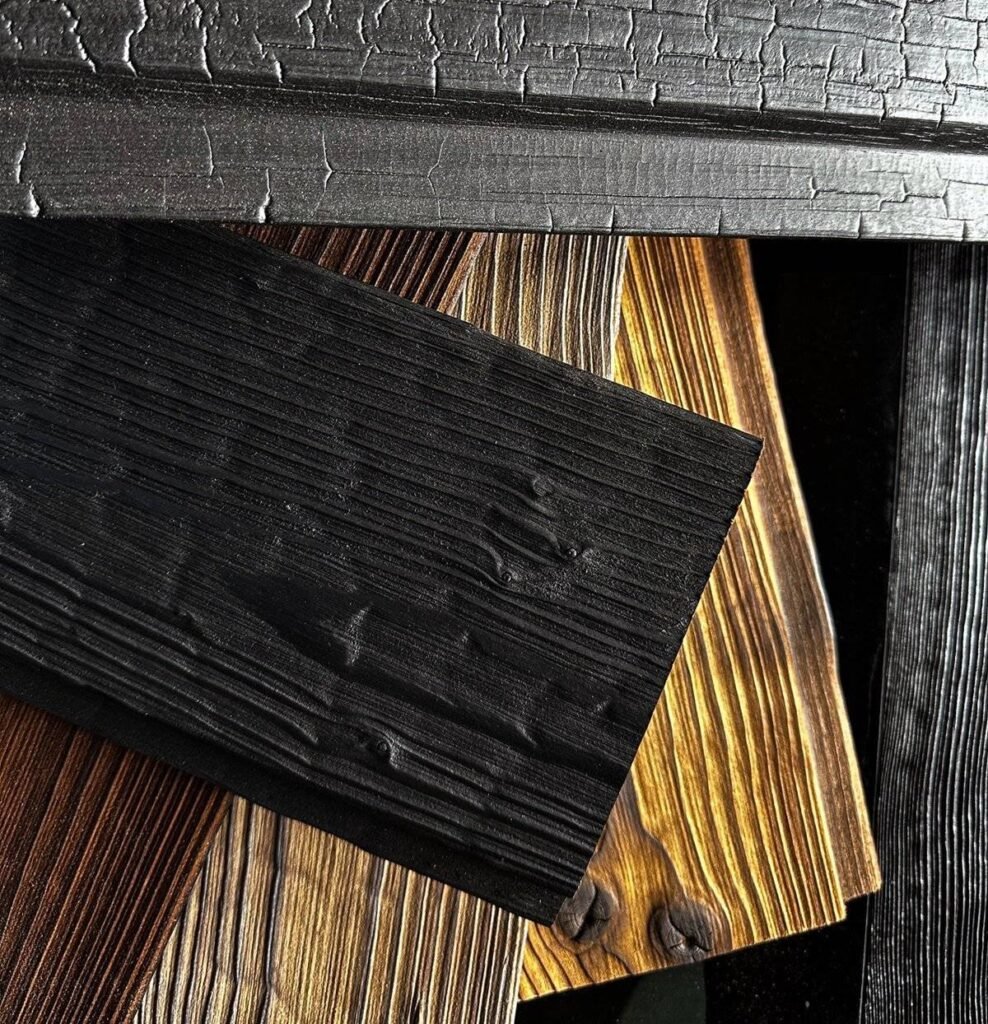
Selecting exterior materials today requires assessment of their aesthetic appeal and their durability and environmental impact and their functional characteristics. Property owners face challenges with cladding materials because they experience fading and warping and require ongoing upkeep. The problems create expenses that accumulate over time, while they also produce visual inconsistencies. The current moment shows the greatest need for burnt larch cladding. Architects and homeowners pursue eco-friendly building solutions that offer attractive yet strong construction materials because of the increasing demand for sustainable building practices.
The article demonstrates Bauwn method of using burnt larch cladding to fulfill contemporary design requirements while comparing its performance to various wood materials and providing necessary information to guide your material selection process.
Why Burnt Larch Cladding Is Gaining Popularity
The creation of burnt larch cladding through the traditional Japanese Yakisugi technique involves charring larch wood surfaces. The process provides durability benefits to wood materials while creating a textured appearance that resembles rich texture.
Key Benefits of Burnt Larch
- Increased resistance to moisture, insects, and decay
- Improved fire performance compared to untreated wood
- Reduced maintenance due to sealed wood fibers
- Distinctive, modern aesthetic that ages gracefully
The Bauwn operation focuses on burning techniques that achieve precise control while building wood strength without damaging its structural properties. The burnt finish of larch wood cladding offers better protection and extended durability when compared to untreated larch wood cladding in extreme weather conditions.
Comparing Burnt Larch with Other Wood Cladding Options
Selecting cladding often involves comparing multiple wood species and finishes. While larch wood cladding is already known for its strength and natural oils, the burning process elevates its performance further.
Burnt Larch vs Spruce and Other Softwoods
Many builders also consider materials like solid spruce wood for interior or sheltered exterior applications. The lightweight and affordable nature of spruce requires chemical treatments to achieve its full durability potential.
Burnt larch cladding stands out because:
- It relies on a natural process rather than chemical preservatives
- It performs better in exposed exterior environments
- It offers deeper color variation and texture
That said, solid spruce wood still plays an important role in construction where structural efficiency and smooth finishes are priorities. Bauwn helps clients choose the right material based on application, not trends.
Installation and Design Considerations
Burnt larch cladding is versatile and works across residential, commercial, and architectural projects. However, proper planning ensures optimal results.
Design Tips for Best Results
- Use ventilated façade systems to allow airflow
- Choose consistent board orientation for a clean look
- Pair dark cladding with lighter architectural elements
- Seal cut ends properly during installation
Common Mistakes and FAQs About Burnt Larch Cladding
Mistakes to Avoid
- Assuming all burnt wood products are the same
- Skipping professional installation advice
- Ignoring ventilation and moisture management
Understanding these factors ensures your investment performs as expected.
Frequently Asked Questions
1. How long does burnt larch cladding last?
When properly installed and maintained, burnt larch cladding can last 40–50 years, even in harsh weather conditions.
2. Does burnt larch require maintenance?
Minimal maintenance is required. Occasional inspection and optional oiling can help preserve color, but structural integrity remains strong without frequent upkeep.
3. Is burnt larch environmentally friendly?
Yes. The process relies on heat rather than chemicals, and Bauwn sources wood from responsibly managed forests.
4. Can burnt larch be used alongside other wood types?
Absolutely. It pairs well with materials like solid spruce wood for interior accents or structural elements, creating visual contrast and functional balance.
Conclusion
Burnt larch cladding provides an uncommon combination of three essential qualities, which include durability and sustainable features and architectural beauty. Bauwn creates a product that combines larch’s natural characteristics through controlled burning to achieve superior performance in modern building projects.
The advantages of the system become evident through its ability to decrease maintenance needs while providing long-term financial benefits. Your exterior upgrade or new construction project will benefit from considering burnt larch cladding because it serves as a forward-looking decision. You should investigate your available choices and evaluate materials with care before selecting a solution that meets your design goals and performance requirements.