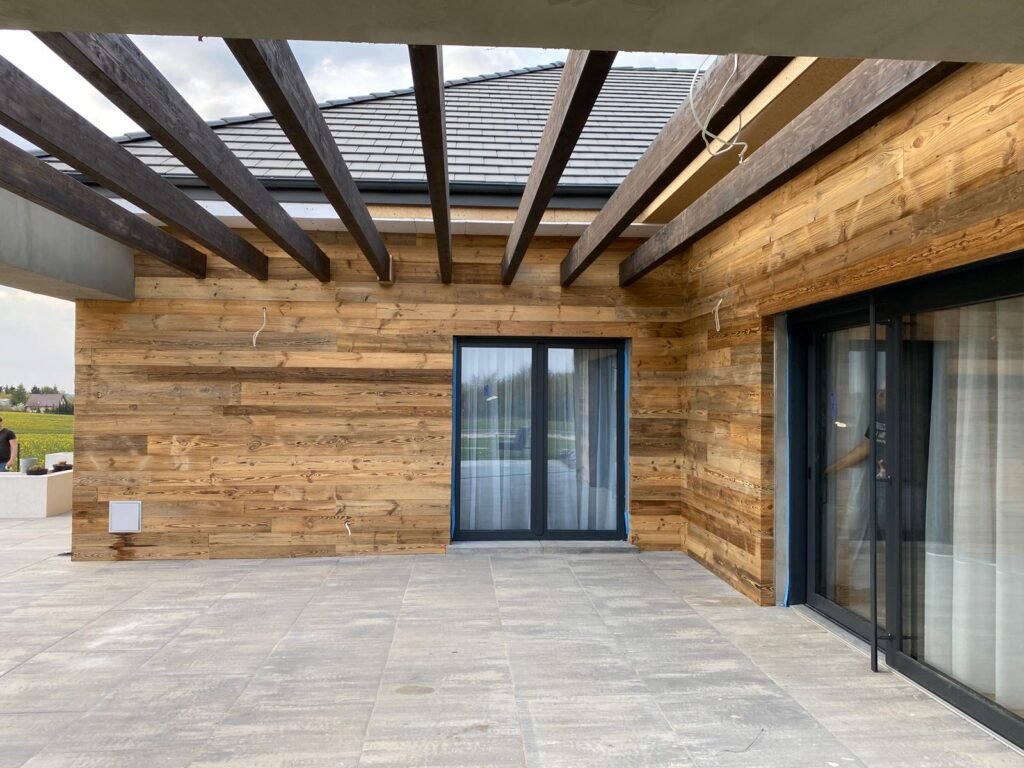
Design trends come and go, but many ways outlive them all, not because they look good right now, but because they’ve proven themselves over centuries. The ancient Japanese art of scorching wood is one of them. Known as Yakisugi, or further commonly known as shou sugi ban. This preservation system burns the face of timber to produce a hardened, scorched substrate that naturally resists humidity, insects, and UV damage. Japan has trusted it hundreds of times, and a sticky, demanding climate like Japan’s isn’t forgiving of weak accoutrements.
Shou Sugi Ban fencing takes this tradition and puts it to work outside, delivering a distinctive finish with real functional staying power. Whether it’s a domestic backyard or a marketable property. The result is a hedge that ages gracefully and asks veritably little in return. But the species of wood you choose to char makes a bigger difference than most people anticipate
So let’s look honestly at shou sugi ban accoya versus traditionally charred wood and help you figure out which one is actually right for your project.
The knowledge of the Shou Sugi Ban Technique.
Shou Sugi Ban fencing is a technique that started many centuries ago in Japan. The outside of cedar boards would be slowly burnt by craftsmen until an area of blackness appeared. The wood was charred, brushed, and sealed with natural oils.
It was not only the outcome of a particular look. The layer of carbon helped to guard against moisture, insects, and even fire. The process was known over the years to produce beautiful yet weather-resistant cladding and fencing.
The charred Japanese wood is very popular today among homeowners due to its beauty, aside from its high durability as opposed to untreated lumber.
What Makes Charred Wood Fences Popular?
A Charred Wood Fence is distinguished by the dramatic texture and the rich color shades. Instead of fading quickly like many outdoor materials, charred surfaces develop a rich patina over time.
The following are the primary reasons why charred fencing is used:
1. Natural Weather Protection
The fire that burns on the surface of the wood closes the pores of the wood, countering moisture and delaying decay.
2. Pest Resistance
The carbonized surface is not very attractive to termites and other insects.
3. Distinctive Appearance
Architectural element. The black rough finish is also textured and is used well in both modern and rustic houses.
4. Lower Maintenance
The charred boards do not need as many repairs and coats as the untreated ones.
These are the benefits that make the technique called charred wood shou sugi ban gain more and more popularity in modern landscapes.
Traditional Charred Wood: The Classic Approach
Traditional charred wood is usually made from cedar, cypress, or pine. These woods are burned using the Shou Sugi Ban method to create the protective outer layer.
Benefits of Traditional Charred Wood:
- Authentic appearance with strong texture
- Relatively affordable compared with engineered woods
- Natural protection from rot and insects
- Environmentally friendly finishing process
Potential Drawbacks
- Natural wood movement can cause cracking or warping over time
- Durability varies depending on the species used
- Periodic oiling may be required to maintain color
What Is Accoya Wood?
Accoya is a modified wood that’s manufactured by a process known as acetylation. This type of treatment alters the wood at the molecular level and makes it veritably stable and resistant to humidity.
Unlike pressure- treated timber, Accoya doesn’t rely on dangerous chemicals. Rather, the wood filaments are altered to reduce swelling and shrinking.
When the scorching method is used with this sophisticated material, they come up with Shou sugi ban accoya, which is a high- performance material used outside fencing.
Advantages of Shou Sugi Ban Accoya
It is a perfect choice among many architects and builders as it is a blend of old style and modern technology.
Exceptional Durability
Accoya has a lifespan of 40-50 years above ground, and so it is one of the most enduring timber materials in the market.
Dimensional Stability
The acetylation process reduces warping and twisting, which helps keep fence panels straight over time.
Superior Weather Resistance
When charred, the protective carbon layer works together with Accoya’s natural stability, creating a fence that withstands rain, sun, and temperature changes.
Sustainable Material
Accoya is produced from responsibly sourced timber and is considered environmentally friendly.
Because of these qualities, charred wood shou sugi ban made from Accoya is often chosen for high-end residential and commercial projects.
Comparison of Shou Sugi Ban, Accoya, and Traditional Charred Wood.
The decision between the two materials is based on such factors as budget, weather, and design.
1. Longevity
Conventional charred wood walls can have a service life of 20-30 years, depending on the species of wood. The stability of Accoya fences is increased, and thus they can last much longer.
2. Maintenance
Conventional boards might require the occasional application of oil or sealant. The version of Accoya normally needs a lower amount of maintenance since the wood structure is already highly resistant to moisture.
3. Appearance
The two materials form the legendary rough dark texture that is linked to the Shou Sugi Ban technique. Other residential users like the Accoya boards, which have a bit more predictable appearance.
4. Cost
Charcoal that is made from wood is typically cheaper to buy at first. Accoya is a more expensive investment but can usually pay through fewer maintenance and a longer life.
Which Charred Fence Is Best for Your Property?
In case you like the old ways of craftwork and want a natural look at a moderate price, classic charred cedar or cypress fencing may be a good choice. These materials retain the natural appearance and feel that most people appreciate in the traditional charred wood designs.
But when long-term performance is the first priority, Accoya has definite advantages. Its stability, durability, and sustainability ensure that it is suitable in an environment. For property owners who want strong performance while maintaining a well-defined design, collaborating with experienced providers like Bauwn can be a smart choice.
This helps ensure the right materials and finishing techniques are used to deliver reliable, long-term results. Finally, the optimal fence will depend on the duration that you want the structure to be there and how much maintenance you are ready to undertake over time.
Conclusion
Both traditional charred wood and Accoya offer unique benefits when used in Shou Sugi Ban fencing. Traditional cedar or cypress provides an authentic appearance and lower outspoken cost, while Accoya delivers exceptional continuity and minimum conservation.
For homeowners seeking an ultramodern result that still respects traditional craftsmanship, charred wood walls made with high- quality accoutrements can elevate any outdoor space. Brands like Bauwn are helping bring this timeless Japanese fashion into contemporary architecture, offering swish fencing results that combine beauty, strength, and sustainability.
FAQs:-
Is charred wood suitable for outdoor fencing?
Yes. The charring process provides its own form of protection to the timber, and hence the timber is a great material to use on the outside, like fences, siding, and garden structures.
How long does a charred wood hedge last?
Wood and traditional charred fences can last 20-30 years under normal maintenance, whereas Accoya can last as long as 50 years.
Does charred wood require maintenance?
Maintenance is minimal. Occasional oiling can help maintain color and texture, but the charred surface already offers natural protection.
Is Accaya superior to the conventional cedar in Shou Sugi Ban?
Accoya is more stable and durable, hence applicable in long-term installation, though cedar is a classic and very economical.