
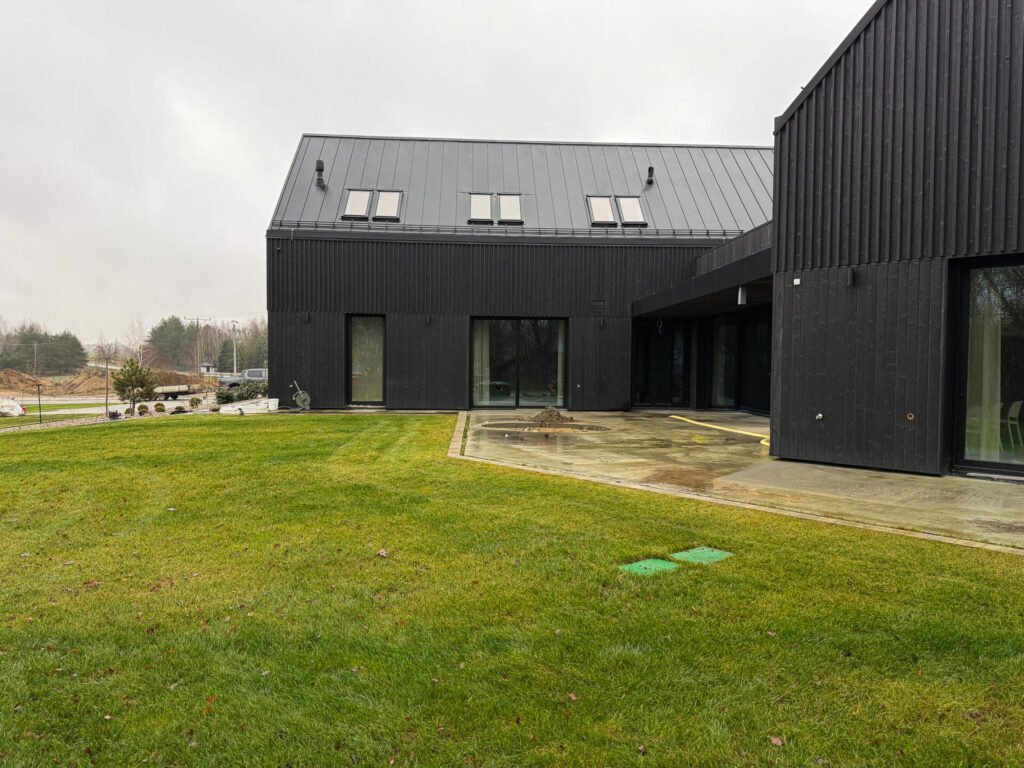
Architecture has always existed as an art form that extends beyond its construction of walls and roofs. The buildings we use as our living and working spaces determine our emotional experiences throughout each day. A home that combines aesthetic appeal with long-lasting strength produces a powerful feeling of safety and home. Architects and designers now seek building materials that provide both outstanding visual appeal and sustained performance over multiple decades.
Shou sugi ban accoya achieves the optimal balance between its two material components. The system creates an effective building solution through its combination of traditional Japanese wood-burning methods and modern engineered timber technologies. The design creates a façade that presents a timeless appearance while exhibiting strong visual impact and an organic connection to the natural environment.
This approach has become an essential part of contemporary architectural design, which extends throughout Europe and other regions of the globe. We at Bauwn are working to bring this craft into modern times by combining traditional skills with contemporary wood technology to develop building materials that exhibit both aesthetic appeal and future durability.
A Craft That Began Centuries Ago
The story begins in Japan, where builders developed a unique method to protect timber from harsh weather. The method that builders used to protect wooden boards from weather damage required them to burn the surface of the boards through controlled fire techniques. The fire created a protective carbon layer, which strengthened the wood by making it better at resisting moisture, insect attacks and decay.
The burned surface created an unforgettable visual appearance. The combination of deep textures and dark tones transformed standard boards into striking architectural elements. Shou Sugi Ban cladding created homes that emitted both strength and peacefulness while harmonizing with their forest, mountain, and coastal environments.
What started as a functional method developed into a prominent design practice. The method nowadays receives recognition because it creates strong emotional experiences while also providing long-lasting results.
What Makes Accoya Different
While traditional charred wood typically uses cedar or cypress, modern construction often requires materials that can handle greater environmental stress and structural demands. This is where Accoya wood enters the picture.
The creation of Accoya wood begins with the process of acetylation. The process adjusts wood molecular structures, which results in enhanced stability and improved moisture protection. The material functions without toxic substances because it does not need chemicals that pressure-treated timber requires. The wood material receives structural improvements that decrease its tendency to expand and contract and warp.
When the material is finished to its highest degree, a beautiful change begins to take place: Accoya shou sugi ban illustrates an intersection between ancient craftsmanship and modern technology.
For architects seeking materials that are both beautiful and dependable, this pairing offers something truly special.
Strength Meets Beauty
The most impressive characteristic of charred wood materializes through its capacity to change a building’s visual appearance. The surface of black charred wood develops complex textures that change with light and shadow throughout the day.
The sunlight in the morning shows fine-grained patterns that exist underneath the burned surface. The darker shades after sunset create a big visual difference, which affects glass and stone, and steel materials.
The visual depth of Shou Sugi Ban cladding explains its current popularity as a building material for modern architectural designs. The architectural style creates a strong identity for buildings that do not require excessive decorative elements.
Minimalist designs benefit greatly from this approach. Clean lines paired with textured timber surfaces create structures that feel modern while still grounded in nature.
Exceptional Durability for Modern Buildings
The value of a beautiful facade decreases when it fails to withstand weather conditions for many years. The exterior cladding needs to protect against rain and sunlight, wind, and temperature changes without needing ongoing maintenance.
This is where Shou Sugai Ban Accoya stands out.
People recognize Accoya wood because it has an exceptional capacity to retain its original shape. The acetylation process decreases wood moisture absorption, which results in reduced wood expansion and contraction compared to standard timber. The stability of the material prevents cracking, twisting, and warping from occurring throughout its service life.
When combined with the protective carbon layer created through charring, the result is a surface that performs remarkably well in outdoor environments.
Architects use this material for building projects that take place in coastal areas and forested regions and urban environments that experience unpredictable weather patterns. The combination of engineering and traditional design elements guarantees both extended operational life and maintenance of visual appearance.
The Emotional Power of Natural Materials
One reason wood continues to inspire architects is its emotional impact. Unlike synthetic building materials, timber carries warmth and authenticity.
The dark surface of black charred wood tells a story of transformation. Fire, which is often associated with destruction, becomes a tool for protection and beauty. The result is a material that feels both raw and refined.
Homeowners frequently describe a sense of calm when surrounded by natural textures. The grain patterns, subtle scent of wood, and organic imperfections create an atmosphere that cannot be replicated with artificial materials.
This connection to nature is a key reason many architects now prefer charred wood façades over purely industrial finishes.
Bauwn recognizes that architectural design extends beyond its function as a structural element. The design of a building affects the emotional responses of people who approach it, inhabit it, and use it throughout their daily lives.
Sustainability and Responsible Design
Modern construction must consider environmental responsibility. Many traditional building materials rely heavily on chemical treatments and energy-intensive manufacturing processes.
Charred wood offers a more natural alternative.
The charring process itself establishes its need for synthetic preservatives. Fire produces a protective shield that protects the material. The method achieves multiple environmental benefits when used together with timber from certified sustainable sources.
Sustainable construction projects benefit from Accoya material. The wood product comes from forests that have received certification for responsible management, and its modification process extends its useful life. The product maintains its functionality for extended periods, which reduces the need for replacements and cuts down on resource usage throughout its life cycle.
Architects dedicated to sustainable design find shou sugi ban accoya to be an appealing option because it achieves environmental sustainability through its extended durability.
Bauwn establishes architectural practices that protect nature while fulfilling contemporary design requirements through their process of choosing materials and crafting products.
A Material Designed for the Future
Modern buildings today use basic design elements as their main architectural style. The majority of contemporary architectural designs use large glass windows together with smooth concrete walls and steel building components. The materials used in construction create spaces that have a cold and unwelcoming atmosphere.
Wood offers the perfect contrast.
When charred timber panels are integrated into modern façades, they soften the visual impact of industrial materials. The building begins to feel more welcoming and organic.
Architects frequently use charred wood cladding to:
- Highlight building entrances
- frame windows and terraces
- create dramatic feature walls
- blend structures into natural landscapes
The rich texture of charred timber ensures that even the simplest design gains visual depth and character.
For this reason, many architects now see shou sugi ban accoya not just as a trend, but as a long-term solution for contemporary building design.
With the support of companies like Bauwn, this traditional Japanese technique is evolving into a material that meets the performance and aesthetic demands of modern architecture.
Craftsmanship Still Matters
- Although advanced technology has improved wood processing, the success of charred timber still depends on skilled craftsmanship.
- The charring process must be carefully controlled. Too much heat can damage the structure of the wood, while too little may fail to create a strong protective layer.
- After burning, the surface needs brushing to remove loose carbon and to show the underlying grain. Natural oils are used in certain situations to improve durability, while we use them to make colors more intense.
- This careful balance between fire and precision transforms simple timber boards into architectural materials with remarkable strength and character.
- By combining modern production techniques with traditional knowledge, Bauwn helps preserve this craft while adapting it for contemporary construction.
The Growing Popularity of Charred Timber Architecture
Charred wood façades have become a common architectural element in residential buildings, hotels, office spaces, and public structures throughout Europe, North America, and Asia. Architects are drawn to the material because it offers something rare: a blend of cultural heritage and modern performance.
Charred timber shows permanent visual design patterns that improve with time because it does not follow temporary design trends. The building materials develop a natural patina through the gradual effects of weather and sunlight, which brings new aesthetic value to the structure each passing year.
This sense of aging gracefully is something many modern materials struggle to achieve.
For homeowners and developers seeking both durability and emotional appeal, shou sugi ban Accoya offers a compelling solution.
Conclusion
The field of architecture will depend on materials that can achieve three objectives, which are aesthetic appeal, durable performance, and ecological sustainability. Shou sugi ban accoya materials provide the most effective solution for this requirement because they achieve an optimal balance between their three required components.
Architects obtain a sustainable building material through the combination of traditional Japanese wood charring methods and modern Accoya timber stability.
The modern building design uses this technique to create authentic architectural elements, which begin with the rough textures found on black charred wood and lead to the fire-created natural protective features.
The Shou Sugi Ban tradition is currently evolving into a new architectural design approach because experienced companies such as Bauwn develop and provide exceptional charred timber products.
Frequently Asked Questions
What is Shou Sugi Ban Accoya?
Shou Sugi Ban Accoya is wood that has been modified through acetylation and then charred using the traditional Japanese Yakisugi technique. The process enhances durability while creating a distinctive blackened appearance.
Is Shou Sugi Ban cladding suitable for exterior use?
Yes. The charring process creates a protective carbon layer that helps resist moisture, insects, and UV exposure, making it highly suitable for exterior cladding.
How long does charred Accoya wood last?
Accoya wood can last 40–50 years above ground. When combined with the Shou Sugi Ban technique, the lifespan and durability can be even greater.
Does charred wood require a lot of maintenance?
Maintenance is generally minimal. The charred surface naturally protects the timber, though occasional cleaning or oiling may help maintain its appearance.
Is Shou Sugi Ban environmentally friendly?
Yes. The technique relies on fire rather than chemical preservatives, and when paired with responsibly sourced timber like Accoya, it supports sustainable construction practices.