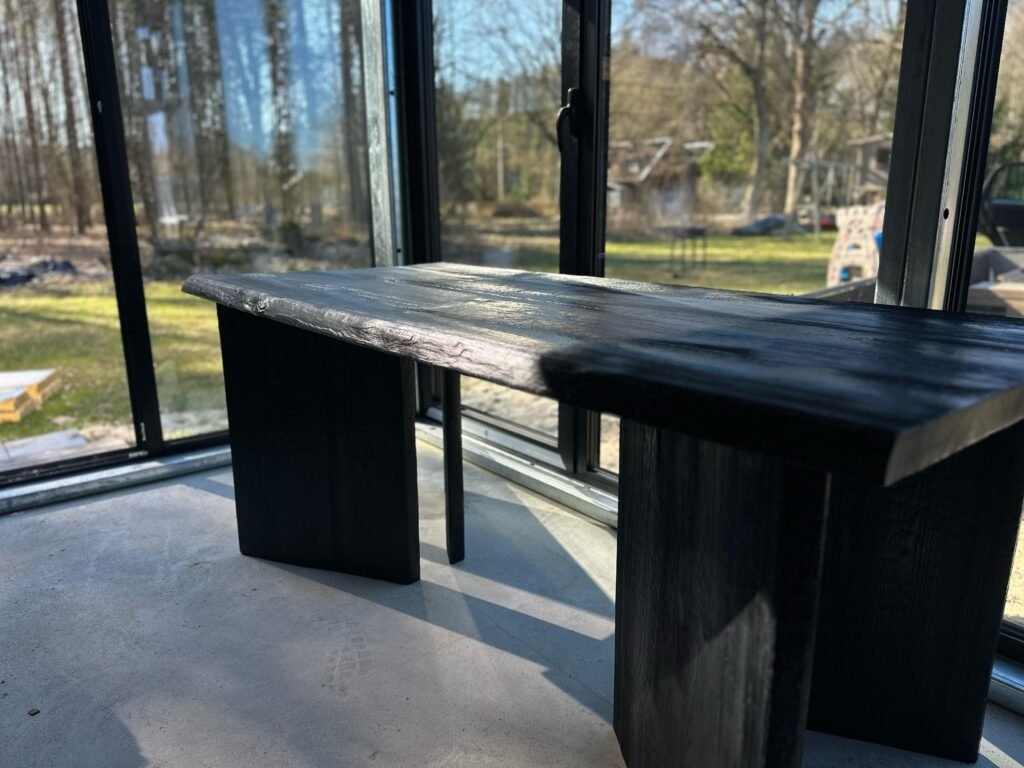
Wood has always carried a certain emotion with it. It feels warm under your hands, ages with character, and connects a space to nature in a way no synthetic material can. But if you’ve ever worked with timber—whether for a home, a facade, or a simple outdoor deck—you already know its flaws. Warping, swelling, cracking, rot… the list is long.
This is where accoya wood enters the conversation—not as just another option, but as a material that quietly redefines expectations.
Let’s explore what makes it different, and why more designers, architects, and homeowners are choosing it over traditional timber.
A New Chapter for Wood
At first glance, it looks like any other finely cut timber. Smooth grain, clean finish, natural appeal. But the story of accoya wood begins deep within a scientific process that transforms ordinary wood into something far more stable and long-lasting.
Through a process called acetylation, the structure of the wood is modified at a cellular level. What does that mean in simple terms? The wood becomes far less reactive to moisture. It doesn’t swell in the rain or shrink in the heat the way traditional timber does.
And that changes everything.
Why Traditional Timber Falls Short
Before understanding why this material stands out, it helps to remember the problems we’ve accepted for years:
- Doors that stop closing properly during monsoon
- Decking that cracks after a few summers
- Exterior cladding that fades unevenly
- Constant maintenance cycles—sanding, sealing, repainting
These aren’t rare issues. They’re expected.
Traditional timber, no matter how premium, still reacts to the environment. Moisture is its biggest enemy. Over time, even the best hardwood begins to lose its strength and shape.
So the real question becomes: what if wood didn’t behave like that anymore?
Built to Resist the Elements
One of the most striking qualities of this material is its stability. It stays straight. It holds its shape. It resists movement even in extreme weather conditions.
Whether it’s heavy rainfall, coastal humidity, or dry heat, it performs with consistency. This is why it’s often used in places where regular timber simply can’t keep up—outdoor facades, window frames, decking, and architectural cladding.
And when wood stops fighting the environment, it starts lasting much longer.
A Material That Ages Gracefully
There’s something deeply satisfying about materials that don’t just last—but age well.
Instead of deteriorating, this wood develops a refined, natural patina over time. If left untreated, it slowly transitions into a soft silver-grey tone, giving buildings a timeless, almost poetic character.
For those who prefer darker, more dramatic finishes, techniques like shou sugi ban accoya bring an entirely different personality to the surface. The traditional Japanese method of charring wood not only enhances durability but creates a bold, textured aesthetic that feels both modern and deeply rooted in craftsmanship.
Where Design Meets Performance
The beauty of this material is not just in how it looks—but in how reliably it performs.
Architects and designers are increasingly choosing it because it offers creative freedom without compromise. You don’t have to design around the limitations of wood anymore. You can think bigger, cleaner, and more precisely.
From sharp-edged facades to intricate outdoor installations, the material supports design ideas that would otherwise be risky with conventional timber.
And when paired with treatments like charred accoya cladding, the result is something visually striking yet incredibly durable—perfect for projects that demand both character and resilience.
Sustainability That Feels Real
In today’s world, sustainability is often reduced to a marketing word. But here, it’s something tangible.
The wood is sourced from fast-growing, responsibly managed forests. The modification process itself is non-toxic, and the final product is fully recyclable.
What’s important is not just that it’s eco-friendly, but that it actually lasts longer. Because true sustainability isn’t about replacing materials more often. It’s about choosing something that stays.
Less Maintenance, More Living
Think about how much time and effort go into maintaining traditional wood. Polishing, sealing, repainting—it becomes a routine.
Now imagine reducing that effort significantly.
Because the material resists moisture and decay, coatings last longer. Paint doesn’t peel as easily. Surfaces don’t crack under pressure.
This means fewer repairs, fewer replacements, and more time simply enjoying the space you’ve created.
A Choice That Feels Personal
Every home tells a story. Every surface reflects a decision.
Choosing the right material isn’t just about durability or cost, it’s about how it makes you feel over time. Does it hold up to your expectations? Does it still look the way you imagined it years later?
For many, the shift toward this advanced timber isn’t just practical, it’s emotional. It’s about building something that lasts, something that doesn’t disappoint quietly over time.
That’s where brands like Bauwn come into the picture, helping bridge the gap between design ambition and material reliability. With a focus on refined finishes and thoughtful applications, Bauwn brings a sense of intention to how wood is used in modern spaces.
The Rising Appeal of Burnt Wood Finishes
There’s a growing appreciation for textures that feel raw yet refined. Burnt wood finishes have become a favorite among designers looking to create depth and contrast.
Using techniques like shou sugi ban accoya, the surface develops a rich, dark tone with a subtle grain that feels alive. It’s not just about appearance—the charring process also adds an extra layer of protection against weather and insects.
Similarly, charred accoya cladding offers a bold architectural statement. It works beautifully for exteriors, especially when paired with minimalistic designs, concrete elements, or large glass panels.
These finishes don’t just decorate a space—they define it.
Where It Works Best
This material fits seamlessly into a wide range of applications:
- Exterior cladding and facades
- Window and door frames
- Decking and outdoor flooring
- Pergolas and garden structures
- Interior accent walls
Its versatility makes it a favorite for both residential and commercial projects.
And when handled with the right craftsmanship—like the approach taken by Bauwn—it transforms from a building material into a design feature.
The Real Difference
At its core, the difference isn’t just technical—it’s experiential.
Traditional timber demands attention. It asks for maintenance. It reacts, shifts, and sometimes fails when conditions aren’t ideal.
This material, on the other hand, feels dependable. Quietly strong. Predictable in the best possible way.
It allows you to focus on design, on living, on enjoying the space—without constantly worrying about what might go wrong.
FAQs
1. What exactly is Accoya wood made from?
It is derived from sustainably sourced softwood that undergoes a modification process to improve durability, stability, and resistance to moisture.
2. Is it suitable for outdoor use?
Yes, it performs exceptionally well outdoors due to its resistance to weather, rot, and insects.
3. How long does it last compared to traditional timber?
It can last significantly longer—often decades—without the same level of maintenance required by regular wood.
4. What is shou sugi ban accoya?
It’s a charred wood finish created using a traditional Japanese technique that enhances both durability and visual appeal.
5. Does charred accoya cladding require maintenance?
It requires minimal upkeep compared to standard wood cladding, as the charring process adds an extra layer of protection.
6. Is it an eco-friendly option?
Yes, it is sourced responsibly and designed to last longer, making it a sustainable choice for modern construction.