
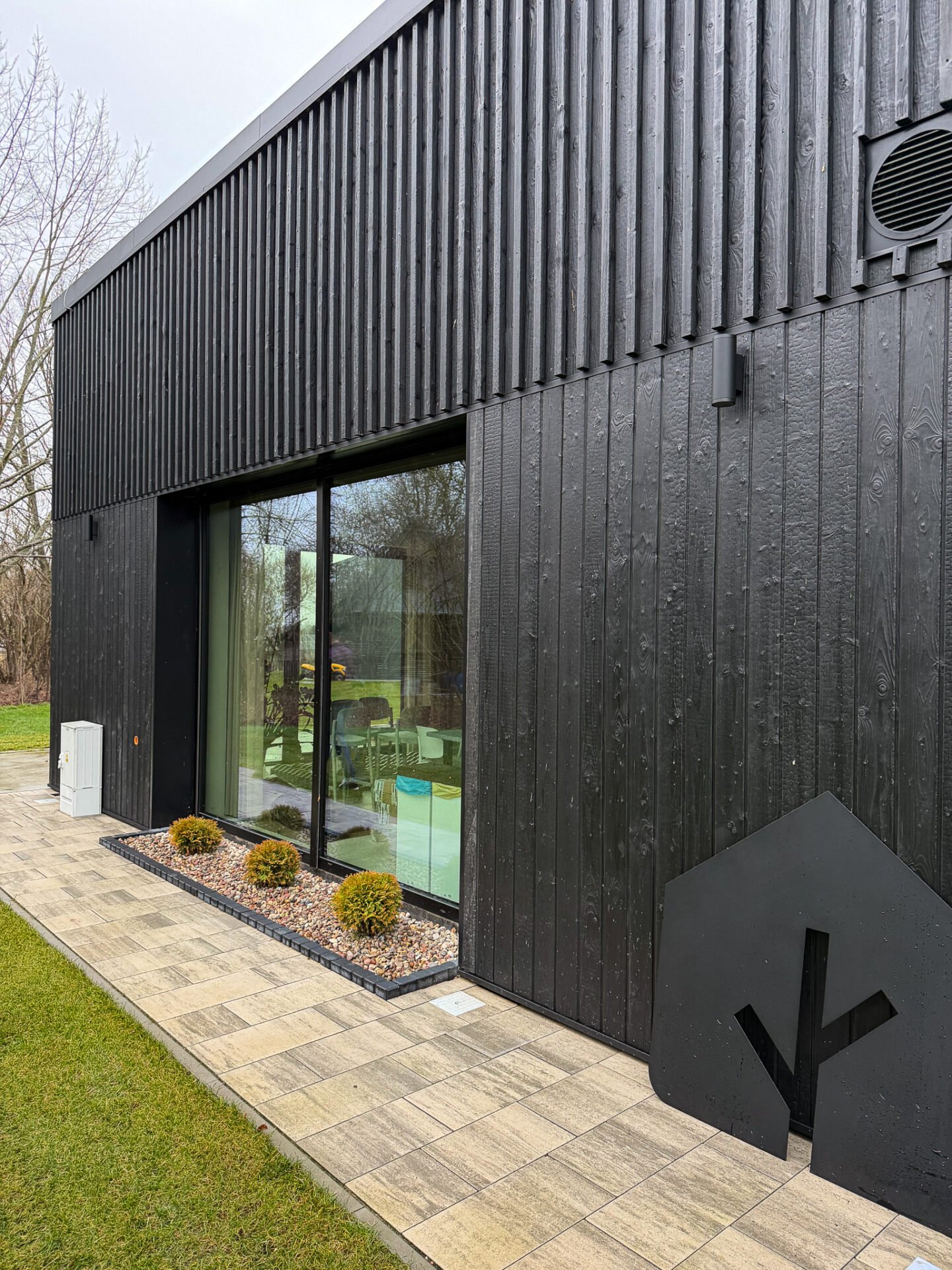
Modern exterior design has moved far beyond simple fencing solutions. Homeowners and architects now expect outdoor boundaries to contribute to the overall architectural identity of a property instead of functioning as plain separators. Materials, textures, and finishes have been chosen to provide continuity between the house, landscaping, and outdoor structures.
This shift has increased the demand for Shou Sugi Ban fencing in modern residential projects. Charred timber fencing adds depth and sophistication that standard painted surfaces often struggle to achieve. Rather than being flat or too ornamental, the material forms a harmonious and sophisticated outer look that fits both modern and natural environments.
In this article, you can see how Shou Sugi Ban fencing transforms ordinary exterior boundaries into architectural features.
Why Modern Homes Are Moving Away From Standard Fencing
The choice of traditional fencing materials was mainly based on privacy and security. Though those functions are still significant, modern architecture now considers fencing a continuation of the house itself. When used in large exterior spaces, flat rendered walls, painted timber panels, and metal screens can often feel aesthetically repetitive. Modern houses have the advantage of materials that add natural texture and slight variation.
This explains the increasing preference for Japanese charred timber cladding and burnt timber fencing systems by architects on high-end residential development projects. The textured surface responds naturally to changing light throughout the day, and this movement and visual depth occur throughout the day.
Unlike synthetic finishes, charred timber is not covered, leaving its grain and organic nature. This produces a lighter and more architectural appearance, which is harmonious with the landscape rather than in conflict with it.
The Visual Impact of Charred Timber Surfaces
Modern exterior spaces rely heavily on contrast. Dark timber finishes help create cleaner lines and stronger visual definition around a property.
Materials such as stone, concrete, and glass often appear sharper when paired with textured black timber surfaces. This balance allows exterior spaces to feel more cohesive without relying on excessive ornamentation.
One reason charred wood cladding has become increasingly popular is that it combines minimalism with warmth. The surface feels refined while still maintaining a natural appearance.
Charred timber surfaces also help:
- Reduce visual flatness on large exterior walls
- Add depth without heavy decorative details
- Improve contrast with greenery and landscaping
- Create a more premium architectural appearance
- Support long-term exterior consistency
Why Black Timber Works So Well in Contemporary Design
Dark exterior surfaces continue to shape modern residential architecture, but texture is what gives them a truly premium appearance. Black painted panels can sometimes appear flat or artificial when they are in direct sunlight. Comparatively, the timber surfaces with textures do not lose their natural variation, and the material can feel more natural and visually rich.
This is among the reasons why blackened wood siding has become a favourite among architects who design minimalist homes. The finish delivers bold contrast while maintaining warmth and natural texture. Instead of drawing attention through excessive detailing, blackened timber creates confidence through simplicity. It gives modern homes a cleaner and more timeless appearance that remains visually appealing as the property ages.
Durability and Long-Term Exterior Performance
Exterior materials are now expected to perform well for many years and retain their appearance. Homeowners increasingly prefer surfaces that age naturally as opposed to surfaces that need constant repainting.
Japanese charred timber cladding offers long-term value. The conventional charring process makes the timber surface stronger and forms a protective outer layer. It works well in varied weather conditions. In contrast to painted finishes, which may peel or fade unevenly, charred timber can often form character over time and still retain its architectural value.
Another growing preference in premium exterior design is charred Accoya cladding.Accoya timber is a high-performance exterior material that is both dimensionally stable and resistant to decay when combined with the charred finish. It creates a high-performance exterior material, which is suitable for modern residential architecture. Experts at Bauwn: timber systems are designed focusing on both the outlook and the structural quality, as well as the exterior durability.
Creating Cohesive Outdoor Spaces
The modern homes have now greatly emphasised the continuity of materials in the outdoor environment. To construct an integrated visual environment, architects are progressively incorporating fencing, cladding, decking, and landscape structures with the same finish. A well-planned timber fence can make the outdoor areas feel more purposeful and architecturally finished. Instead of standing apart from the home, the fencing becomes part of the overall design language.
This is one reason charred wood cladding continues to gain popularity across modern projects. The material performs well in various applications and has a stable visual identity. Timber systems with natural texture are also used to warm and make the appearance of concrete, steel, and large glass surfaces more welcoming to modern homes.
Why Architects Continue Choosing Charred Timber
The exterior material that is chosen by architects is often based on how it will look over time. Surfaces that seem too trendy or artificial can very easily turn unappealing. The use of charred timber is still pertinent as it balances the simplicity, texture, and durability of the timber without overwhelming the architecture itself. The modern fencing systems are now more anticipated to make contributions to the following:
- Architectural continuity
- Exterior contrast
- Natural texture variation
- Long-term material performance
- Strong landscape integration
At Bauwn, these principles shape the development of exterior timber solutions that support both modern architectural styles and long-lasting outdoor design.
Conclusion
The exterior architecture of the modern era is based on the use of materials that produce depth, contrast, and continuity without needless complexity. Charred timber surfaces achieve this without effort through the use of texture, warmth, and a mature aesthetic appearance.
With the increased number of homeowners shifting to timeless, low-maintenance exterior materials, Shou Sugi Ban fencing remains a contemporary option to conventional boundaries. Bauwn provides architectural timber solutions that have the capability to integrate durability, natural feel, and modern design into contemporary residential projects.
For expert guidance on premium charred timber solutions and modern exterior design, contact Bauwn today to explore customised Shou Sugi Ban fencing and architectural timber systems for your project.
FAQs
How does Shou Sugi Ban fencing improve modern exterior design?
Shou Sugi Ban fencing provides texture, depth, and visual contrast that is sometimes lacking in plain painted fencing. Its black, burnt finish helps the modern houses to feel more upscale and helps to establish a better harmony between the architecture, landscaping, and outdoor spaces.
Is Japanese charred timber cladding suitable for different weather conditions?
Yes. Japanese charred timber cladding, which is properly treated, does well in transforming outdoor conditions. This charring process assists in protecting the timber surface and helps to improve the durability, which is suitable for modern residential exteriors.
Why is charred Accoya timber a high-quality exterior material?
Charred Accoya timber is a combination of the stability properties of Accoya wood and the protective properties of the charred surface. This forms an exterior material that is characterised by longevity, minimised movement, and sustained visual consistency in contemporary architectural works.
Why does Bauwn emphasise a textured timber solution to modern homes?
It is an architectural timber system that combines durability with smooth textures of surfaces. The idea is to assist homeowners and designers in developing exterior spaces that are perceived to be cohesive, contemporary, and have visual balance without necessarily using excessive decorative finishes.