Choosing the right exterior cladding material is one of the most important decisions in any building project. The material must not only look attractive but also withstand years of exposure to weather, temperature changes, and environmental conditions. Among the many timber options available today, larch wood has become one of the most popular choices for architects, builders, and homeowners seeking a balance between beauty, durability, and sustainability.
From contemporary residential homes to large-scale commercial developments, larch timber cladding offers a natural appearance combined with impressive performance. Its rich texture, long lifespan, and resistance to moisture make it a reliable solution for modern architectural projects.
In this guide, we’ll explore why larch continues to be a preferred cladding material and how it can enhance the appearance and value of your property.
What Is Larch Wood?
Larch is a high-density softwood species that grows throughout Europe and parts of Asia. Although classified as a softwood, it possesses many characteristics commonly associated with hardwoods, including strength, durability, and excellent weather resistance.
One of the reasons larch performs so well outdoors is its natural resin content. These resins help protect the timber against moisture penetration, fungal decay, and insect activity. As a result, larch requires fewer treatments than many alternative timber species.
Freshly installed larch typically displays warm golden-brown tones with attractive grain patterns. Over time, exposure to sunlight and weather transforms the timber into a sophisticated silver-grey patina that many architects deliberately seek.
For projects across the Netherlands, larch wood nederlands solutions continue to gain popularity due to their ability to perform in varying weather conditions while maintaining their structural integrity.
Why Architects Prefer Larch Timber Cladding
The growing popularity of larch timber cladding is no coincidence. Modern architecture demands materials that are both visually appealing and highly functional.
Natural Durability
One of the biggest advantages of larch wood is its natural resistance to moisture. Unlike many timber species that require extensive treatment, larch contains protective resins that help prevent rot and decay.
This durability makes it particularly suitable for exterior applications where the timber will be exposed to rain, humidity, and fluctuating temperatures.
Long-Term Performance
When properly installed and maintained, larch timber cladding can provide decades of reliable performance. Its dimensional stability reduces excessive movement caused by changing moisture levels, helping maintain the appearance and structural integrity of the facade.
Distinctive Appearance
Larch offers a natural warmth that synthetic cladding materials often struggle to replicate. Every board has unique grain patterns and textures that create character and depth across the building envelope.
Whether installed vertically or horizontally, larch timber creates a timeless and sophisticated exterior.
Vertical vs Horizontal Larch Cladding
One of the most important design decisions is choosing the orientation of the cladding.
Vertical Installation
Vertical cladding creates strong visual lines that make buildings appear taller and more contemporary. This style is particularly popular in modern residential architecture and commercial developments.
Benefits include:
- Modern architectural appearance
- Enhanced water drainage
- Strong visual impact
- Suitable for contemporary designs
Horizontal Installation
Horizontal cladding provides a more traditional appearance and can make buildings appear wider.
Benefits include:
- Classic aesthetic
- Suitable for traditional architecture
- Creates visual width
- Widely used in residential construction
Both installation methods work exceptionally well with larch and can be selected based on the project’s architectural goals.
Larch vs Cedar Cladding
Architects often compare larch and cedar when selecting exterior timber.
Larch
- Higher density
- Excellent durability
- Strong structural performance
- Competitive pricing
- Distinctive grain patterns
Cedar
- Lightweight
- Naturally insect-resistant
- Smooth texture
- Premium appearance
- Slightly softer than larch
While both are excellent options, many projects favor larch timber cladding because it offers outstanding durability and value.
Larch vs Accoya
Another popular comparison involves Accoya timber.
Larch Wood
- Natural material
- Durable without heavy modification
- Cost-effective solution
- Beautiful natural aging process
Accoya
- Modified timber
- Exceptional dimensional stability
- Premium pricing
- Long lifespan
For many residential and commercial projects, larch provides an excellent balance between performance and affordability.
The Rise of Charred Timber Facades
Contemporary architecture has seen growing interest in charred timber finishes inspired by traditional Japanese techniques.
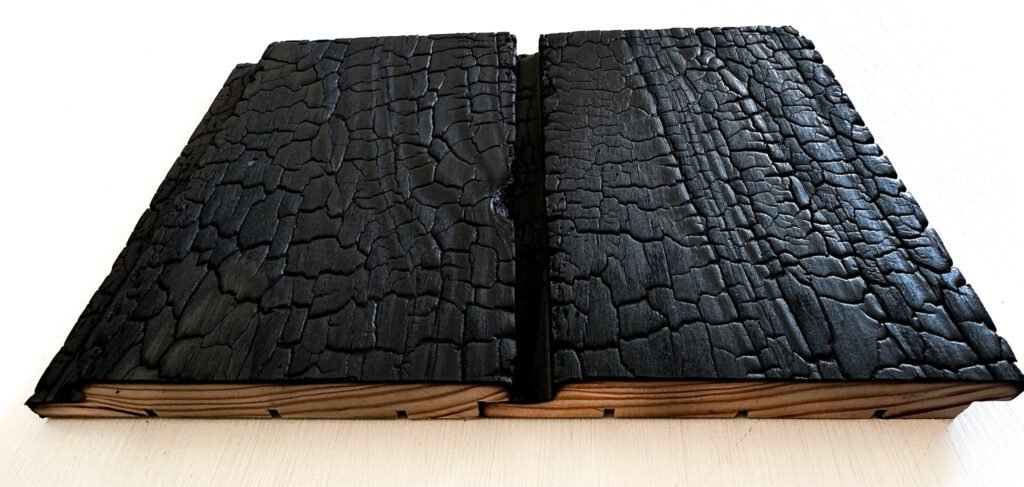
The ancient method known as shou sugi ban involves carefully charring the surface of timber to create a protective carbon layer. This process enhances durability while producing a dramatic and distinctive appearance.
The technique has become increasingly popular in modern architecture because it combines sustainability, craftsmanship, and visual impact.
Many architects now incorporate shou sugi ban finishes into residential and commercial projects to create unique exterior facades.
Burnt Larch Cladding: A Modern Design Statement
One of the most visually striking applications of charred timber is burnt larch cladding.
This finish combines the natural strength of larch with the protective qualities of a charred surface. The result is a sophisticated black facade that complements materials such as glass, steel, and concrete.
Benefits of burnt larch cladding include:
- Enhanced weather resistance
- Increased protection against insects
- Reduced maintenance requirements
- Distinctive architectural appearance
- Long-term durability
As a result, burnt larch cladding has become a favorite choice for premium residential and commercial projects.
Sustainability and Environmental Benefits
Sustainability is a major factor in modern construction decisions.
Larch is considered an environmentally responsible building material because:
- It is renewable
- It stores carbon throughout its lifespan
- It requires less energy to process than many manufactured materials
- It can be sourced from responsibly managed forests
For environmentally conscious property owners, larch wood nederlands products represent a practical way to combine sustainability with high performance.
Maintenance Requirements
Compared to many alternative materials, larch is relatively easy to maintain.
Property owners typically choose between two approaches.
Natural Weathering
Many prefer allowing the timber to age naturally into its characteristic silver-grey finish. This requires minimal maintenance and creates a timeless appearance.
Protective Treatments
Others choose oils or coatings to preserve the timber’s original golden color. Periodic treatment helps slow weathering and maintain a fresh appearance.
Regardless of the chosen approach, regular inspections will help maximize the lifespan of the cladding.
Why Choose Bauwn?
Selecting high-quality timber is only part of creating a successful cladding project. Working with an experienced supplier is equally important.
Bauwn provides premium timber solutions designed to meet the demands of modern architecture. Every product is carefully selected to ensure exceptional durability, visual appeal, and long-term performance.
Whether you’re planning a residential renovation, commercial development, or custom architectural project, Bauwn offers expert guidance and high-quality timber products tailored to your needs.
Ready to Transform Your Project with Larch Timber Cladding?
Choosing the right cladding material can significantly impact the appearance, durability, and long-term value of your property. Whether you’re designing a contemporary home, renovating an existing building, or planning a commercial development, larch timber offers a proven combination of strength, sustainability, and timeless beauty.
At Bauwn, we help architects, contractors, and homeowners find premium timber solutions tailored to their specific project requirements. From natural larch timber cladding to advanced charred timber finishes, our team can guide you through the selection process and help you achieve the perfect exterior design.
Contact Bauwn today to explore our timber cladding solutions and discover how high-quality larch wood can elevate your next architectural project.
Conclusion
For architects, builders, and homeowners seeking a durable and attractive facade solution, larch wood remains one of the best choices available. Its natural resistance to weather, distinctive appearance, and sustainability make it ideal for a wide variety of exterior applications.
From traditional facades to contemporary architectural masterpieces, larch timber cladding offers long-term value and timeless beauty. Whether you choose natural timber or explore modern charred finishes, larch provides a versatile solution capable of enhancing any building project for decades to come.
With expert guidance and premium timber products from Bauwn, creating a beautiful and long-lasting exterior has never been easier. Contact their team today to find the ideal cladding solution for your next project.
Frequently Asked Questions
1. How long does larch timber cladding last?
With proper installation and routine maintenance, larch timber cladding can last 30 to 50 years or more. Its natural durability and resistance to moisture make it one of the most reliable softwood cladding options available.
2. Is larch wood suitable for the Dutch climate?
Yes. Many architects and builders choose larch wood nederlands products because larch performs exceptionally well in wet, windy, and changing weather conditions commonly experienced throughout the Netherlands.
3. Does larch timber cladding require a lot of maintenance?
No. Larch is considered a relatively low-maintenance timber. Property owners can either allow the wood to weather naturally into a silver-grey patina or apply protective treatments to preserve its original color.
4. What is the difference between larch and cedar cladding?
Larch is generally denser and stronger than cedar, making it highly durable for exterior applications. Cedar is lighter and naturally resistant to insects, while larch often provides a better balance between performance, longevity, and value.
5. Can larch timber be used for Shou Sugi Ban finishes?
Yes. Larch is an excellent choice for shou sugi ban treatments. The charring process enhances weather resistance while creating a unique textured finish that is highly sought after in modern architecture.
6. What are the benefits of burnt larch cladding?
Burnt larch cladding offers enhanced protection against weather, insects, and moisture while creating a bold, contemporary appearance. It is a popular choice for modern residential and commercial projects.
7. Why should I choose Bauwn for timber cladding solutions?
Bauwn provides carefully selected timber products that combine sustainability, durability, and architectural appeal. Their expertise helps homeowners, architects, and builders find the perfect cladding solution for every project.