The Enduring Beauty of Charred Wood Cladding: Where Fire Meets Architecture
By BAUWN·12 March 2026·5 min read
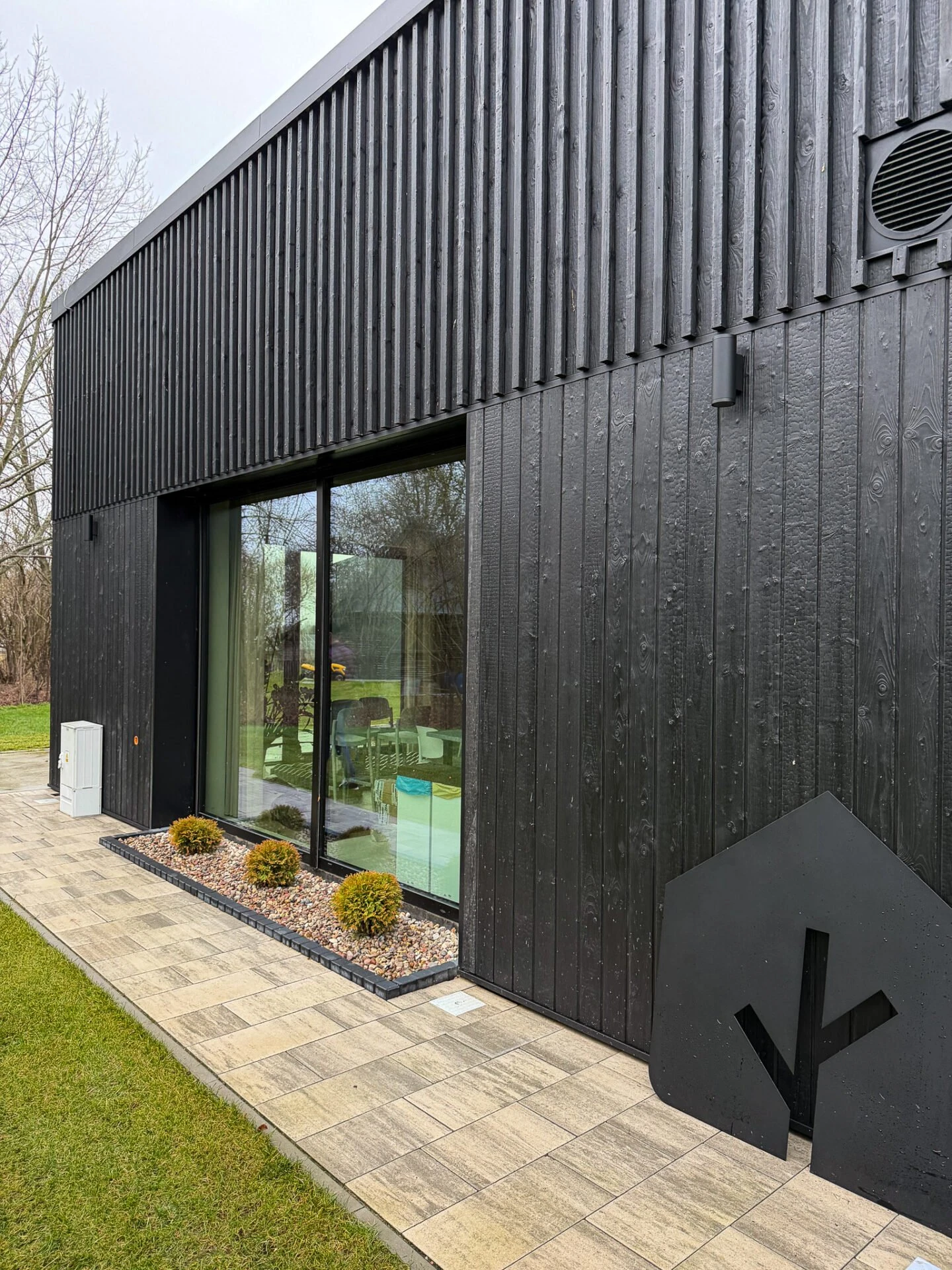
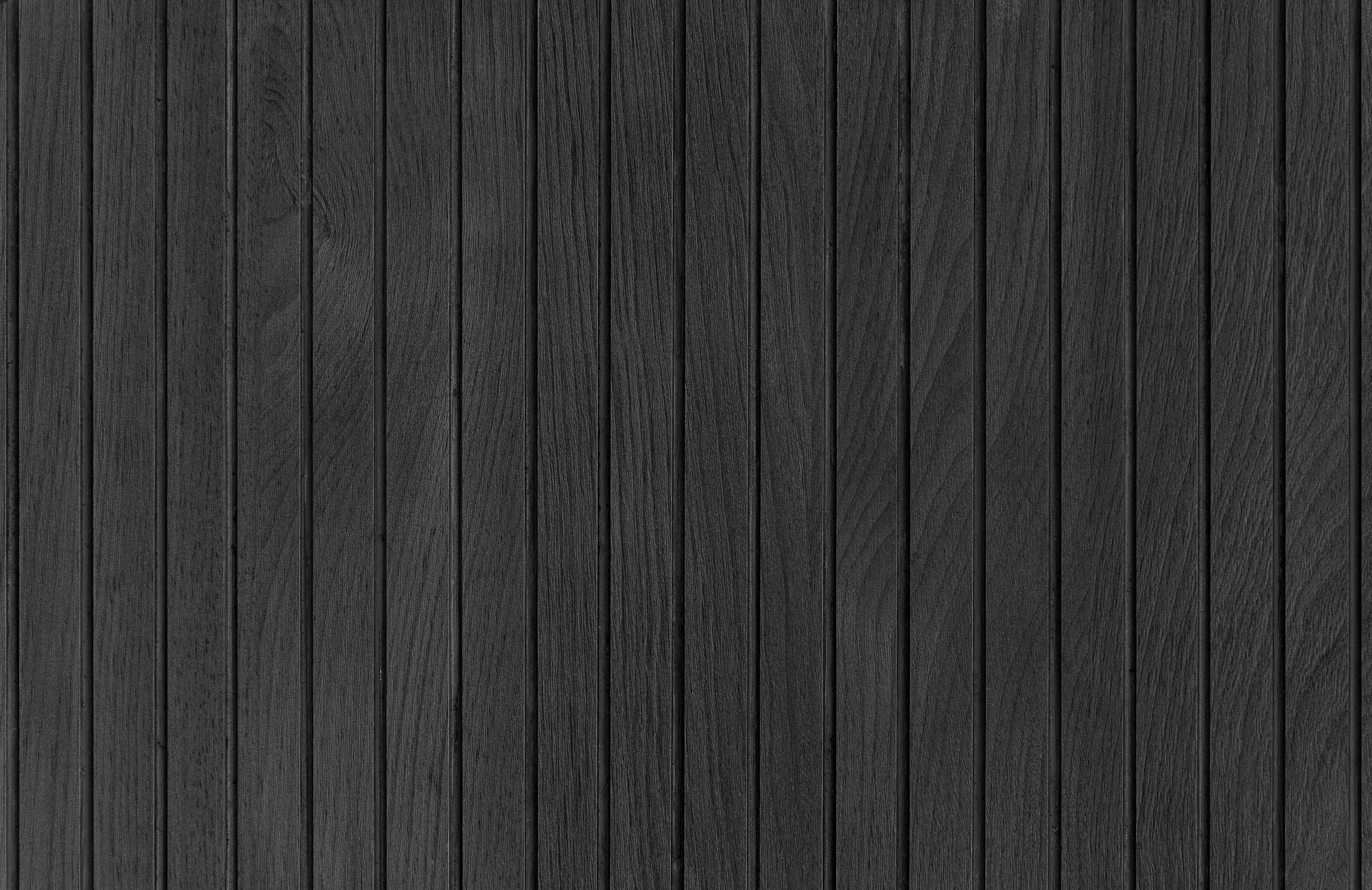
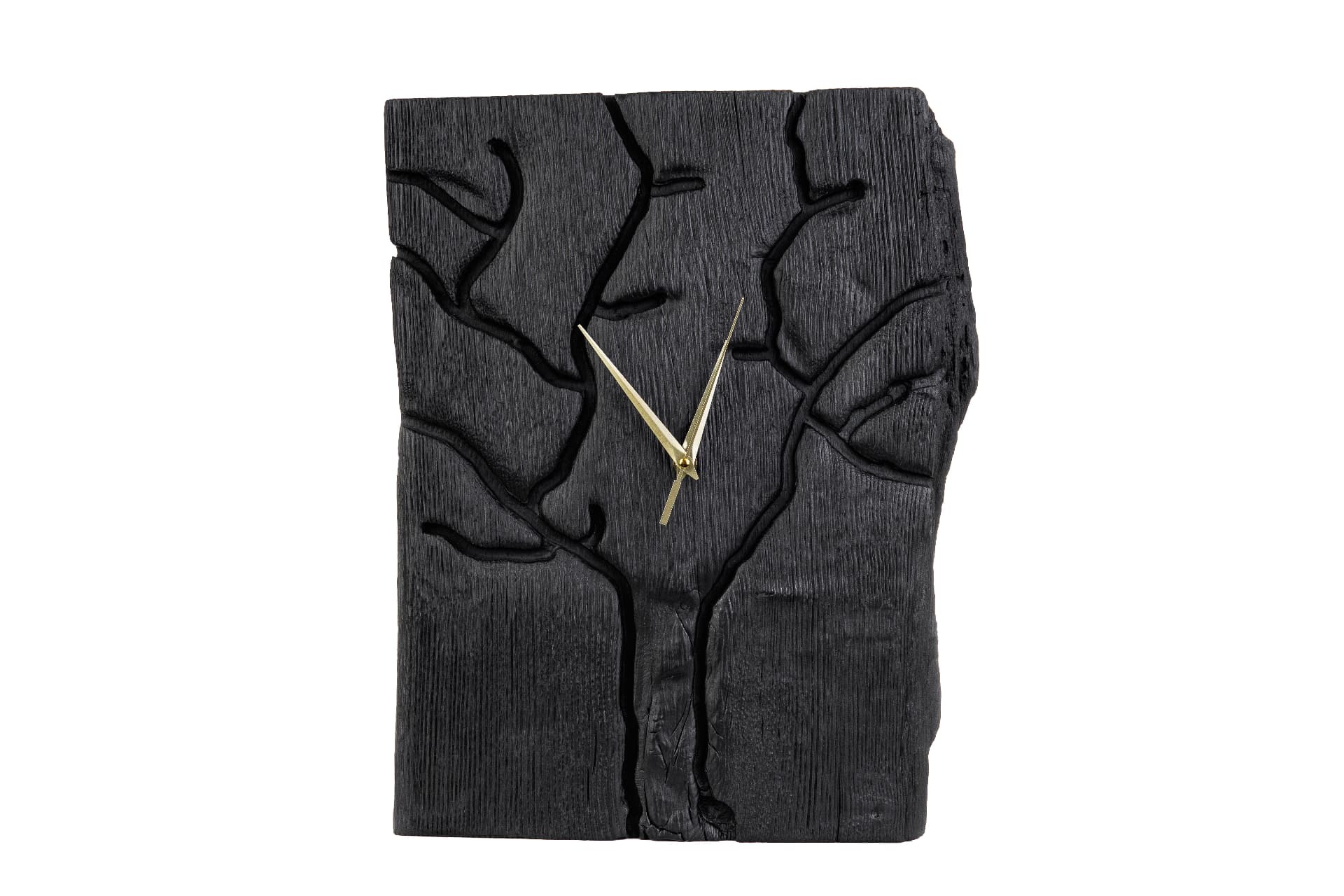
Across many cultures and long centuries, wood shaped human life. It sheltered families, framed doors, and carried forest scents home. Today, this tradition returns through bold charred wood cladding. Deep black tones and strong grain patterns define it. This ancient method now holds a strong place in modern design.
At Bauwn, the idea is clear and focused. They mix old craftsmanship with new architectural thinking. The result is wood solutions that completely transform buildings. These structures feel strong, expressive, and made to last.
The Ancient Origins of Charred Timber
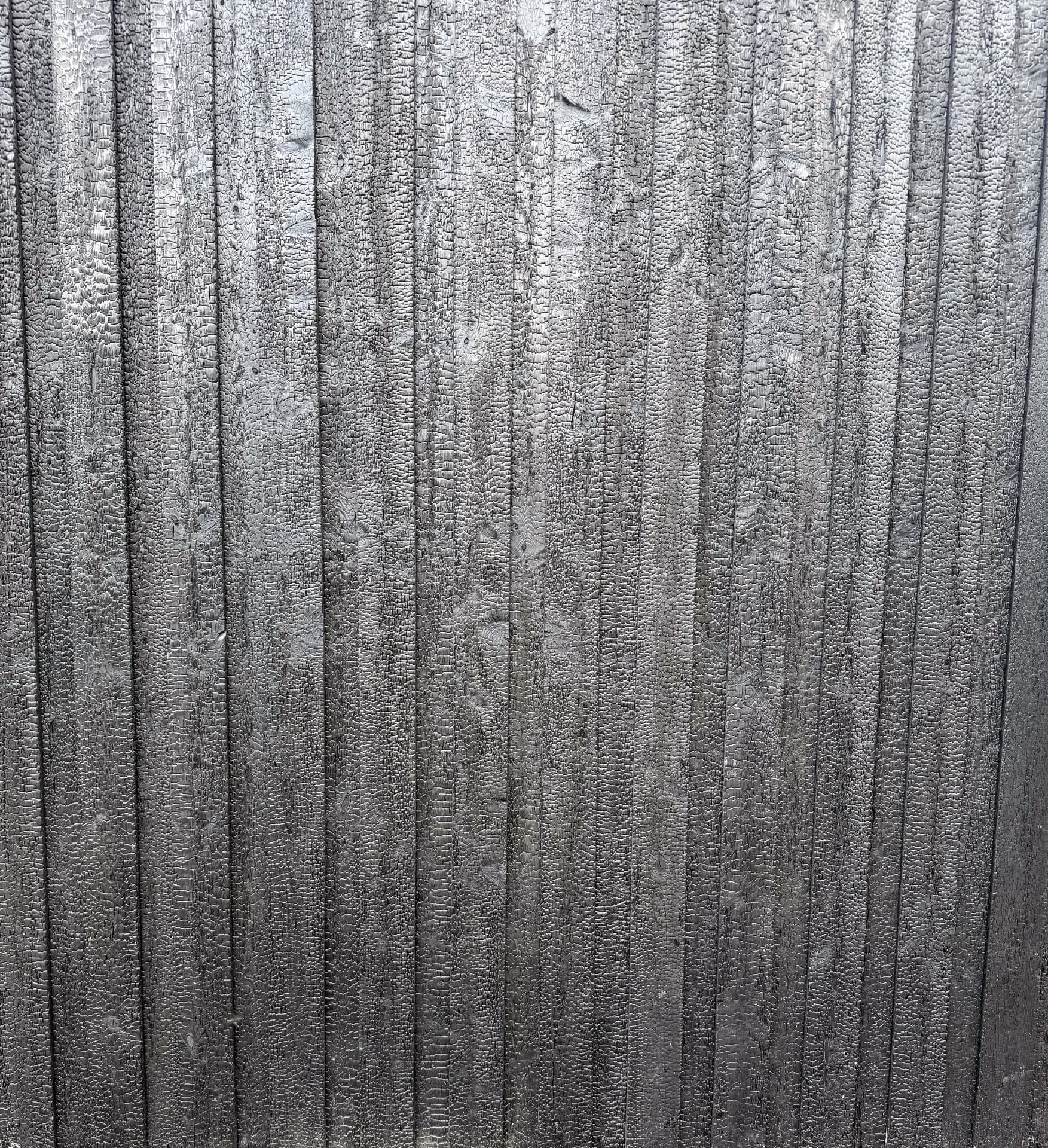
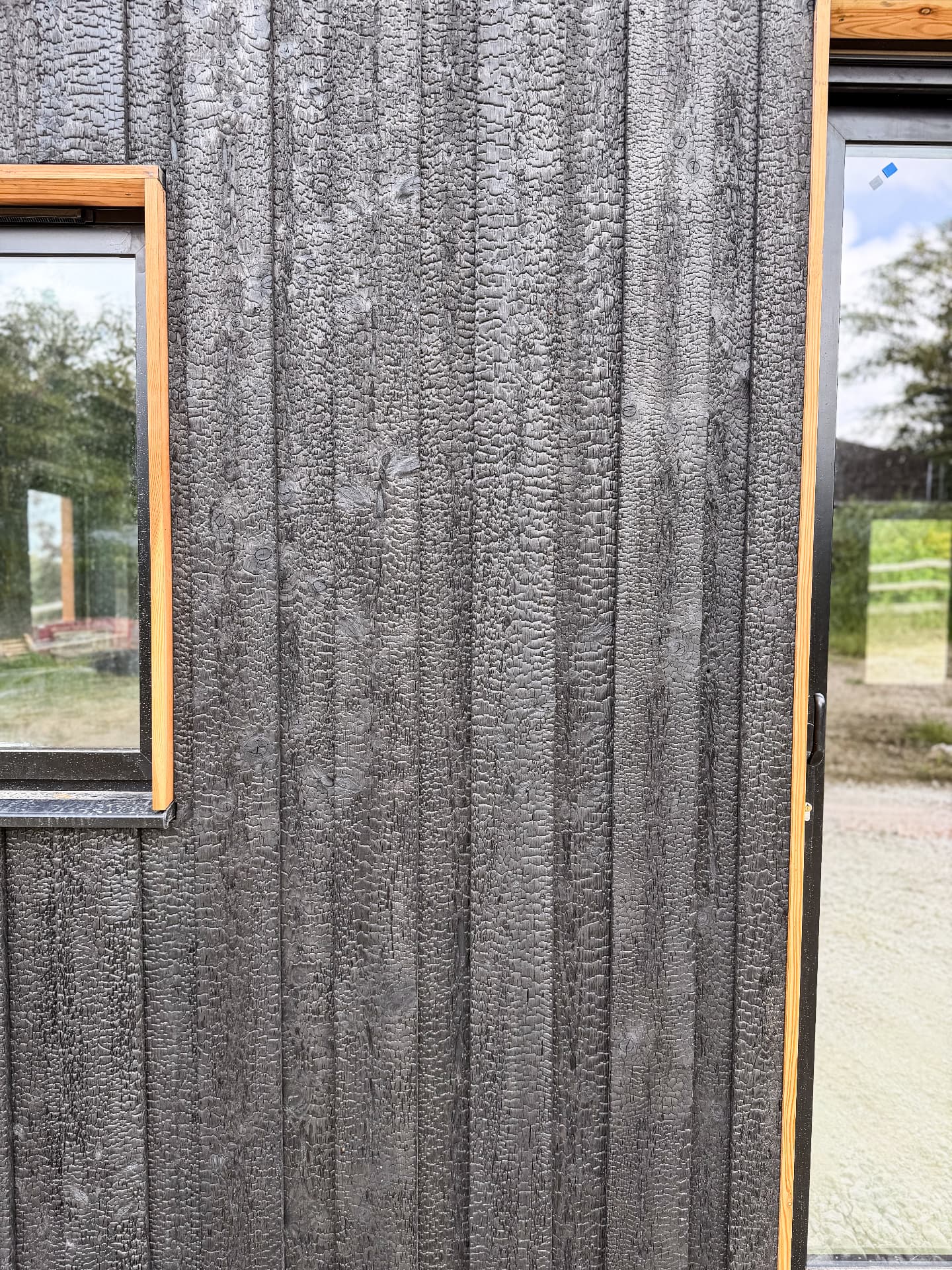
The method called Shou Sugi Ban began centuries ago. Japanese craftsmen gently burned cedar boards to protect them. This careful burning formed a strong carbon layer. The layer improved resistance against moisture, insects, and decay. The goal was not only protection and a longer life. Burning highlighted the natural grain hidden beneath the surface. Each wooden plank became unique, dark, and powerful. Today, architects worldwide look to this technique. Its value is not only about appearance. In times focused on sustainability, charred timber offers strength.
Why Charred Wood Cladding Captivates Modern Architecture
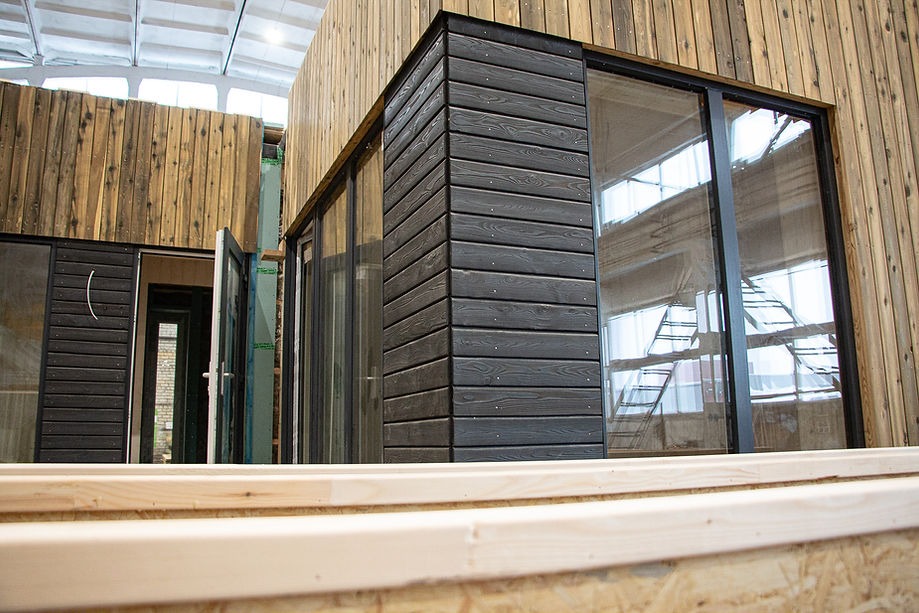
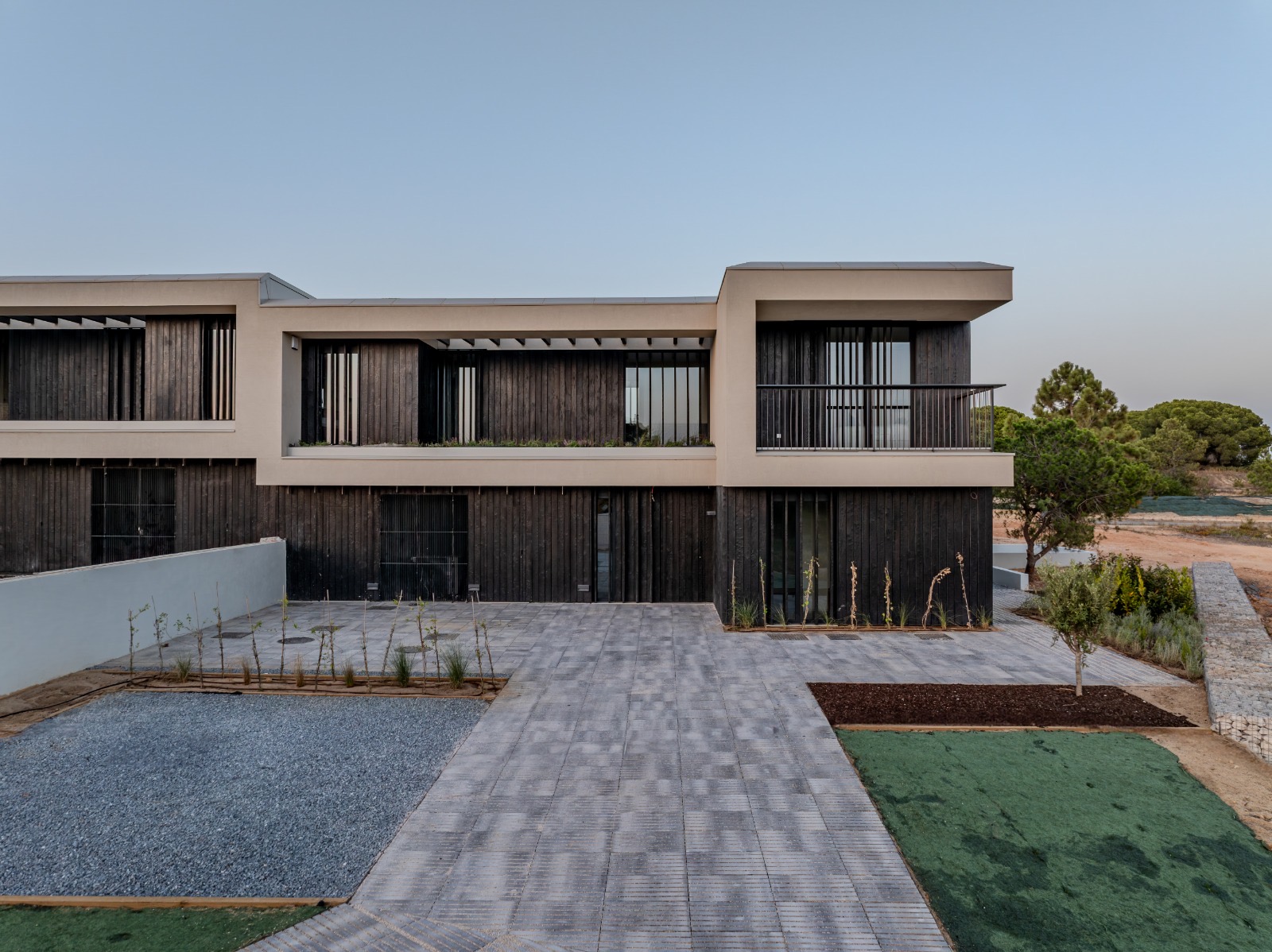
A façade covered in charred wood cladding feels powerful. It absorbs light softly instead of reflecting brightness. Its appearance changes gently throughout the day. In sunlight, soft silver tones slowly appear. In the rain, the surface texture feels deeper and richer. Its beauty is supported by reliable performance benefits. Enhanced durability protects wood from rot and insects. Low maintenance means finishes will not peel away. Weather resistance helps boards survive difficult climate conditions. The process avoids heavy chemical treatments completely. Homeowners and architects value its long-lasting performance. It protects design vision without harming structural integrity.
The Power of Accoya in Shou Sugi Ban Applications
Not every wood works well with charring. Accoya stands out for stability and strength. When burned traditionally, it becomes Shou sugi ban accoya. This surface keeps its strength while adding bold depth. Its stability reduces swelling and unwanted warping. It works well for exterior cladding and detailing. In harsh climates, this wood combination builds confidence. The dark façade stays strong for many years.
Beyond the Exterior: Bringing Charred Wood Indoors
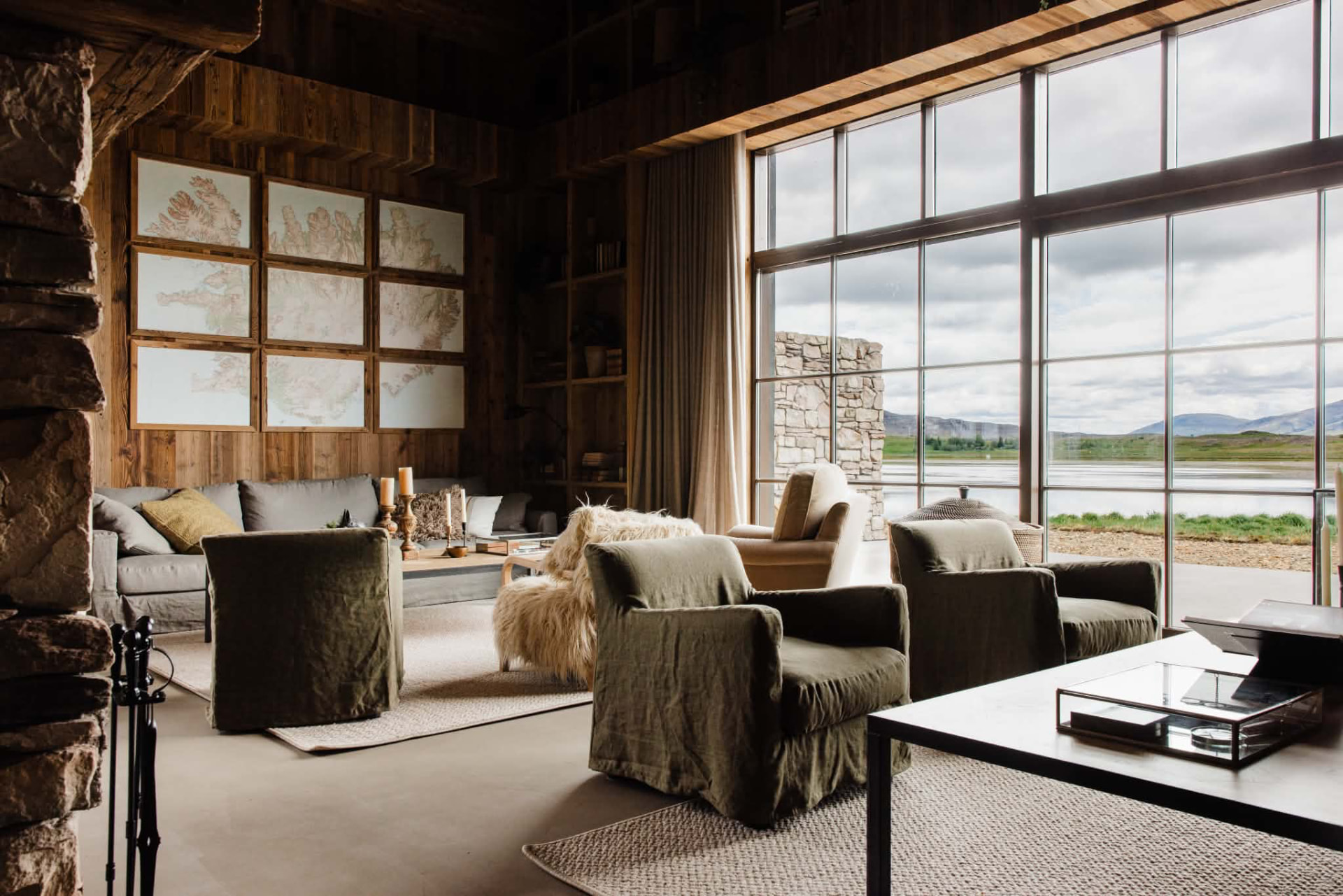
Many people connect this method only with façades. However, interior spaces also benefit greatly. Walls, ceilings, cabinets, and floors can use it. Charred Japanese wood inside homes creates a striking contrast. Against white walls, it brings warmth and depth. It softens minimal design while keeping clean lines. This approach creates a smooth flow between inside and outside. The house feels complete and carefully designed.
Wood Floor: A Natural Foundation
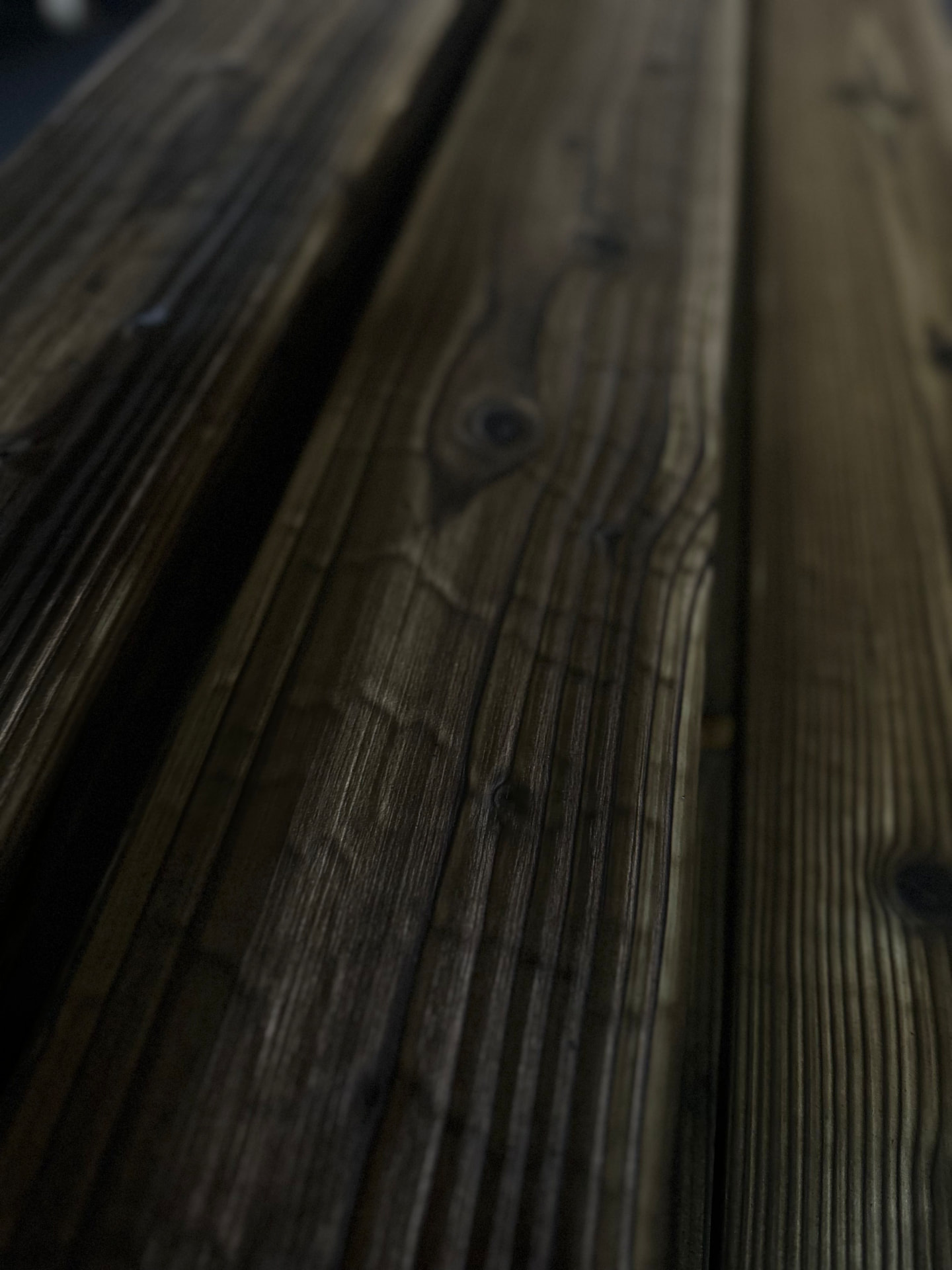
Texture should not stay only on walls. A wood foundation balances darker surfaces beautifully. has a lighter color and a gentle grain. When paired well, a wood floor brightens rooms. It works perfectly with darker timber walls. This mix avoids heaviness and creates harmony. Light and shadow feel balanced together. Designers often seek warmth without visual clutter. This pairing achieves simplicity without coldness.
Craftsmanship That Shapes Character
True charred wood shou sugi ban requires skill. It is not quick factory production work. The burn depth must be carefully controlled. Too little burn weakens long-term durability. Too much burn harms structural strength. After burning, workers brush away loose carbon. They may seal boards using natural oils. This step defines texture and final appearance. When done well, charred wood shou sugi ban tells stories. Each board shows natural grain touched by flame.
Sustainability with Substance
Modern buildings face responsibility toward the environment. Charred timber provides a practical solution. Burning extends the lifespan of wooden boards. This reduces frequent replacement and waste. Using responsibly sourced timber lowers environmental impact further. Accoya often comes from fast-growing managed forests. Choosing long-lasting wood respects natural resources deeply.
Designing with Emotion
Architecture shapes emotions before people notice details. Dark timber buildings feel grounded and stable. They stand strong in cities and forests. Many homeowners feel calm inside these spaces. Charred wood creates a steady and protective atmosphere. Natural textures bring comfort and authenticity. Dark surfaces suggest depth and lasting presence. They ignore trends and stay quietly confident.
From Vision to Reality with Bauwn
Material alone cannot guarantee excellent results. Proper execution makes the true difference. Bauwn focuses carefully on every production stage. They control charring and finishing precisely. Their goal combines resilience with refined artistry. Bauwn projects include homes and commercial spaces. In each project, timber supports the design vision. The dark grain frames everyday life beautifully.
A Material That Ages Gracefully
Time tests every building material eventually. Paint fades, and synthetic finishes crack. Charred timber changes slowly with character. Sun exposure may add gentle silver tones. Grain becomes more visible over the years. The building matures rather than weakens. Combined with stone, glass, or steel, it contrasts beautifully.
The Future of Timber Design
Interest in charred wood cladding keeps growing globally. Designers now prefer real textures over imitations. They want materials with honest character. Shou sugi ban accoya suits coastal retreats perfectly. A lumber floor brightens modern city homes. Charred timber blends tradition with modern thinking. Fire once damaged wood without mercy. Now fire strengthens and protects it.
Building Spaces That Feel Alive
Every building holds human stories and emotions. It shelters quiet mornings and shared meals. Materials shape daily experiences deeply. Charred timber invites touch and absorbs light. It builds atmosphere within living spaces. Design can stay practical and poetic together. Charred wood cladding creates bold and lasting landmarks. It protects character while ensuring durability. Architecture regains something meaningful and human.
FAQs
The lifespan of charred wood cladding is what?
Charred wood cladding has a decades-long lifespan when appropriately treated and placed. The burned layer shields the surface from weather-related deterioration. It still works effectively in a variety of conditions with little care.
What is cladding made of burned wood?
Charred wood cladding is made of wood that has been meticulously burnt to increase its longevity. The burning produces a coating of carbon that protects. This covering aids in defending the wood against rotting, dampness, and insects. It also adds a rich, deep aspect to the wood.
Are burned wood and Shou Sugi Ban the same thing?
The traditional Japanese method of charring wood is called Shou Sugi Ban. Nowadays, the typical word is “charred wood.” To preserve and strengthen wood, the method adheres to the same fundamental idea of controlled fire.
Is it possible to utilize burned wood indoors?
It is possible to utilize burned wood indoors. It looks great on highlight areas, cabinets, walls, and even ceilings. It gives interior spaces warmth, depth, and texture.
What distinguishes Shou sugi ban accoya?
Shou sugi ban Accoya uses Accoya wood and the charring process. Accoya is renowned for its resilience and ability to withstand shrinkage or swelling. In tough situations, this combination provides lasting strength and superior performance.