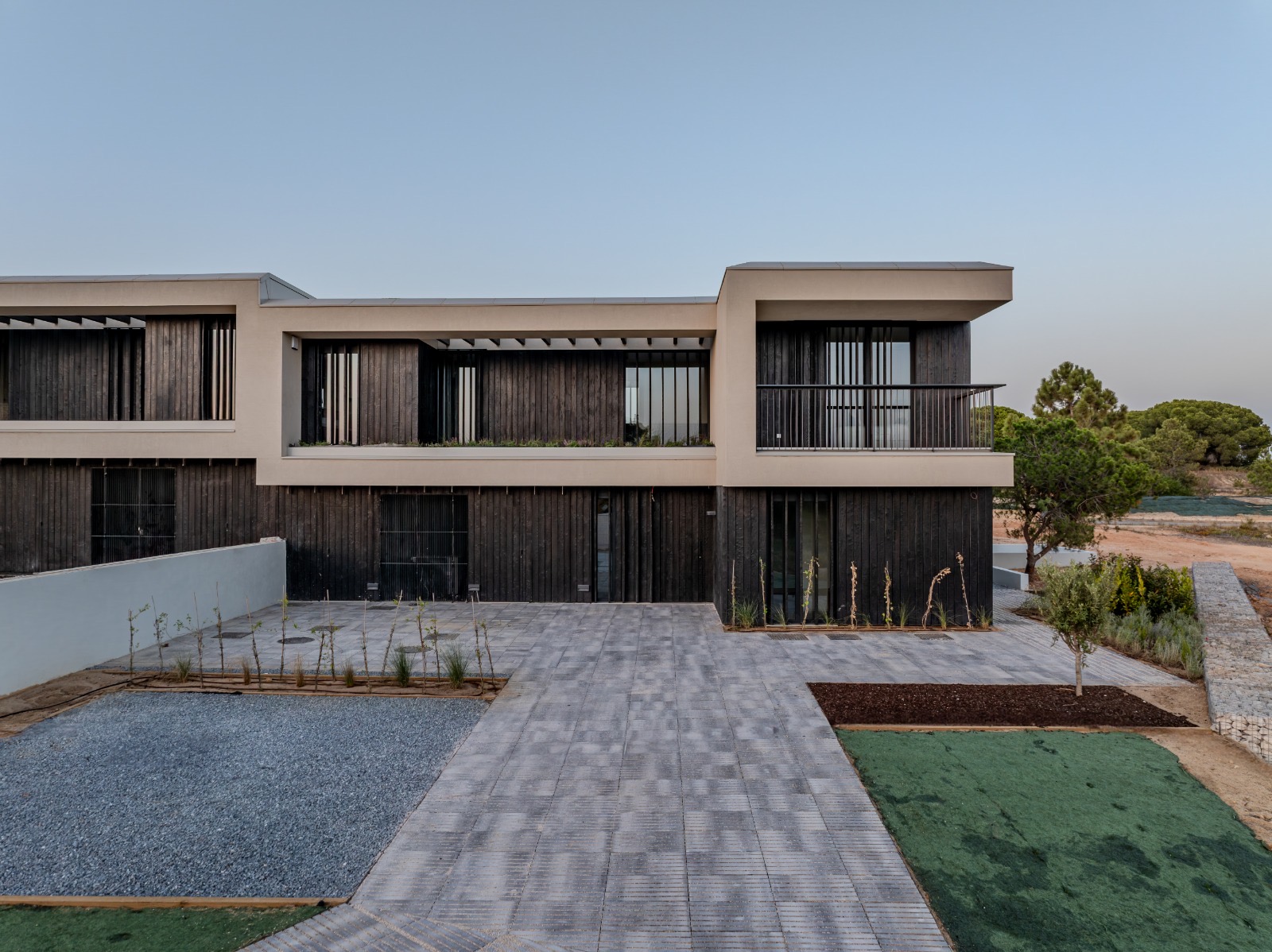
The Warmth and Character of Burnt Timber for Modern Living
By BAUWN·7 January 2026·6 min read
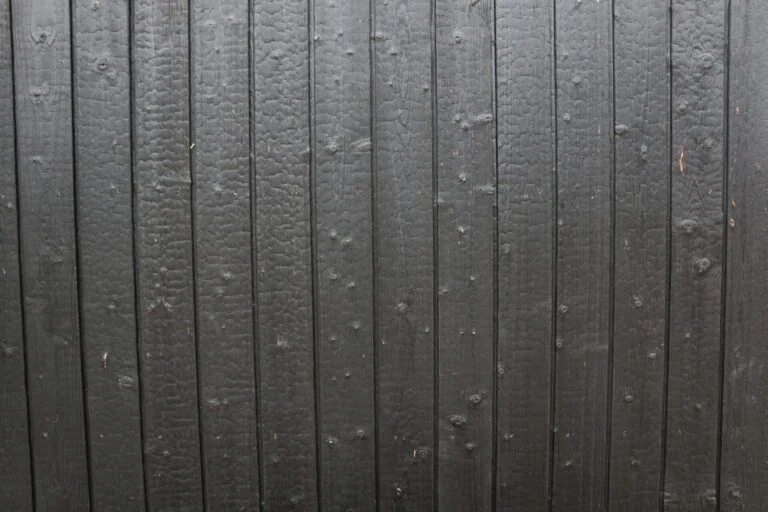
Wood is not a building material only. It has warmth, story, and authenticity that are very few other materials can match. Recently, designers, homeowners, and architects have all together found out an ancient technique that changes wood into something very impressive and at the same time very durable: charring. This method, which is the same as in the past, is being reinterpreted for the modern world, bringing depth, texture, and character to the inside and outside of a house. Various people who are thinking about Charred Wood interior design are looking for an option that not only is aesthetic but also lasts long and is eco-friendly - and this is the point where modern charred finishes really stand out.
The charring process brings out the grain lines, makes the colors richer, and secures the surface, all without a significant usage of chemicals. The method itself is very beautiful, and it can mix together the three styles of minimalism, rustic charm and modern sophistication. No matter if you are changing a single room or creating a completely new space, this material is like a box full of possibilities for artists and homeowners. Bauwn, among other companies, has taken this tradition to heart, adding precision, consistency, and craftsmanship to a technique that has powerful historical roots.
What Makes Charred Wood Unique?
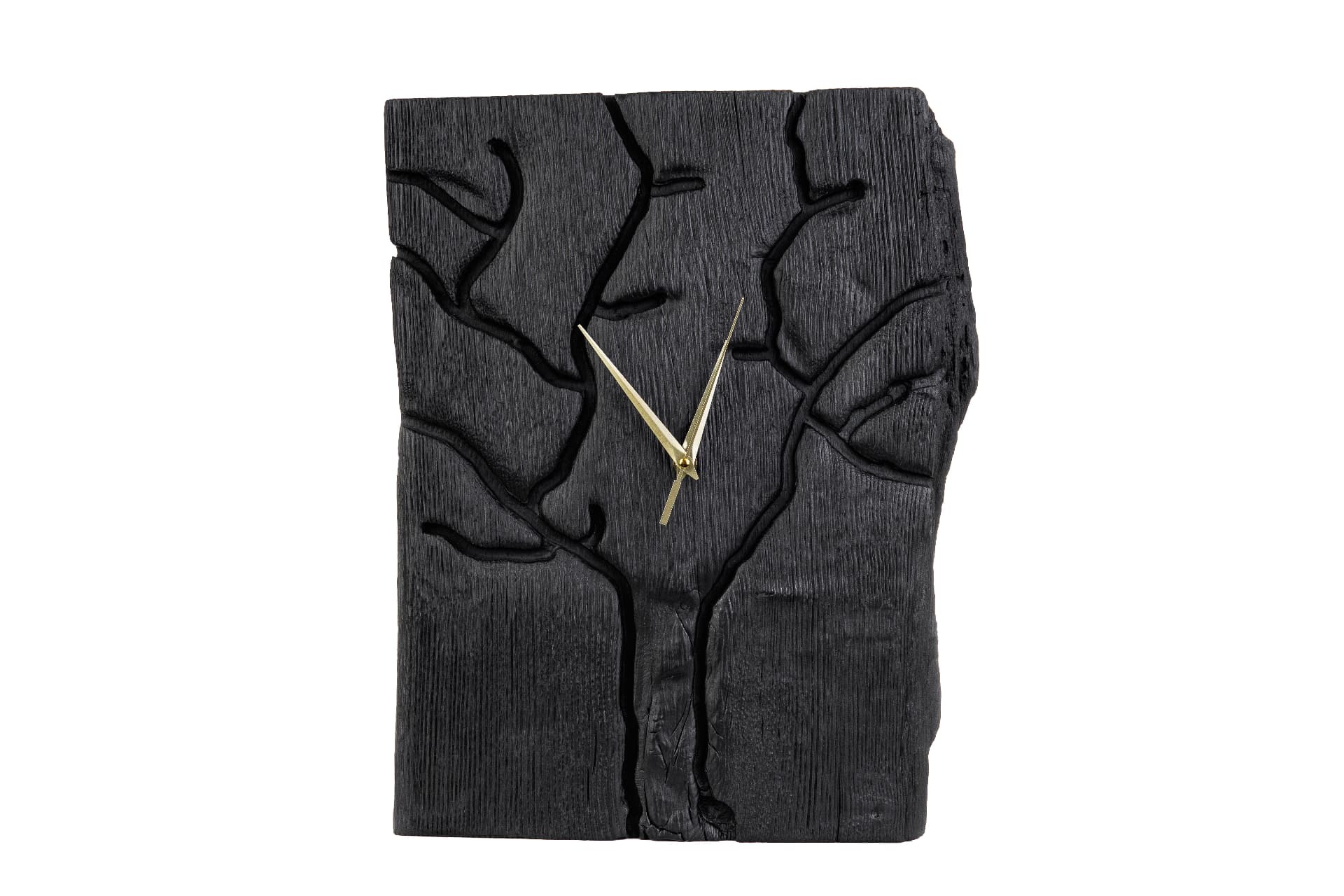
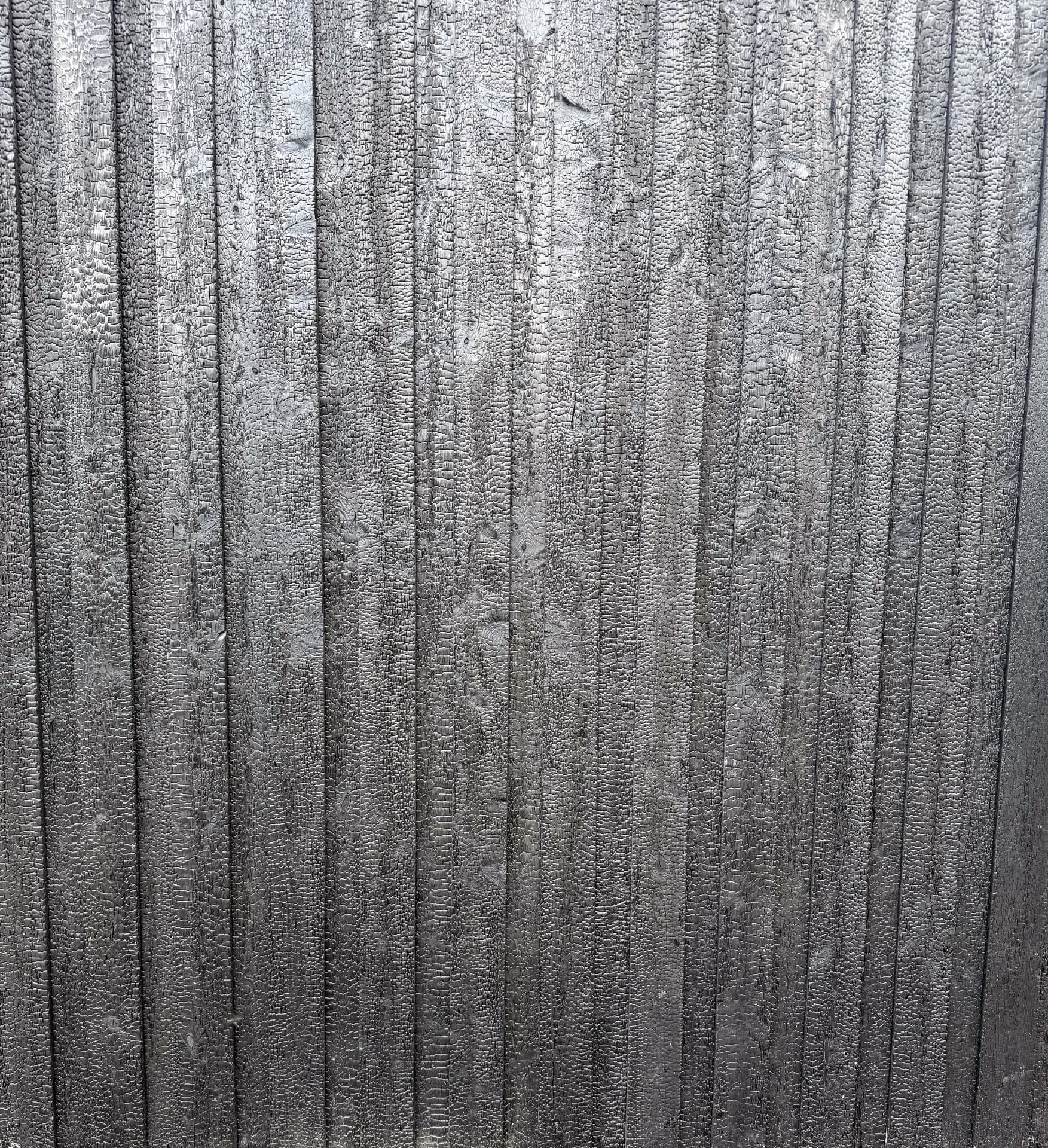
Charring wood lightly burns the outer layer of timber. This controlled technique seals the surface fibers, creating a natural carbon shield. Instead of weakening the material, this process strengthens and stabilizes it against moisture, insects, and weathering.
The result is rich and dramatic - tones ranging from matte black to smoky gray, highlighted grains, and incredible tactile depth. Designers love how it pairs effortlessly with glass, stone, concrete, and metal. Its distinct look adds dimension without overpowering the space.
This method is also considerate of the environment. The fact that charring preserves the wood naturally means that the amount of paints, sealants, and harsh chemicals needed is greatly reduced. It is a choice of design that is sustainable and in sync with the values of a contemporary generation of eco-minded builders and homeowners.
Bringing Charred Beauty Indoors
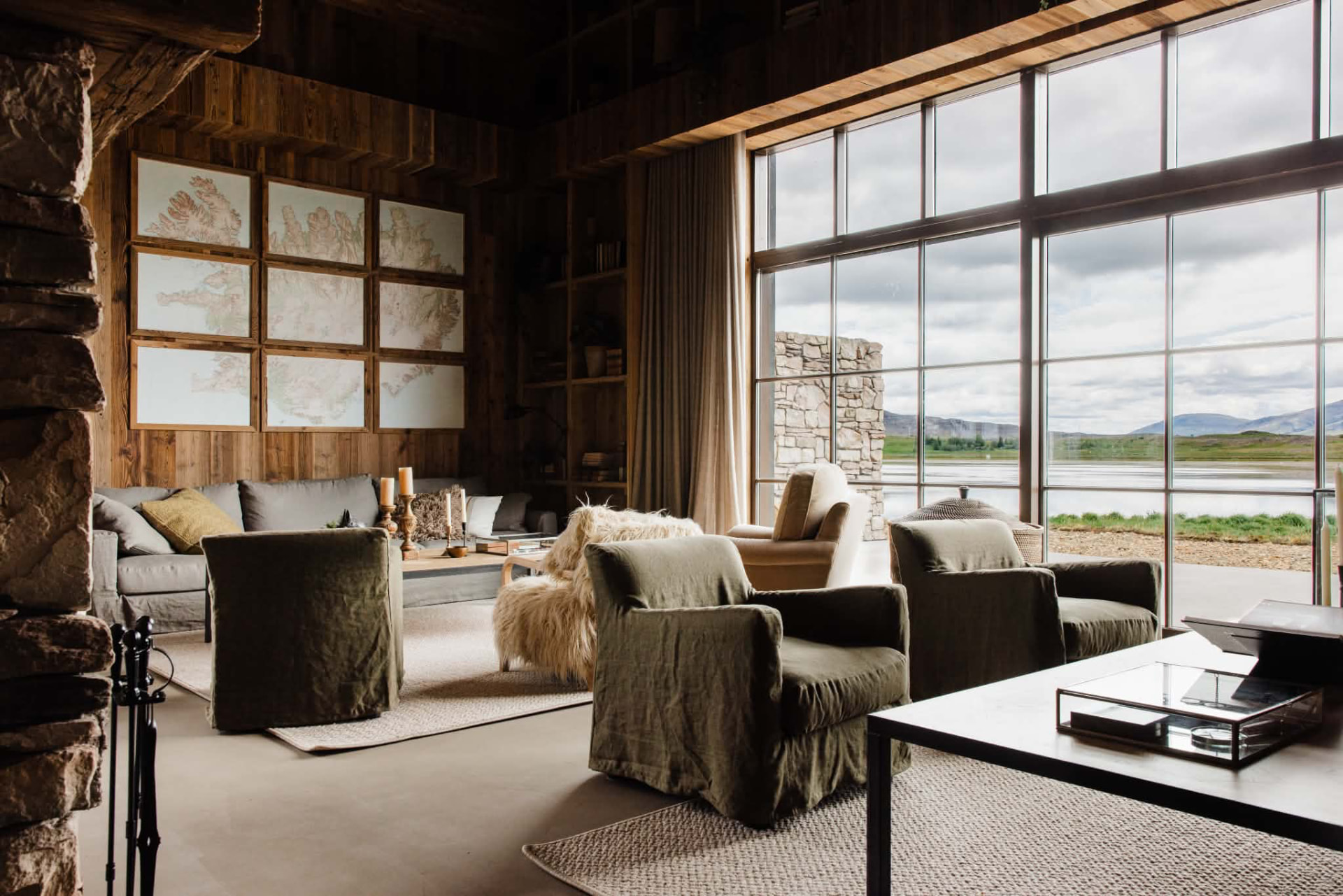
When applied thoughtfully, charred finishes soften lighting, enhance contrast, and create visual calm. A Charred Wood interior can work in both contemporary and traditional spaces. It is effective in many applications such as:
- Feature or accent walls
- Ceilings and trim
- Kitchen islands and cabinetry accents
- Wall paneling in living rooms, offices, or lobbies
The texture invites touch while its darker tone frames furniture, artwork, and lighting elegantly. It complements neutral palettes perfectly and pairs especially well with warm earth tones and natural textiles.
Exterior Expression and Architectural Character
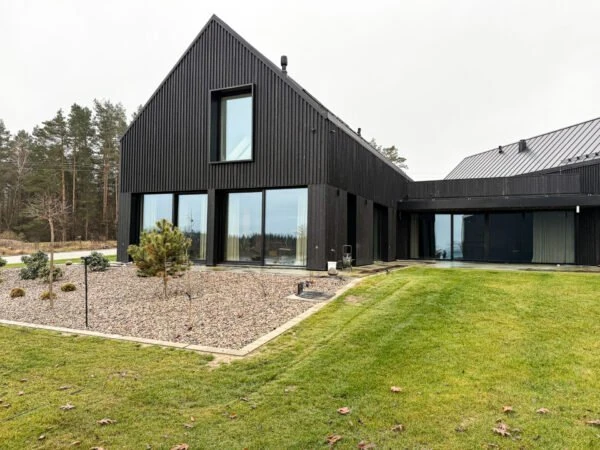
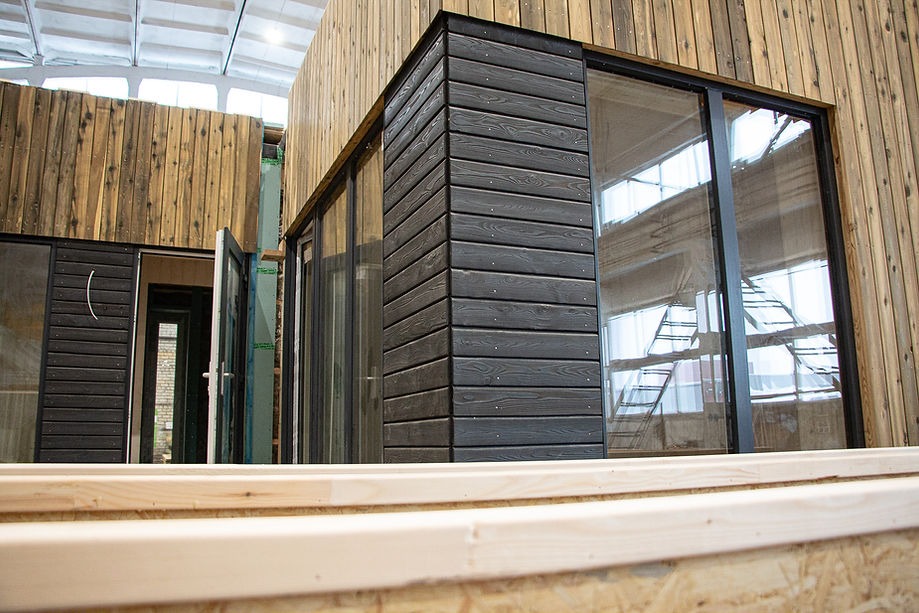
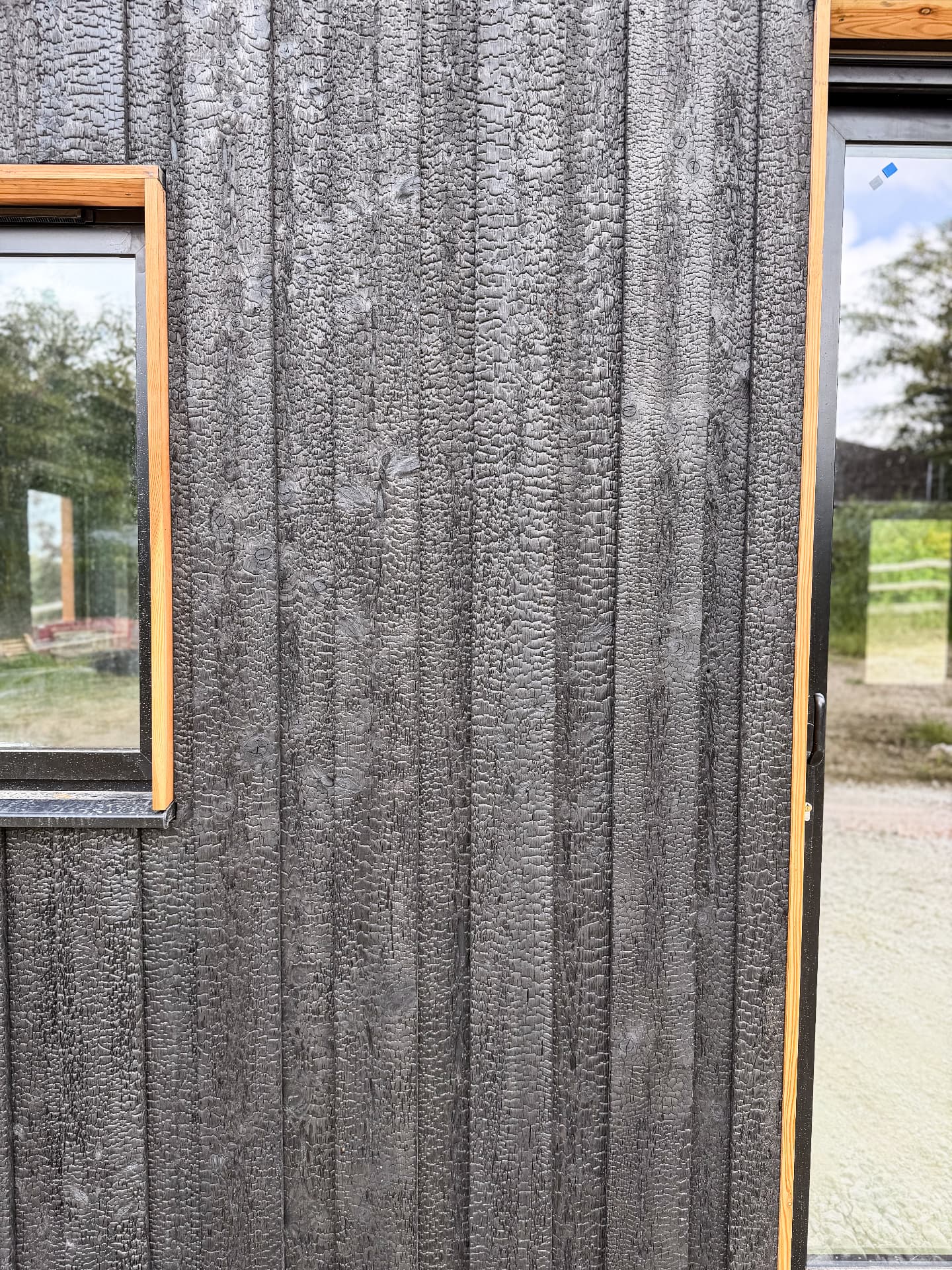
When it comes to interior spaces, continuity of the above and below surfaces is often a main consideration for designers. The Charred Wood cladding is then a powerful architectural tool in this regard. The same durability that keeps the façade from getting moisture or insects the climate as well as time taking it to where the façade is beautiful at its greatest and the like. The Charred Wood finishes, however, never fade or peel off and the charred surface has thus become the most preferred as they add to the richness of the already beautiful surface year by year.
Charred Wood cladding, that’s right, whether it is utilized for houses, sheds, or commercial buildings, it is a powerful, yet very elegant, and at the same time, no less effective performance enhancer. It has the ability to change a basic shape into an eye-catching architectural expression and still be the natural material it was.
Benefits at a Glance
Here are key reasons builders, designers, and homeowners are turning toward charred wood:
- Naturally rot and insect resistant
- Distinctive, elegant visual texture
- Suitable for both modern and rustic design themes
- Reduced maintenance needs compared to many stained finishes
- More sustainable than many chemically treated alternatives
- Enhances both small accent features and large-scale surfaces
Design Ideas and Inspirations
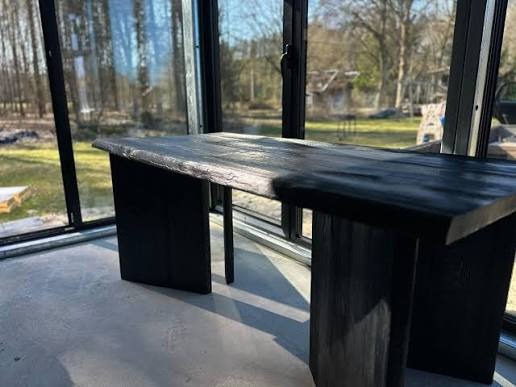
Charred wood works across a range of aesthetics. In Scandinavian-inspired spaces, it anchors the light palette. In industrial designs, it pairs with steel and concrete. In nature-focused spaces, it complements stone and live-edge textures. Because each piece of wood reacts uniquely to the charring process, every installation is visually one-of-a-kind.
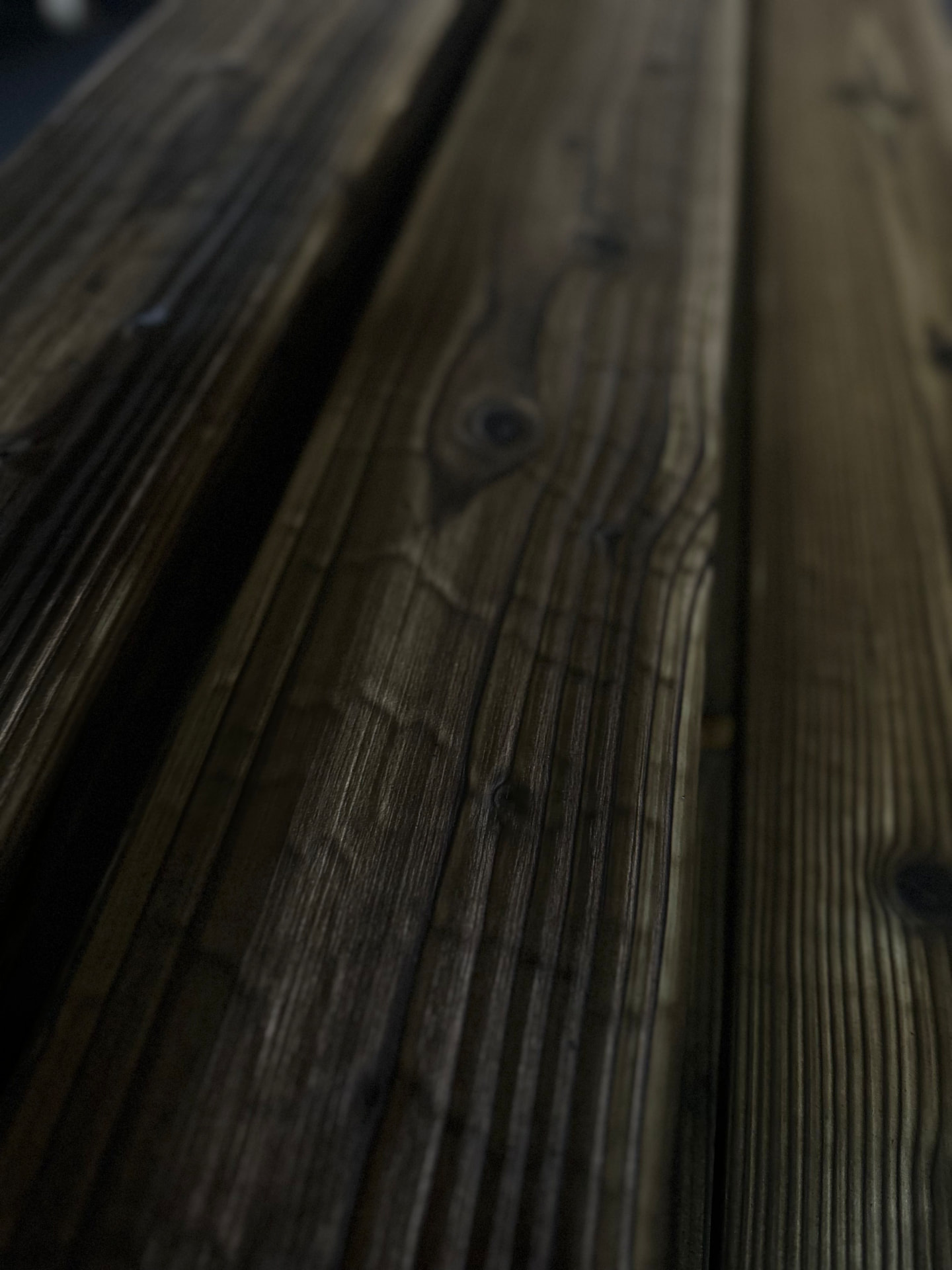
Another significant factor is lighting. The soft light exposes the grain to its full depth, while the natural light gives the surface some subtle shades. Consequently, the surface is alive and its character varies with the changing daylight hours.
Bauwn and similar companies emphasize not only the aesthetic aspect but also the quality of precision - regulating the depth of the burn, tone uniformity, and firmness - main considerations when using this material for luxury interior design and architectural applications.
Maintenance and Longevity
Durability is one of the factors that made charred wood to remain in use throughout time. The surface that has undergone carbonization repels water, pests, and even the process of decay, thus prolonging the life of wood. Simple dusting or gentle washing is often sufficient for routine care. For certain finishes, homeowners may occasionally apply light oiling to refresh luster, depending on the desired appearance.
With correct installation and minimal maintenance, charred surfaces can retain beauty and performance for decades.
Key Points
- Ancient technique refined for modern architecture
- Enhances grain, texture, depth, and color naturally
- Suitable for walls, ceilings, façades, and feature surfaces
- Strong resistance to rot, insects, and moisture
- Complements minimalist, rustic, and luxury aesthetics
- Environmentally conscious option compared to many chemical treatments
Frequently Asked Questions
1. How is charred wood made?
Charred wood is produced by carefully burning the surface of timber under controlled conditions. The outer layer carbonizes, sealing the wood fibers. After burning, the surface may be brushed, finished, or oiled depending on the desired look. This process not only enhances beauty but also increases durability, making it suitable for interior design and architectural applications.
2. Does charred wood require a lot of maintenance?
No, one of the main advantages is the need for less maintenance. The burned surface being the case is insect and moisture resistant by nature. Usually, cleaning once in a while is
sufficient to give it an attractive look. The finishing method may suggest the protection of the oil being applied occasionally for preserving the luster and the color depth.
3. Is charred wood safe for indoor use?
Indeed, indoors it would be safe if it was finished and installed properly. The expert handling of the surface makes it stable and also gets rid of the loose soot. Its most common applications are wall treatments, feature parts, ceilings, and decorative installations. Always depending on suppliers and installers that are experienced to make sure that preparation and finishing are correct for indoor settings.
4. Can charred wood be used in modern as well as traditional designs?
Absolutely. Its versatility is one of its greatest strengths. It can appear sleek and contemporary or warm and rustic depending on how it is paired with color palettes, lighting, and furnishings. Designers value it for adding depth and contrast while still maintaining a connection to natural materials.
Final Thoughts
Charred Wood cladding not only pleases the eye but also serves as a material that reflects history, skill, ecology, and durability all together. Its flexibility gives the architects and the owners the chance to create nature-inspired wonderful spots, regardless of the fact that it is applied for artistic walls, cozy living spaces, or rotating outdoor floors. Moreover, there are no limits to the use of this material, for with the right skills and careful application, this method can turn even the most ordinary rooms and buildings into timeless works of art in terms of design.