Why Architects Are Choosing Black Wood for Timeless Exterior Design
By BAUWN·30 January 2026·5 min read
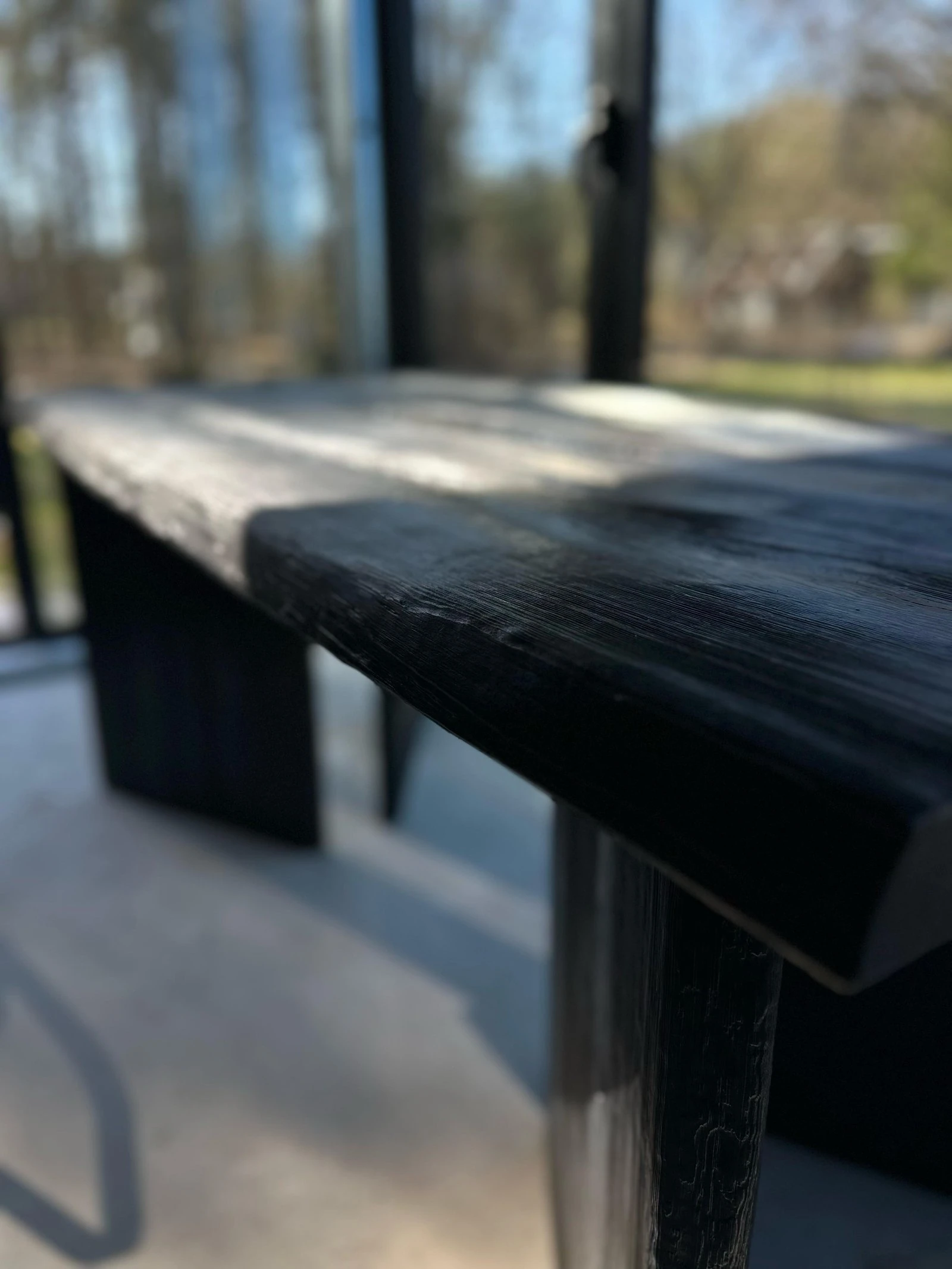
These days, construction is more than just structures. It has to do with memory, emotion, and how a place impacts people when they see it. Designers are going back to using textiles that seem real, implanted, and closely linked to nature in both metropolitan and rural settings. Among these, black wood has emerged as a striking alternative - bold but quiet, trendy yet anchored in narrative.
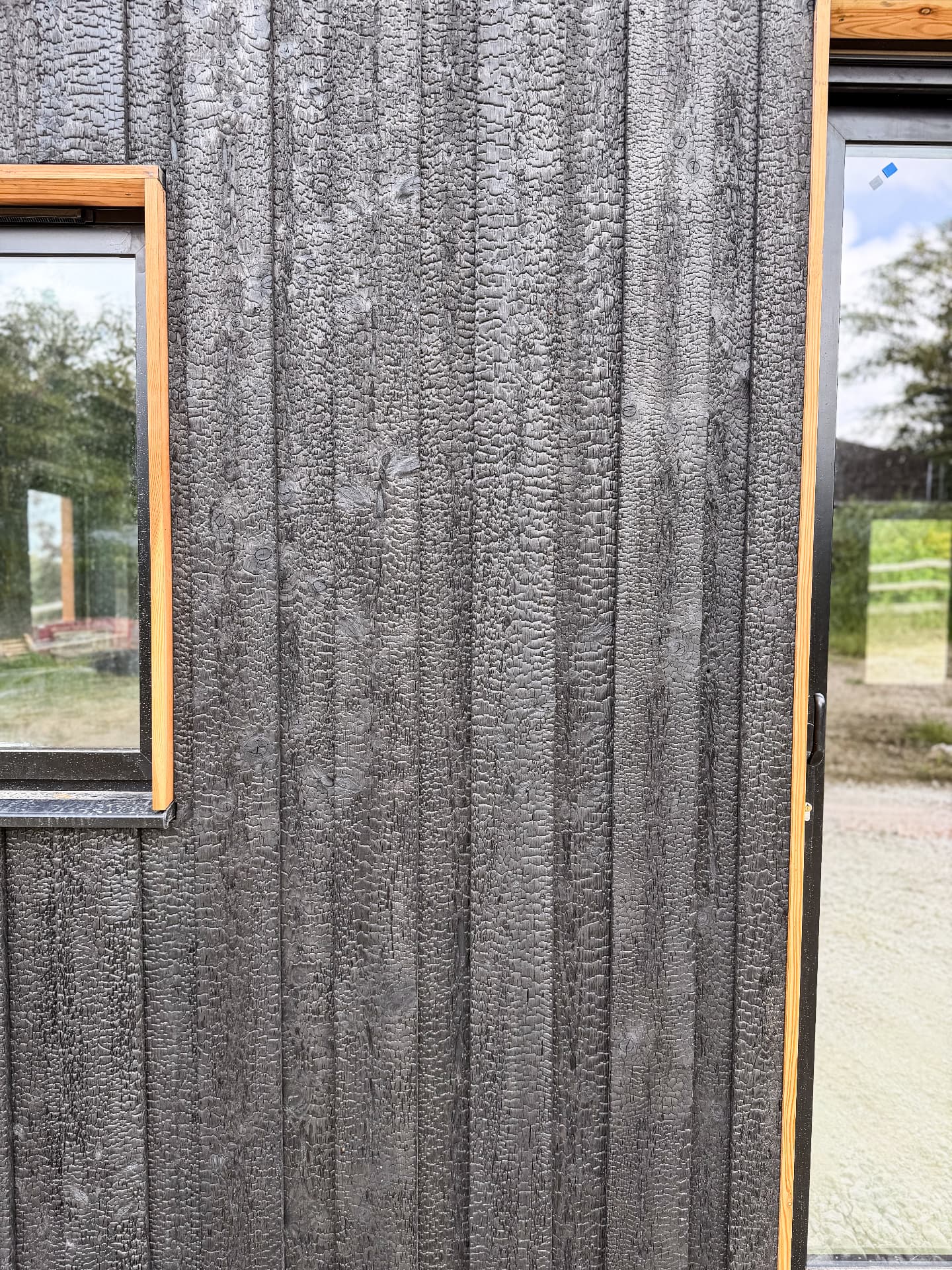
Surfaces made of black wood cladding texture do more than only protect a building. They convey a tale of self-control, purpose, and confidence. A change in architectural thought, where surfaces are intended to age gently and convey uniqueness without requiring attention, is reflected in the increased trend for black wood cladding texture.
A Material That Speaks Without Words
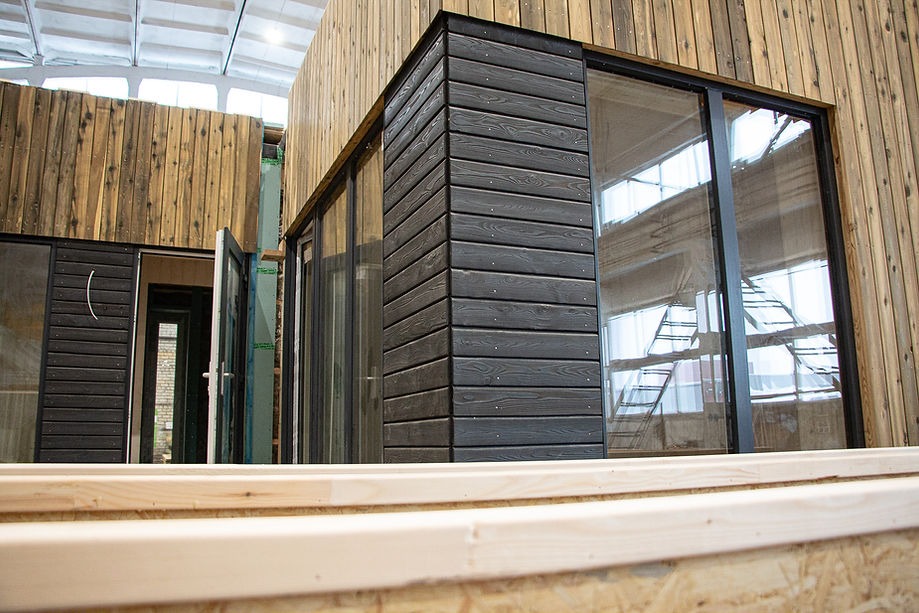
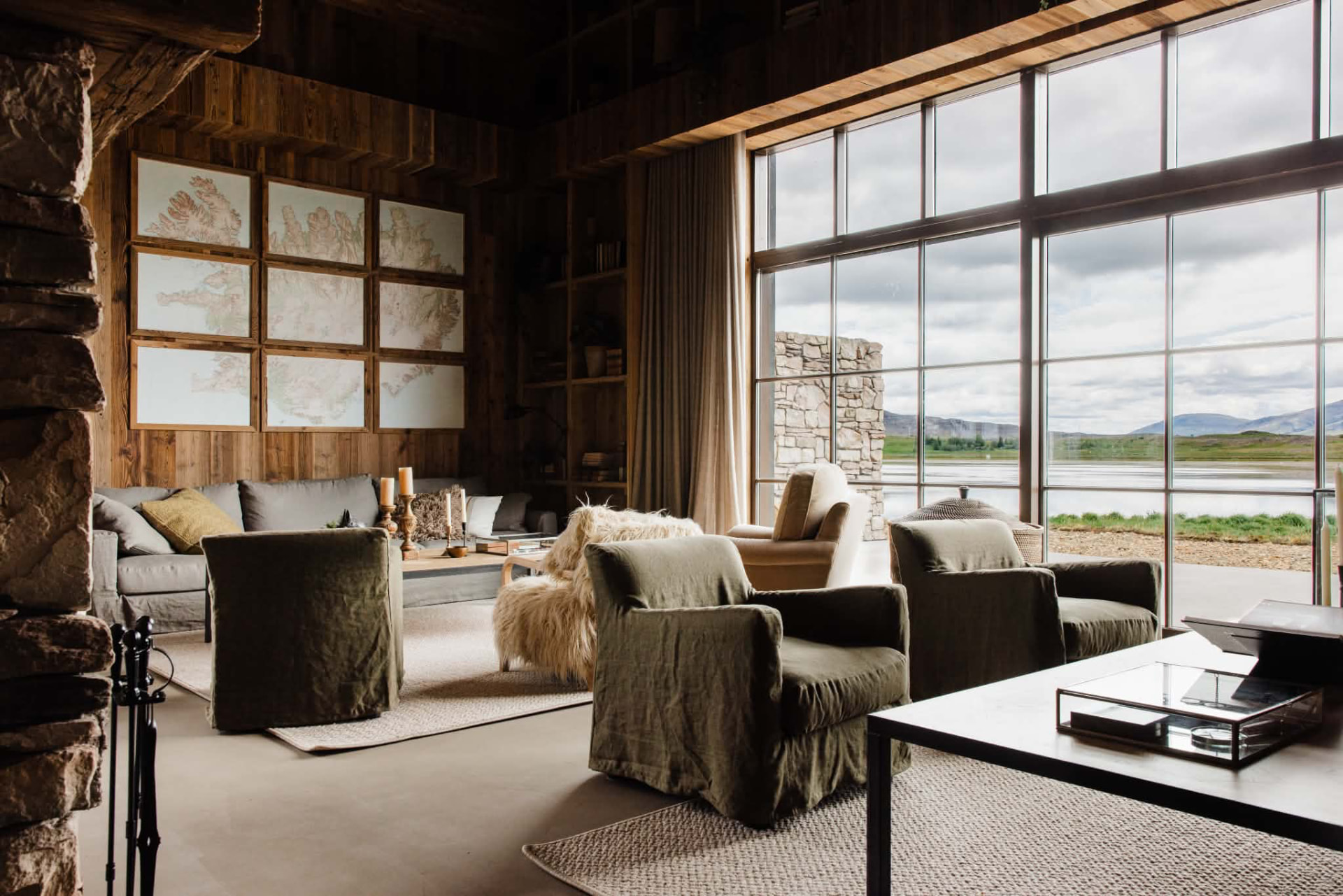
Black wood has a calm presence that feels powerful and intentional. It does not reflect light harshly like glossy modern surfaces. Instead, it absorbs light and muffles the building’s overall impression. This quality helps structures feel grounded and balanced in their surroundings. Black wood works well beside stone, glass, concrete, and greenery. It creates a difference while still feeling peaceful and respectful.
Architects love materials that do not demand attention loudly. Black wood allows the design to feel confident without appearing aggressive. Its beauty comes from texture, grain, and natural imperfections.
As sunlight changes, black wood surfaces reveal quiet depth. Morning and evening light create different moods on the same facade. This subtle transformation adds emotional value to architectural spaces.
Rooted in Nature, Refined by Craft
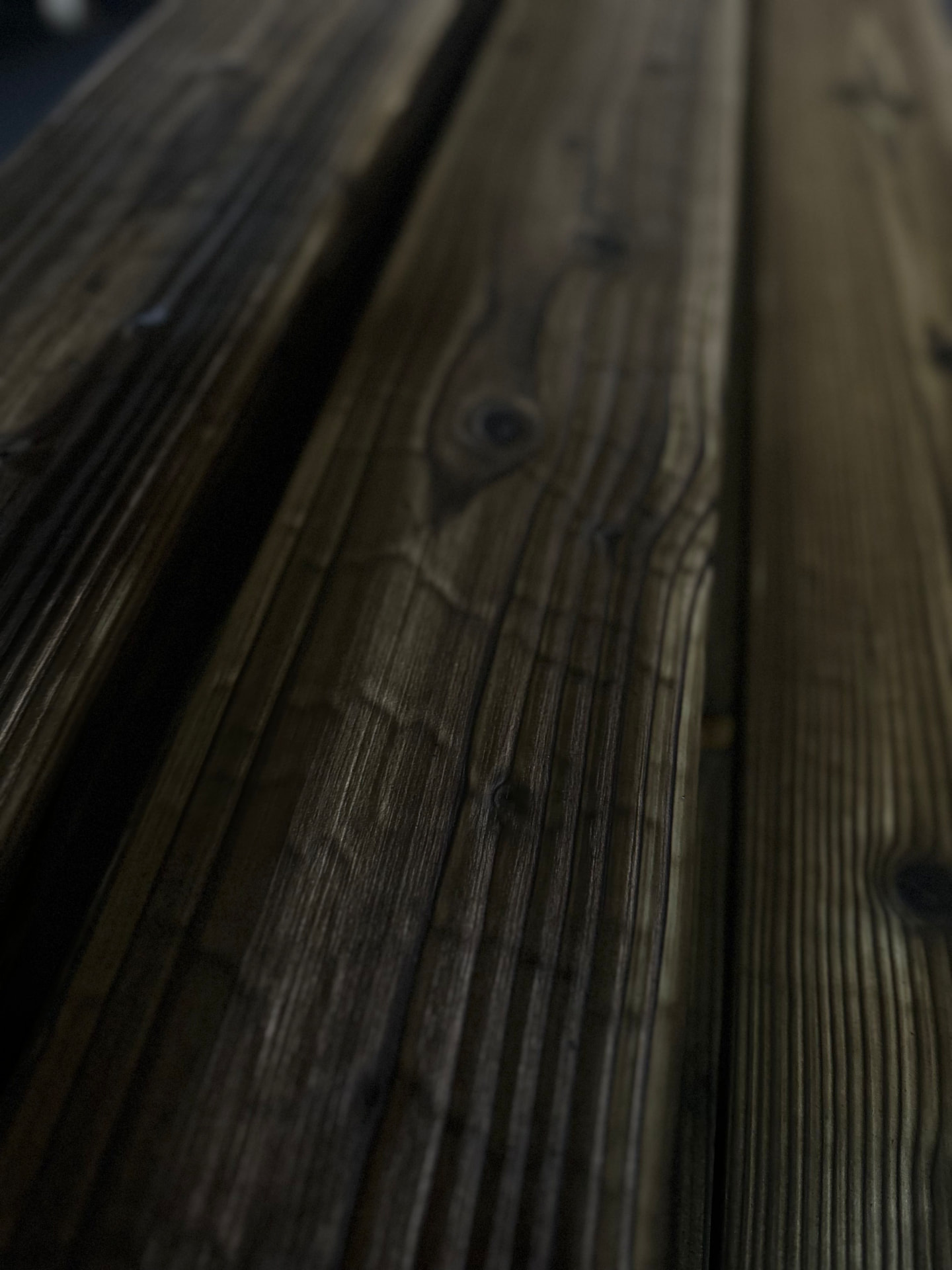
Black wood connects deeply with natural processes and craftsmanship. Unlike painted surfaces, it celebrates real wood and organic texture. Every wooden panel carries unique grain patterns and markings.
This individuality attracts architects who value honesty in materials. The influence of Japanese wood texture is clear in this approach. Traditional Japanese design respects wood as a living material.
Wood is allowed to age, breathe, and change naturally. Imperfections are accepted and even appreciated for their character. This philosophy creates warmth instead of cold perfection.
Modern architecture now adopts this philosophy strongly. People want areas that feel human, not factory-produced. Natural wood surfaces provide dynamic comfort and visual calm.
Durability Meets Design Integrity
Many people think wood exteriors are weak or difficult. In reality, treated black wood performs extremely well outdoors. It resists moisture, insects, and harsh weather conditions effectively.
Traditional methods improve strength without harming natural beauty.
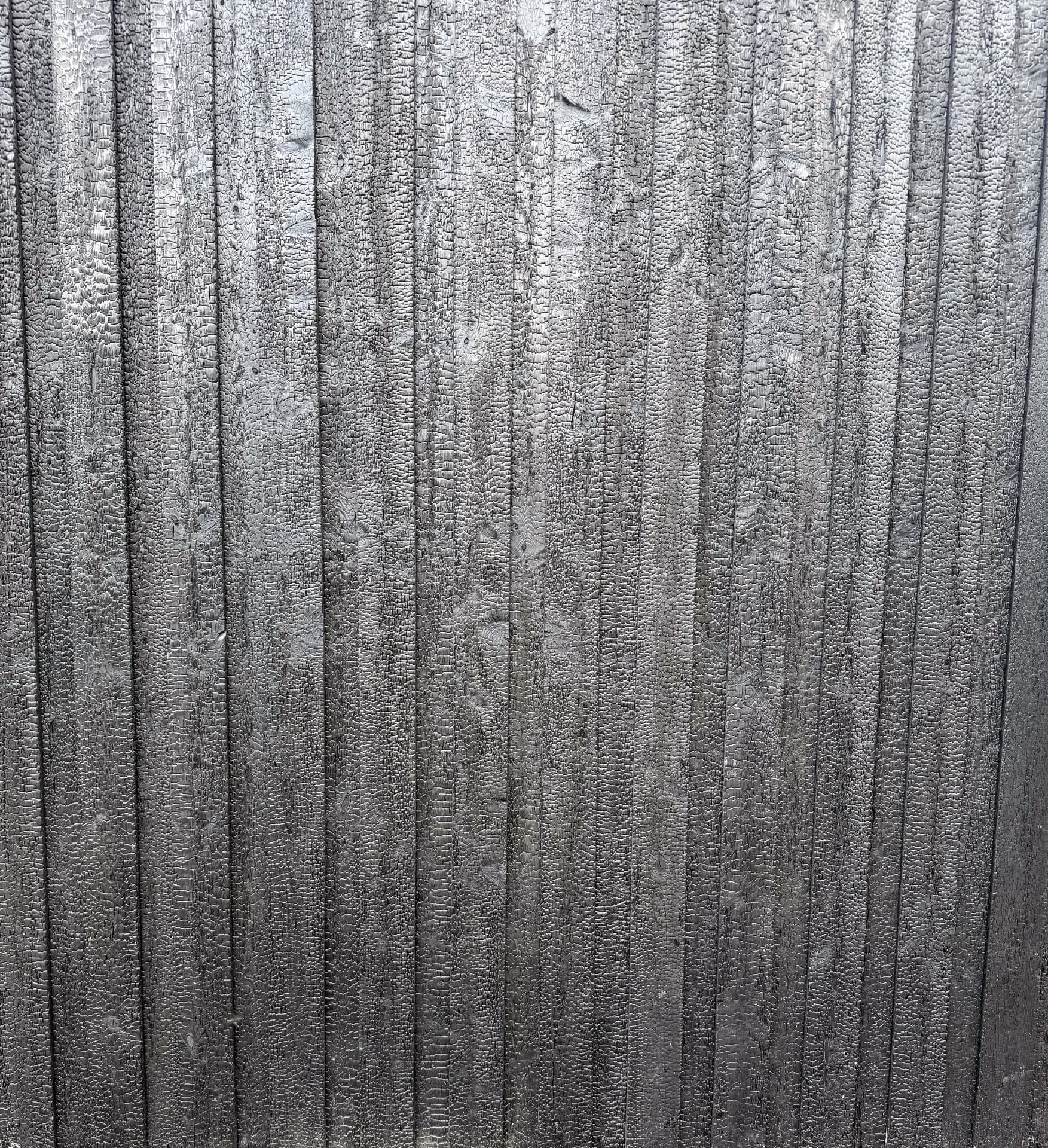
One famous method is called Shou Sugi Ban fencing. This technique carefully chars wood to protect its surface.
The process strengthens wood while creating a deep, dark color. It does not damage wood or reduce its lifespan. Instead, it increases durability and long-term performance.
Architects value materials that balance beauty with reliability. Black wood allows bold design without sacrificing structural safety. Over time, the surface ages with dignity and strength.
Emotional Connection Through Material Choice
Architecture becomes meaningful when it creates an emotional connection. Black wood does this quietly and very effectively. It creates feelings of safety, warmth, and calm confidence.
Homes with dark wood facades seem protected and calm. Public structures seem practical, courteous, and emotionally inviting. Warmth is added to places of business without being unduly attractive.
The black wood cladding texture adds a human touch to surfaces. Texture makes buildings feel crafted rather than manufactured. This emotional quality explains its growing architectural popularity.
People respond emotionally to materials before understanding design. Black wood creates comfort without needing explanation. That emotional response makes spaces feel memorable and meaningful.
Versatility Across Architectural Styles
Black wood adapts easily to many architectural design styles. It works beautifully with minimal, modern, and traditional forms. Architects use it for homes, hotels, museums, and offices.
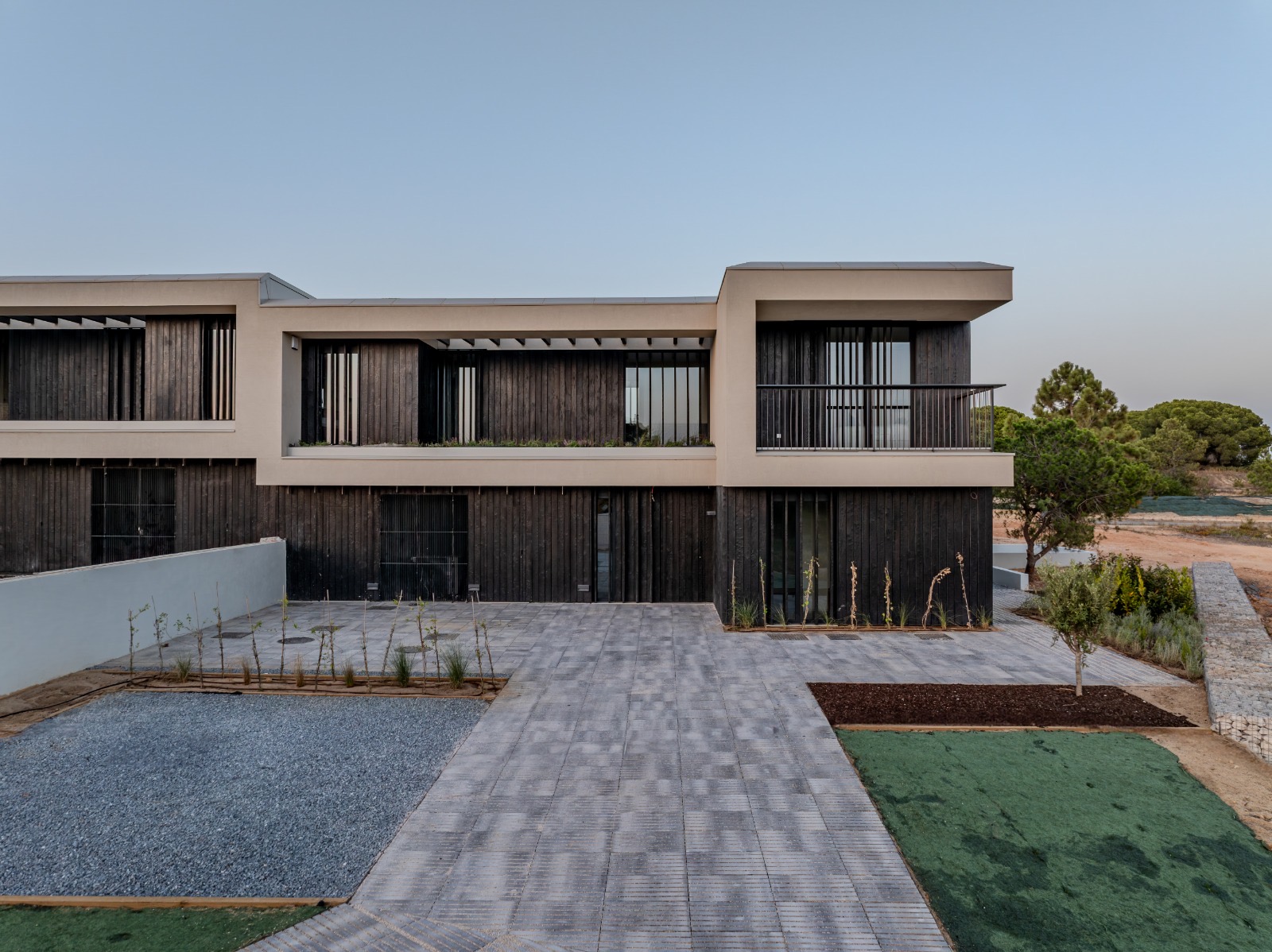
Minimalist homes benefit from their calm and controlled appearance. Modern villas use contrast between black wood and glass. Cultural buildings use it to express dignity and reflection.
Hospitality spaces gain warmth without visual noise. Architects can use black wood fully or partially. Even small accents add depth and a strong identity.
Japanese wood texture supports both classic and modern designs. It connects traditions with present architectural thinking. This balance makes designs feel complete and timeless.
Sustainability and Conscious Design
Sustainability now plays a major role in architecture. Architects must choose materials with a lower environmental impact. Wood remains one of the most responsible building materials.
Black wood often requires fewer chemical treatments. It ages naturally without constant repainting or replacement. This reduces waste and long-term environmental damage.
Clients also want buildings that reflect personal values. They care about nature, responsibility, and thoughtful choices. Black wood visually communicates respect for the environment.
Using natural materials creates trust and emotional connection. Buildings feel more meaningful when values are visible. Black wood supports both design and ethical responsibility.
A Modern Statement with Timeless Appeal
Some materials feel relevant for decades, not years. Black wood belongs firmly in this timeless category. Its beauty does not rely on fashion or short trends.
The appeal comes from balance and restraint. It combines strength with softness and darkness with warmth. This harmony keeps architecture visually calm and confident.
Architects choose black wood to blend buildings into their surroundings. Buildings feel settled instead of competing visually. Over time, structures feel natural and well-rooted.
Bauwn understands this design philosophy deeply. Their surfaces respect architectural intent and material honesty. Good materials help architecture feel authentic and lasting.
Looking Forward: The Future of Black Wood Architecture
Design is moving toward calmer and more meaningful spaces. Cities are growing, and visual noise is increasing rapidly. Architects now seek materials that bring visual rest.
Black wood will continue gaining architectural importance. It supports emotion, durability, and thoughtful design values. This makes it more than a temporary design choice.
Architecture now focuses on human experience. Designers want people to feel connected to spaces. Black wood helps achieve this emotional connection.
It invites people to slow down and observe texture. It turns structures into experiences, not just structures. This is why developers continue selecting black wood.
Is black wood suitable for all climates?
Black wood works well in many climate conditions worldwide. Proper treatment helps it resist rain, sun, and temperature changes. This makes it suitable for urban and natural environments.
Does black wood fade over time?
Black wood does not fade unattractively with age. It develops a natural patina that adds character. This aging process improves visual depth and appeal.
Is black wood difficult to maintain?
Unlike many external finishes, maintenance requirements are minimal. It can be kept in good shape with basic checkups. It does not require continuous restoration or replacements.
Can black wood be used in modern architecture?
Black wood is a great match for contemporary design elements. It combines metal, concrete, and glass features nicely. This arrangement gives contemporary structures more coziness.
Why do architects prefer dark wood over lighter finishes?
Dark wood hides wear better than lighter surfaces. It creates a strong grounding and calm visual presence. Architects value its balance of elegance and strength.