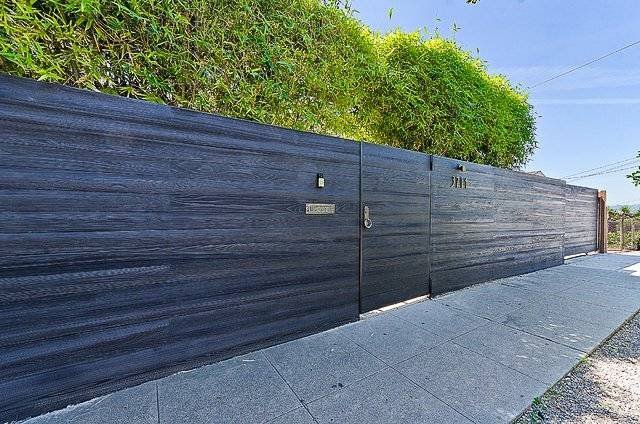
Charred wood is a popular material for home exteriors, like walls, decks and fences. The stunning appeal of a charred wood fence has the power to stop anyone and catch a glance. The deep black finish. The rich texture. The way it looks sharp next to a modern home or a rustic garden. But this isn’t just a pretty fence. It is one of the most durable, low-maintenance options you can buy. And the technique behind it has been proven for centuries.
It is a centuries-old Japanese technique called Shou Sugi Ban. It can be understood as a method to protect wood or a way of enhancing its aesthetic value. It does both. Here’s why it deserves a spot on your property.
How Shou Sugi Ban Fencing can enhance your property’s value
Using Shou Sugi Ban for fencing is an evergreen trend. Since the 18th century, people in Japan and around the world have been using it. Charring is a process of controlled burning of the wood surface. The common choice is cedar. Other timbers are also used. It makes it far more resistant to fire, rot, insects and moisture. It is not a chemical treatment. Here are the different steps:
- The wood surface is charred with controlled heat
- The char is brushed to the desired finish
- The surface is sealed with oil for protection
- The result is a hardened layer on the surface
No synthetics. No toxic treatments. Just fire, wood, and a finish that lasts.
Charred wood looks stunning and it ages beautifully with a silver lining. Thus, it will enhance your property’s aesthetic value and make your home exterior look elegant.
Benefits of a Charred Wood Fence
A charred wood fence looks great. It also performs better than most people expect.
It lasts a long time – The charring process hardens the wood. A shou sugi ban fence can stay as it is for more than hundred years.
It resists rot and insects naturally – The carbon layer repels moisture and doesn’t appeal to wood-boring bugs. No chemical sprays are needed. The protection is built right in.
It is more fire-resistant than raw wood – The carbonized surface of the wood slows flames. If you live in a fire-prone area, it is a real advantage.
It is low maintenance – Normal timber needs annual staining and repainting. A periodic oil treatment is more than enough for charred wood.
The Look: Why It Works Almost Anywhere
Shou Sugi Ban fencing is very versatile. There are thousands of fencing styles that can be made with this timber. A range of finishes, from a smooth matte black to a heavily textured surface, can be obtained according to the homeowner’s choice.
For modern homes, bold patterns complement the light walls and concrete. For a rustic or farmhouse setting, it can add warmth and character. It can match a natural setup of your Japanese or Zen garden beautifully. It is a great choice for installing a contemporary fence for your landscaping. Left natural, the black fades to a soft silver-grey over time. Oiled regularly, the dark tone holds much longer. Either way, it looks intentional and not worn out.
Shou Sugi Ban Products: What to Look For
Not all Shou Sugi Ban products are the same. Cedar is a traditional choice but Douglas fir, larch and pine are also common. Each gives a slightly different texture and tone. Larch tends to produce a more dramatic, heavily textured result. Cedar gives a finer, more even finish.
Light charring shows more grain and natural color. Heavy charring makes the timber blacker. The texture is richer.
The timber is available as pre-finished, ready-to-install boards. These are easier and more consistent for most residential projects. Trust only good suppliers who are upfront about the species, process and maintenance requirements.
Why Charred Wood Is Worth Considering
When it comes to quality, choosing a Shou Sugi Ban fence is an option that comes up for good reason. Authentic charred wood materials are consistent, well-finished and ready to perform.
What makes it a solid choice:
- Multiple species and char finishes to match your vision
- Pre-finished boards that are genuinely installation-ready
- Reliable quality from batch to batch
- Helpful guidance on choosing the right product for your project
Whether it’s a residential garden fence or a larger commercial boundary, charred timber gives you real options.
Is It Right for Your Property?
A charred wood fence works in most climates and settings. It’s a great fit if you:
- Want something that lasts decades without heavy upkeep
- Prefer natural, chemical-free materials
- Care about strong design impact alongside solid performance
- Can invest a bit more for your project’s face value
Alternatively, if you need a light-colored or painted fence, it may not be the right match. Also, if you have a very tight budget, you can install a normal timber fence for now and consider a reconstruction project in future when you can invest in a charred timber fence. Quality charred wood products do cost more than basic timber — but the long-term value is hard to argue with.
Conclusion
A charred wood fence is one of those choices you won’t regret. It looks stunning, performs exceptionally, and holds up for decades with minimal effort. Shou Sugi Ban fencing has earned its reputation over centuries. With trusted Shou Sugi Ban products from Bauwn, bringing that quality to your property is straightforward. If you are planning a new fence or upgrading an existing one, charred wood is worth a serious look.
Explore the different options in charred wood fencing with Bauwn. Discuss how charred wood products can be the right finish for your project.
FAQs
1. How long does a charred wood fence last?
A properly installed and maintained Shou Sugi Ban fence can last anywhere from 80 to 100 years. The charring process hardens the wood naturally, making it far more durable than standard treated timber.
2. Does a charred wood fence need a lot of maintenance?
Not at all. That’s one of its biggest selling points. A periodic oil treatment is usually enough to keep it protected and looking great. No annual staining, painting, or sealing required.
3. Is charred wood actually fire-resistant?
Yes. The carbonized surface created during the charring process slows the spread of flames rather than accelerating them. It’s more fire-resistant than untreated or standard treated wood — which makes it a smart choice for dry or fire-prone areas.
4. What wood species work best for Shou Sugi Ban fencing?
Cedar is the traditional choice, but Douglas fir, larch, and pine are all commonly used. Each gives a slightly different finish. Larch produces a bold, heavily textured look while cedar offers a finer, more even result.
5. Where can I find quality Shou Sugi Ban products for fencing?
Bauwn offers a solid range of authentic charred wood products in multiple species and char finishes. Their pre-finished boards are ready to install and built to last — a reliable starting point for any fencing project.