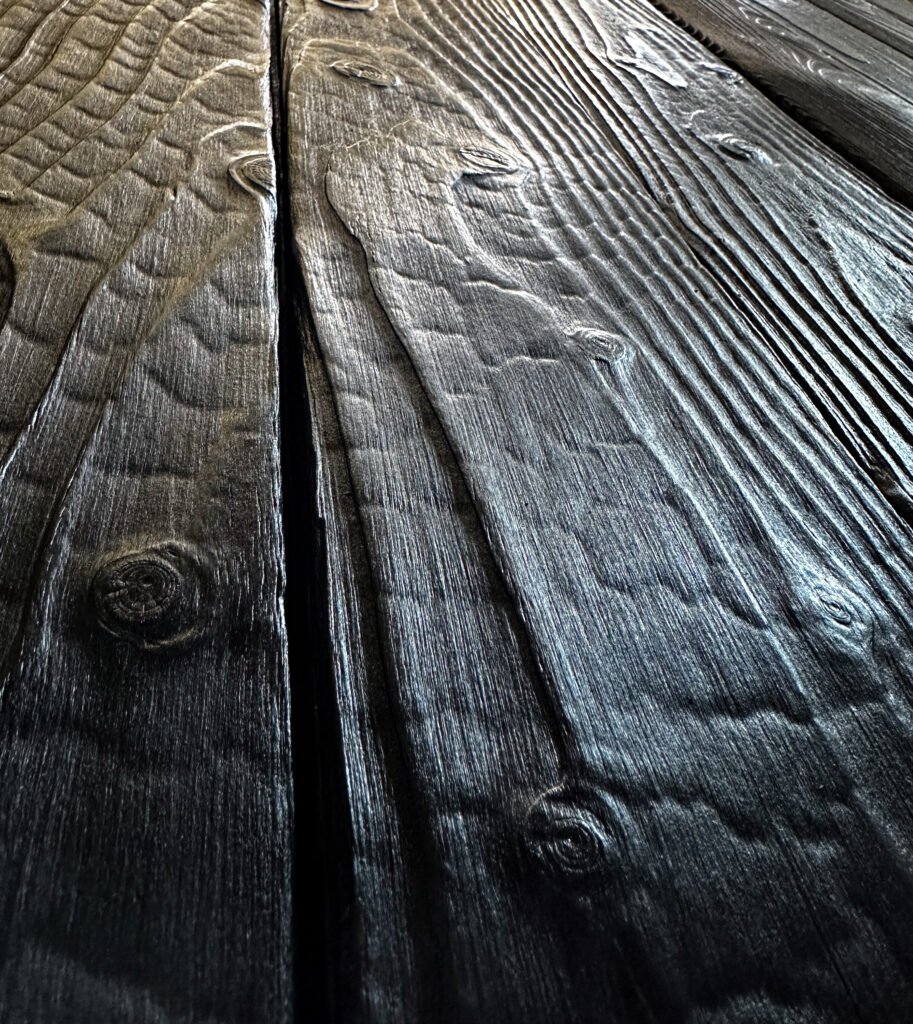
Homeowners and architects are done with the same old exteriors. Painted timber and composite panels work fine. But they don’t stand out. They need regular retouching and repainting after every few years.
Modern homeowners want something unique for their homes. Charred wood is not a new trend; it has existed for centuries. And still, homeowners prefer to incorporate charred wood cladding into their home designs. Spruce hardwood and charred accoya cladding are the materials that stand out in this category. These are durable and can be used to create beautiful designs. These are low-maintenance materials and a go-to choice for architects and designers.
What Is Charred Wood and how is it made?
Charring is the process of burning timber in a controlled manner. Shou Sugi Ban is a Japanese technique that has been used for hundreds of years. The process is simple. Wood surface is burned with fire and treated to create a surface that doesn’t rot or get affected by insects. Even moisture and UV can’t damage it naturally. It started with cedar in Japan. Today, many timber species are being charred to give them a distinctive, aged look and enhance their performance. It is a surface that’s functional and strikingly beautiful.
Shou Sugi Ban cladding has moved well beyond its traditional roots. It’s now a mainstream design choice for exteriors that make a real statement. No paint, no artificial finishes, just beautifully treated wood.
Why Accoya is a great choice for cladding?
The timber you use determines everything. The quality, structure, durability, finishing – a lot depends on the cladding wood used. Accoya is a modified wood that’s incredibly stable. It is highly resistant to moisture and highly durable. Accoya can retain its condition for up to 50 years without any additional treatment. When charred, it becomes an exceptional material. The charring adds a protective layer on top of Accoya’s existing resistance. The result is charred Accoya cladding that performs at a higher level than most materials. It resists warping. It handles extreme weather. It stays stable at very high temperatures. And it looks stunning whether used in interior or exterior spaces.
The Performance Benefits
Here’s why accoya cladding keeps coming up on serious exterior projects.
Durability — Accoya’s structure gets modified when it is made. As a result, it becomes resistant to rot and decay. The charred surface makes it even more durable and long lasting. It can handle rain, frost, heat and humidity without breaking down.
Dimensional stability — Accoya performs well in high temperature and moisture conditions. Normal timber expands and contracts, whereas Accoya experiences less warping and gapping.
Low maintenance — Charred wood develops a natural silver lining on the surface with time. Most homeowners prefer this look. Due to high natural resistance, it doesn’t need repainting or retreating.
Sustainability — Accoya comes from forests and is processed using non-toxic chemistry. For projects focused on sustainable materials, it is an ideal choice.
Fire performance — Charred wood actually improves fire resistance compared to untreated timber. The carbonized surface slows the spread of flame — a practical benefit on top of the aesthetic ones.
The Aesthetic Case for Charred Wood
Performance matters. But a big part of why charred wood has taken off is simply how it looks.
Deep black tones. Rich surface texture. The way it catches light differently throughout the day. It creates an exterior that feels confident and considered. It works against stone, concrete, glass, and steel. It suits both contemporary and traditional architectural styles.
Charred wood also ages well. Unlike painted surfaces that chip and fade, a charred finish develops a silver-grey patina over time that many designers actively prefer. It’s a living material. It gets better with age.
For homes, it creates a presence that stands apart on the street. For commercial builds, it signals quality and craft. The visual impact is immediate and it lasts.
Bauwn – Setting the Standard
When it comes to premium charred timber, Bauwn is a name worth knowing. We specialize in high-quality charred wood cladding combining traditional techniques with modern production standards to deliver a product that performs as well as it looks.
The depth of char, the quality of the base timber and the finishing process all affect the final result. Our approach to spruce hardwood and Shou Sugi Ban cladding is built around doing things properly. We use quality materials, follow consistent processes and provide finishes built for real exterior conditions.
For architects, builders and homeowners looking for charred accoya timber that delivers on both beauty and performance, Bauwn promises the best quality.
Where Charred Cladding Works Best
Shou Sugi Ban cladding suits a wide range of projects. Here are the most popular uses.
Residential exteriors — Full façade cladding in charred accoya creates a bold, distinctive home. Works especially well on contemporary builds and barn conversions.
Feature walls — A charred wood feature wall on a gable end or entrance creates real impact without covering the whole building.
Garden buildings — Low maintenance requirements make charred cladding a practical choice for gardens.
Commercial properties — Restaurants, hotels and retail spaces use charred wood cladding for the warmth and low maintenance it promises.
Conclusion
Charred accoya cladding is more than a trend. It’s a smart choice for home and commercial projects. It combines centuries of craft with modern performance. It looks exceptional. It can last for decades and needs very less upkeep. For exterior design projects, this material is both beautiful and durable. Charred wood cladding is a trend that’s going to stay. And with specialists like Bauwn leading the way, quality charred cladding is more accessible than ever.
So, if you want an exterior material that looks stunning and performs for decades, charred accoya is worth serious consideration. Contact us for guidance and your charred wood cladding projects.
FAQ
1. What is the difference between Shou Sugi Ban and regular charred wood cladding?
Shou Sugi Ban is a traditional Japanese technique using controlled charring to preserve timber. Regular charred cladding may use similar processes but doesn’t always follow the same methods. The term is now used broadly to describe most charred timber cladding products.
2. How long does charred accoya cladding last?
Accoya is rated for up to 50 years in above-ground use before charring. With the added protection of a charred surface, it can realistically last several decades with minimal maintenance — making it one of the most durable cladding options available.
3. Does charred wood cladding need much maintenance?
Very little. It develops a natural patina over time that most architects and homeowners prefer. Occasional cleaning and a periodic oil treatment on some products is generally all it needs.
4. Is charred accoya suitable for all climates?
Yes. Charred accoya handles variable and demanding climates well. Its dimensional stability means it copes with temperature changes and moisture without warping or gapping — performing well in wet, cold, and hot conditions alike.
5. Where can I source quality charred accoya wood cladding?
Bauwn is a specialist supplier of premium charred wood cladding. We suggest the right product for your specific project — residential, commercial or anything in between. Contact us for your interior or exterior wood cladding project.