Is Accoya Wood Suitable for Shou Sugi Ban? Benefits, Performance & Cladding Options
By BAUWN·9 September 2026·6 min read
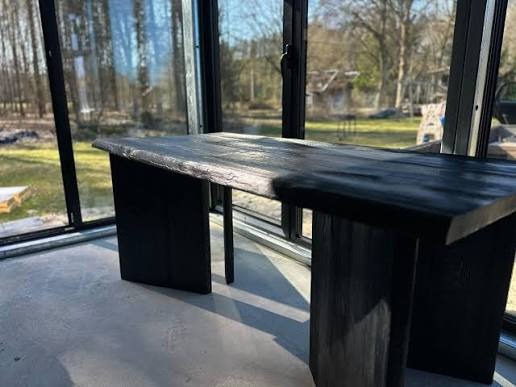
This is one of the most commonly asked questions: Is Accoya wood suitable for Shou Sugi Ban? The simple answer is yes. Charred timber can give an architectural facade a distinctive combination of depth, texture, and natural character. However, the long term performance of a charred timber cladding system depends on more than its surface appearance. The timber substrate, charring process, finish, installation, exposure, and maintenance all play a vital role.
For external cladding, is Shou Sugi Ban Accoya a sensible option? To clarify this question, the guide explores its appropriateness, main advantages, exterior durability, and possible cladding solutions for various building designs.
Why Is Accoya Wood Different?
Acetylation is a procedure that modifies Accoya by altering the wood’s capacity to absorb moisture. Compared to many untreated timber choices, this promotes improved structural stability by reducing swelling and shrinking caused by moisture. For appropriate applications, Accoya claims a sixty-year service life and Class 1 durability. Additionally, under certain circumstances, the maker offers a 50-year assurance for above-ground installations.
These qualities might be useful for external facades when long-term durability and uniform board dimensions are important. Cleaner joints and more consistent facade decoration can also be supported by a sturdy basis for charred wood.
Is Accoya Suitable For Shou Sugi Ban?
Yes, Accoya can be suitable for controlled charring when the complete system is correctly specified. Shou Sugi Ban Accoya combines modified timber with a carefully controlled charred surface treatment. Charring creates a distinctive appearance, while the Accoya substrate provides its documented stability and durability characteristics.
The final result depends on factors including charring intensity, brushing, finishing, fixing, ventilation, drainage, and exposure. Therefore, charring should not be considered a substitute for proper façade design or professional installation. A suitable project should evaluate the timber, surface treatment, profile, fixing system, and expected weathering together.
This approach helps prevent attractive appearance from becoming the only consideration during material selection.
What Benefits Does This Combination Provide?
Shou Sugi Ban Accoya can provide several practical and visual benefits for suitable architectural projects.
Dimensional Stability
Accoya is designed to reduce moisture-related movement, helping boards maintain more consistent dimensions outdoors. This can support cleaner lines, joints, and details across facades exposed to changing weather conditions.
Distinctive Surface Character
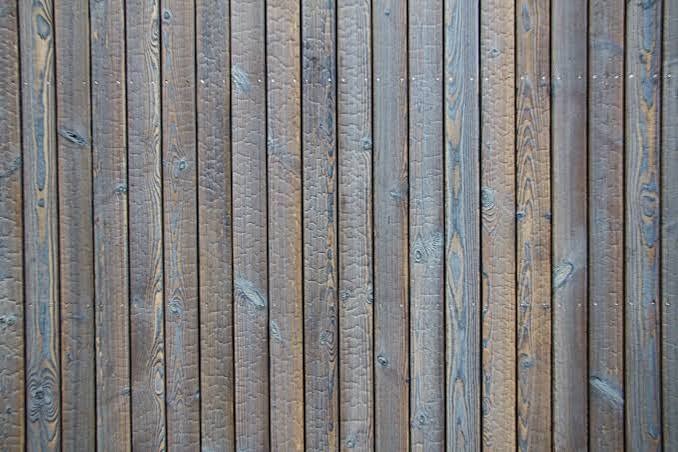
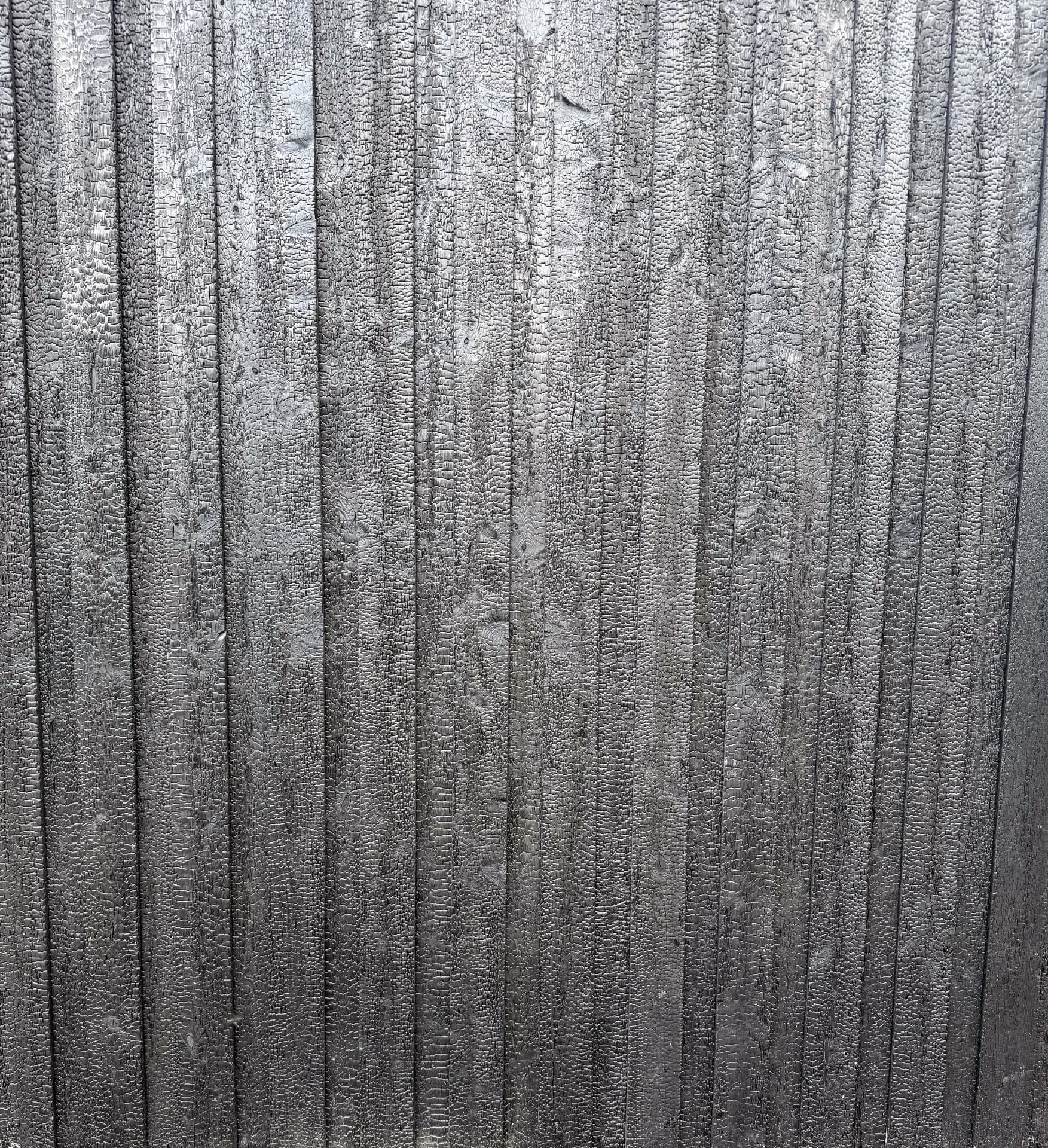
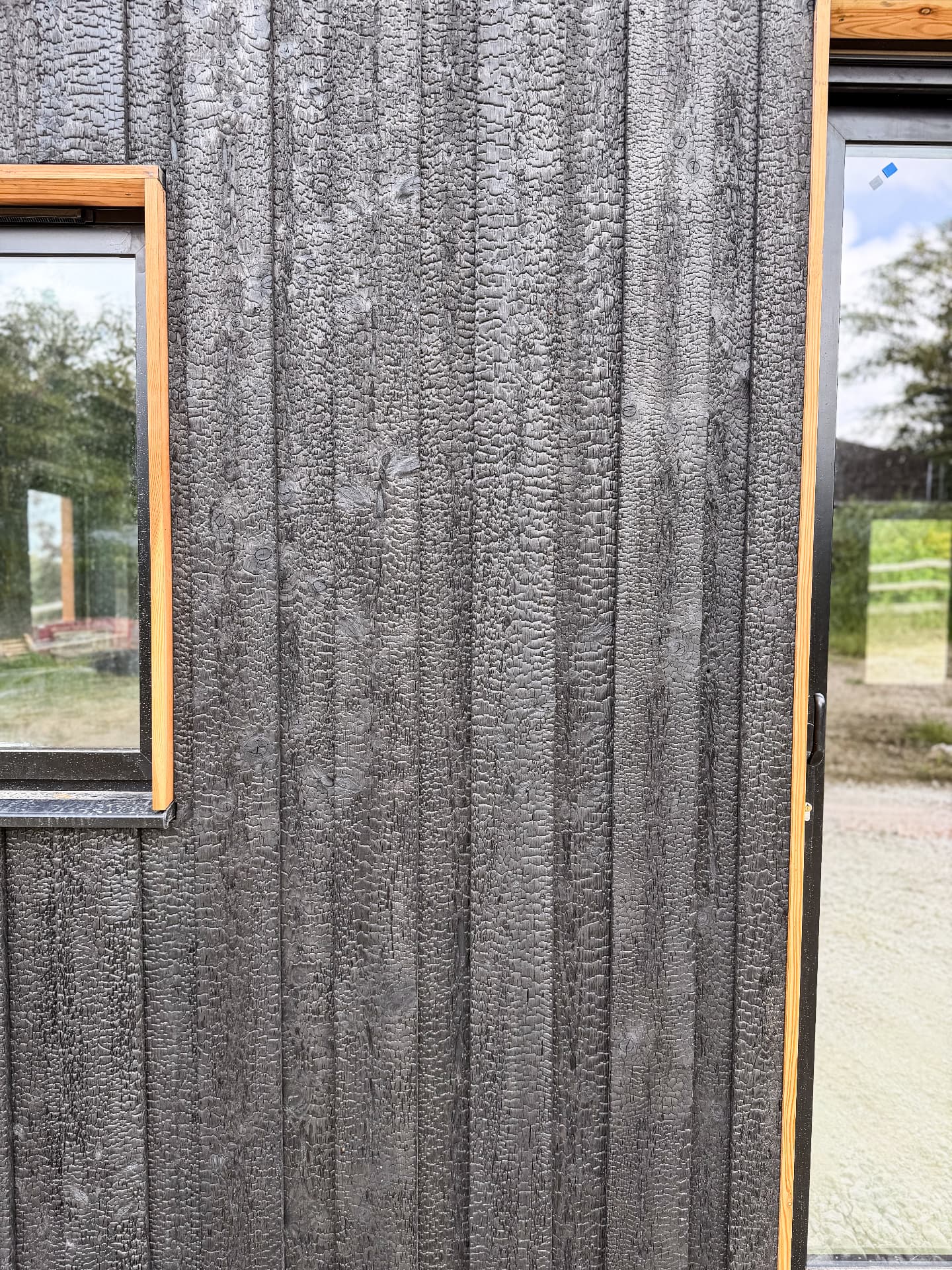
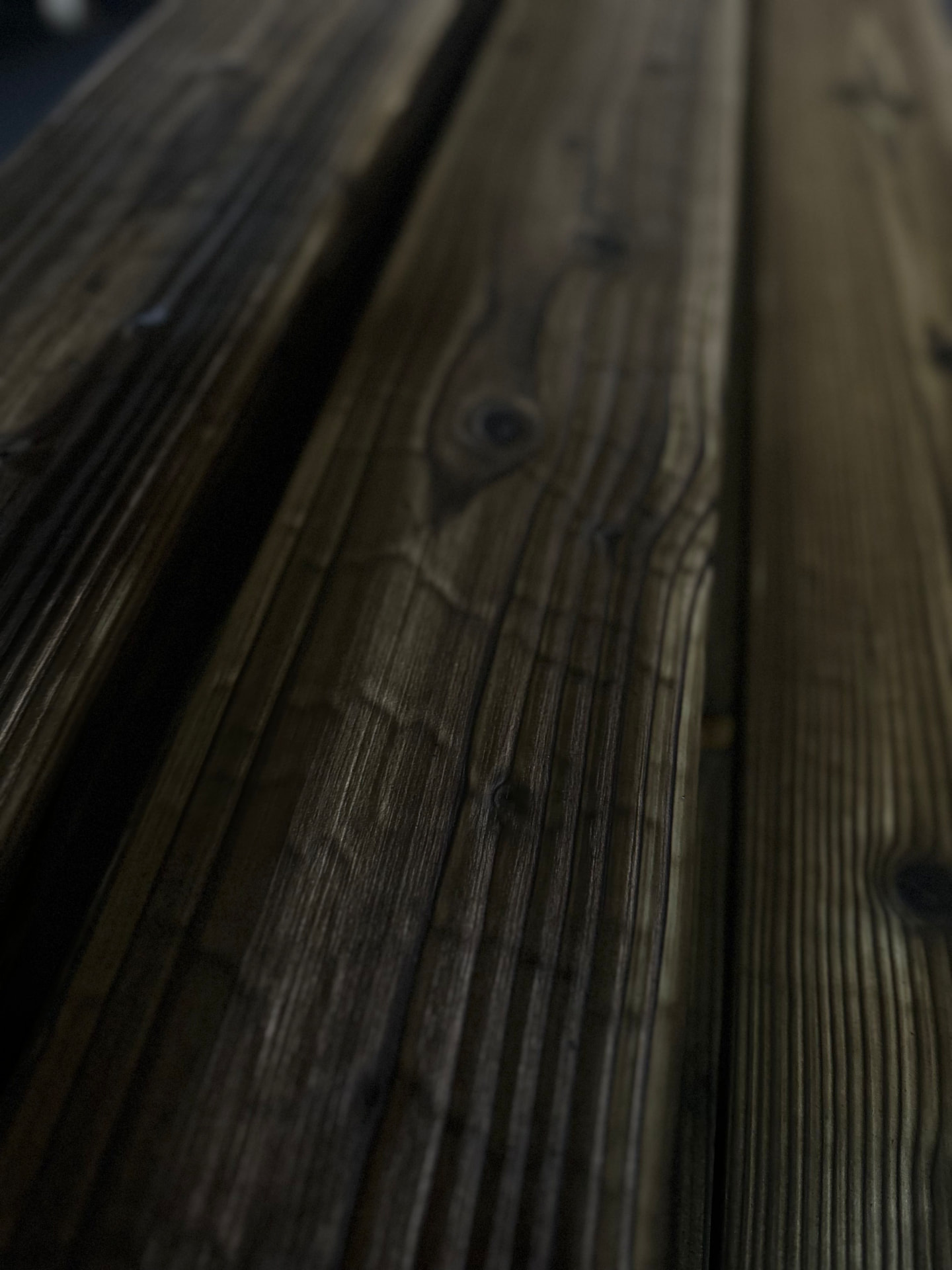
Controlled charring creates dark tones, visible grain and textured surfaces that range from subtle to dramatic appearances depending on the design. This allows architects to achieve a distinctive timber façade without relying solely on conventional paint or stains.
Long-Term Durability
Accoya’s documented durability makes it suitable for many demanding exterior applications when correctly specified. Its technical performance provides useful evidence for projects where long-term timber service is an important consideration. However, actual performance still depends on installation quality, exposure, detailing, and ongoing care.
Design Flexibility
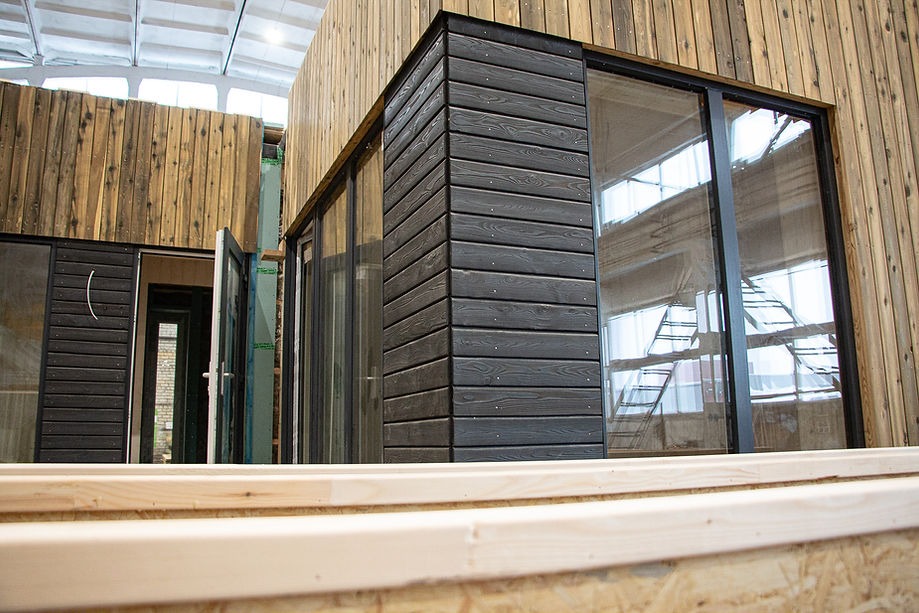
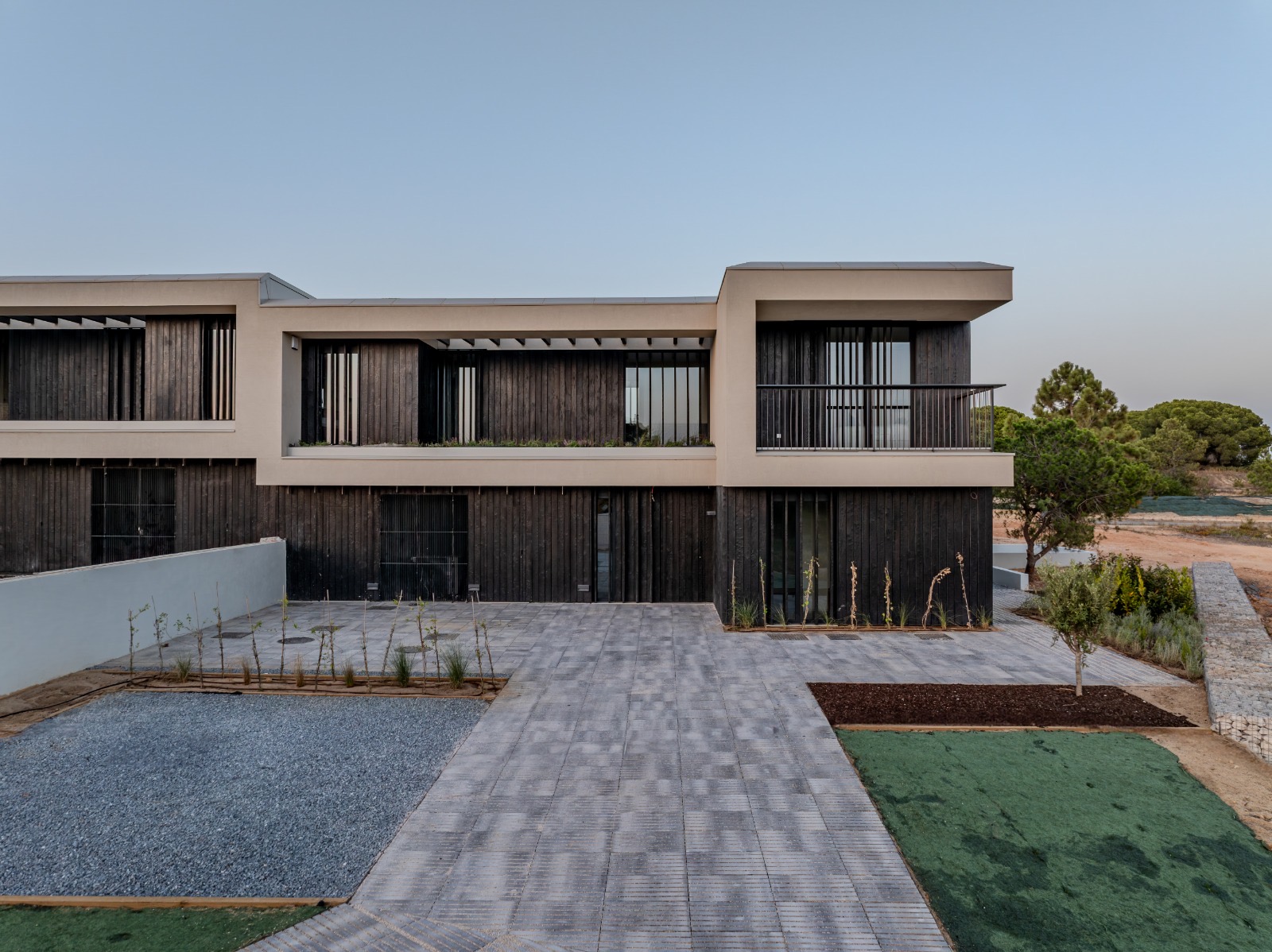
Charred timber can work alongside materials such as concrete, brick, stone, glass, and metal. This makes it suitable for modern homes, commercial buildings, extensions, garden structures, and selected architectural features.
Which Cladding Options Suit Buildings?
Charred Accoya cladding can be installed using different orientations, profiles, and design approaches. The appropriate option depends on building proportions, exposure, architectural style, and the desired visual effect.
| Cladding option | Best suited for | Visual effect |
|---|---|---|
| Vertical boards | Modern faced and extension | Creates stronger vertical line |
| Horizontal boards | Wider building elevations | Emphasises horizontal proportion |
| Features section | Entrances and selected walls | Adds focused visual contrast |
| Bespoke profile | Individual architectural design | Crates distinctive detailing |
Vertical Cladding
Vertical boards can make a building appear taller while creating clean, continuous architectural lines. They can work particularly well around entrances, extensions, narrow elevations, and contemporary residential designs.
Horizontal Cladding
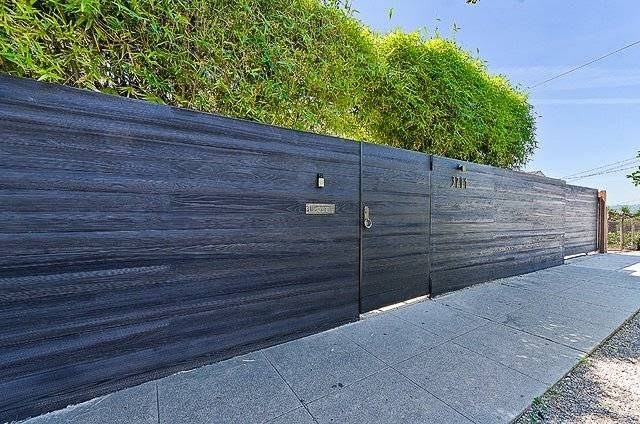
Horizontal boards can create a wider visual impression and provide a familiar timber-cladding appearance. Careful spacing, fixing, drainage, and joint detailing remain important for consistent exterior results.
Feature Cladding
A complete façade does not always need charred timber to create a strong architectural impact. Feature sections around entrances, balconies, gables, or selected walls can provide effective material contrast.
How Does Charred Timber Weather?
Exterior timber naturally changes when exposed to sunlight, rain, wind, and temperature variations. A charred surface can gradually change colour as ultraviolet exposure and weather affect the finished appearance. Some designers prefer this natural weathering because it allows timber to develop a softer, aged appearance. Other projects require darker colour retention, making an appropriate finishing system and maintenance plan more important.
Bauwn’s charred products are designed with the understanding that exterior wood can change naturally over time. Depending on exposure and finish, the charred surface may gradually develop lighter or greyer tones.
Maintenance requirements should always reflect the actual exposure and desired appearance rather than unrealistic maintenance-free expectations.
What Should Be Checked Before Specification?
Choosing charred Accoya cladding requires more than selecting a preferred colour from photographs. Project conditions should be assessed before confirming the timber profile, surface treatment, and installation details.
Important considerations include:
- Building orientation and expected exposure to sunlight and rainfall.
- Appropriate board profiles, fixing methods, ventilation, and drainage requirements.
- Desired charring level, brushing, texture, colour, and surface finish.
- Expected natural weathering and future maintenance requirements.
- Applicable fire, structural, planning, and building regulations.
- Manufacturer recommendations for processing, installation, finishing, and maintenance.
Bauwn’s production approach includes controlled charring, brushing, finishing, and quality checks for architectural timber applications. Using technical documentation alongside project-specific professional advice creates a stronger basis for specification.
Where Can Charred Accoya Work?
Charred Accoya cladding can suit projects where natural timber character needs to support a strong architectural concept.
Potential applications include:
- Contemporary residential facades require dark texture and natural material character.
- Commercial entrances where timber creates contrast against glass or masonry.
- Garden buildings require durable timber with distinctive visual appeal.
- Feature walls where smaller timber areas create focused architectural interest.
- Extensions where new materials need to complement existing building elements.
Bauwn provides charred timber applications for cladding, interiors, decking, fencing, and bespoke architectural requirements.
Is Accoya Worth Considering?
Accoya is worth considering when a project requires stable timber with strong durability and distinctive surface possibilities. Its documented technical performance provides useful evidence for architects comparing different exterior timber options. Controlled charring then adds texture and colour, creating a surface with a distinctive architectural identity.
However, the final specification should always consider exposure, installation, drainage, ventilation, finish, and future maintenance. Material selection works best when technical performance and architectural appearance are considered together.
Frequently Asked Questions
Is Accoya suitable for Shou Sugi Ban?
Yes, Accoya can be suitable for controlled charring when the timber and complete cladding system are properly specified.
What is Shou Sugi Ban Accoya?
Shou Sugi Ban Accoya combines acetylated Accoya timber with a controlled charred surface treatment. The process creates distinctive texture and colour while retaining the underlying timber’s performance characteristics.
Does charred timber require maintenance?
Maintenance depends on exposure, surface finish, installation quality, and whether the original appearance needs preservation. Natural weathering can change the surface colour, making periodic inspection and suitable maintenance important.
Can Accoya be used for exterior cladding?
Yes, Accoya is widely specified for exterior applications including façades, siding, windows, doors, and decking.
How should charred timber be specified?
Specification should consider timber performance, profile, exposure, fixing systems, ventilation, drainage, finishing, and maintenance.
Final Words
Choosing timber for exterior architecture requires more than selecting an attractive colour or surface texture. Accoya provides a stable and durable foundation, while controlled charring creates distinctive architectural character.
For suitable projects, Shou Sugi Ban Accoya can balance technical performance with a natural, textured appearance.
Bauwn combines carefully selected timber with controlled finishing methods for distinctive architectural timber applications.
A considered specification can help the finished façade perform reliably while developing attractive character through natural weathering.
Start With The Right Timber Specification
Planning a charred timber facade? Discuss your project requirements with Bauwn, including the timber type, profile, charring level, finish, and installation approach. Our team can help you identify suitable architectural timber alternatives for your project.