Why Charred Timber Cladding Is Transforming Modern Facade Design
By BAUWN·7 September 2026·6 min read
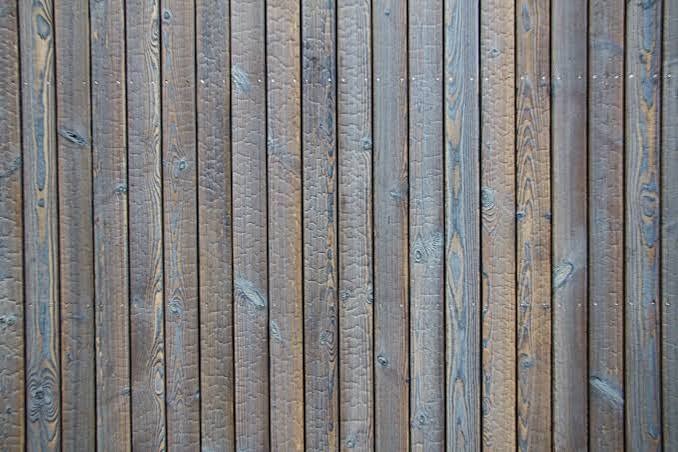
Everything may be altered by a building's front, which provides the initial impression before anybody enters the structure. Materials that deliver character, durability, and natural beauty without appearing fake or unremarkable are becoming more and more sought after by modern architects. For this reason, charred timber cladding has emerged as a potent option for modern residences and commercial structures.
The material creates facades with exceptional depth and individuality while fusing modern architecture with traditional workmanship. Charred wood displays the inherent grain, texture, and diversity that give each structure a unique feel, in contrast to painted surfaces. Planners are discovering new applications for this amazing material, ranging from major commercial structures to simple residences.
The growing interest in charred Japanese wood also shows how traditional techniques continue influencing modern architectural decisions. At Bauwn, we see how carefully treated timber can help designers create facades that remain visually powerful for years.
Fire Creates A Distinctive Surface
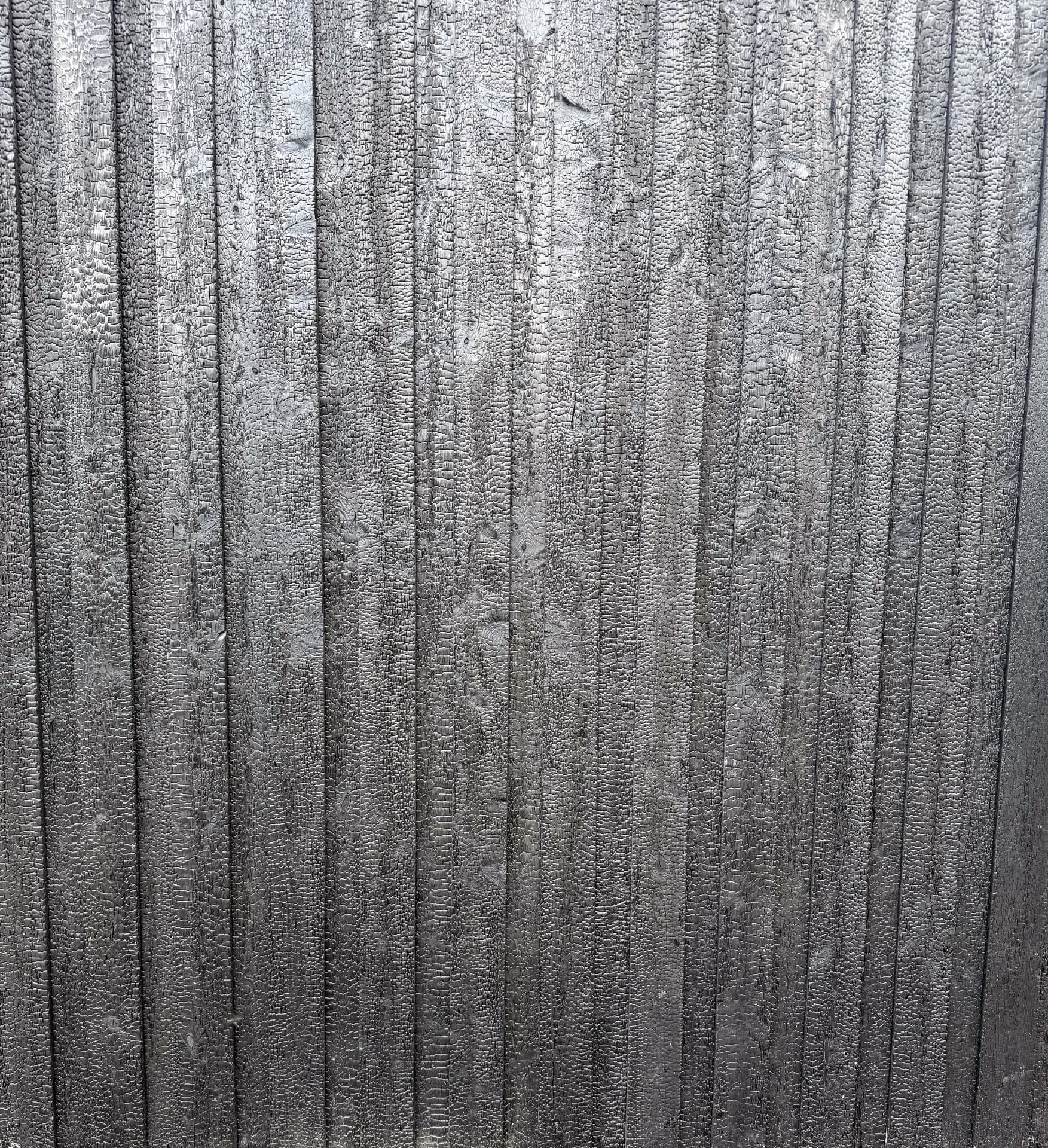
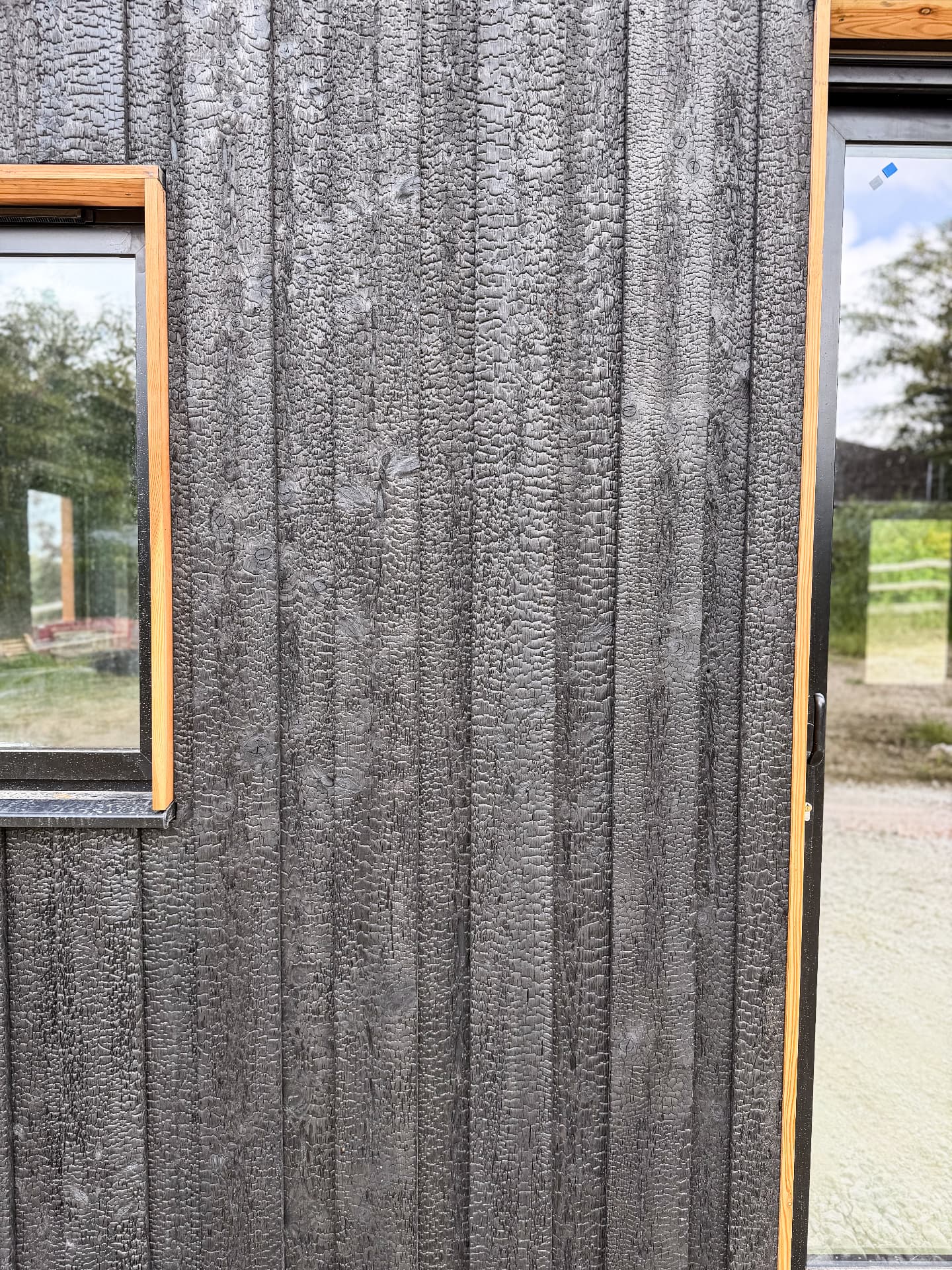
The transformation begins with controlled heat, which changes the timber surface and creates its distinctive carbonised appearance. This traditional approach comes from Japanese wood-charring techniques that have influenced architectural timber design for centuries. The charring process does much more than simply turn wood black or create a dramatic exterior appearance.
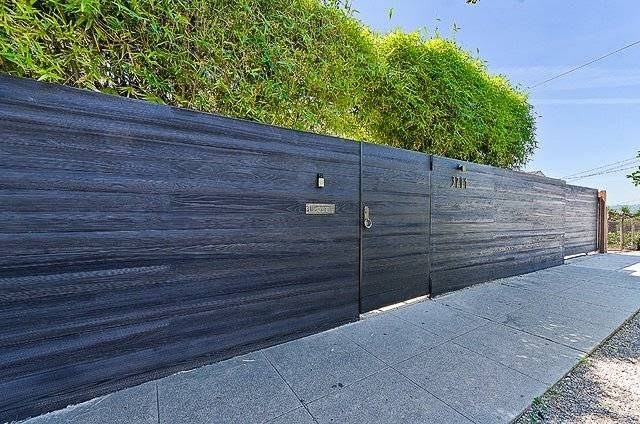
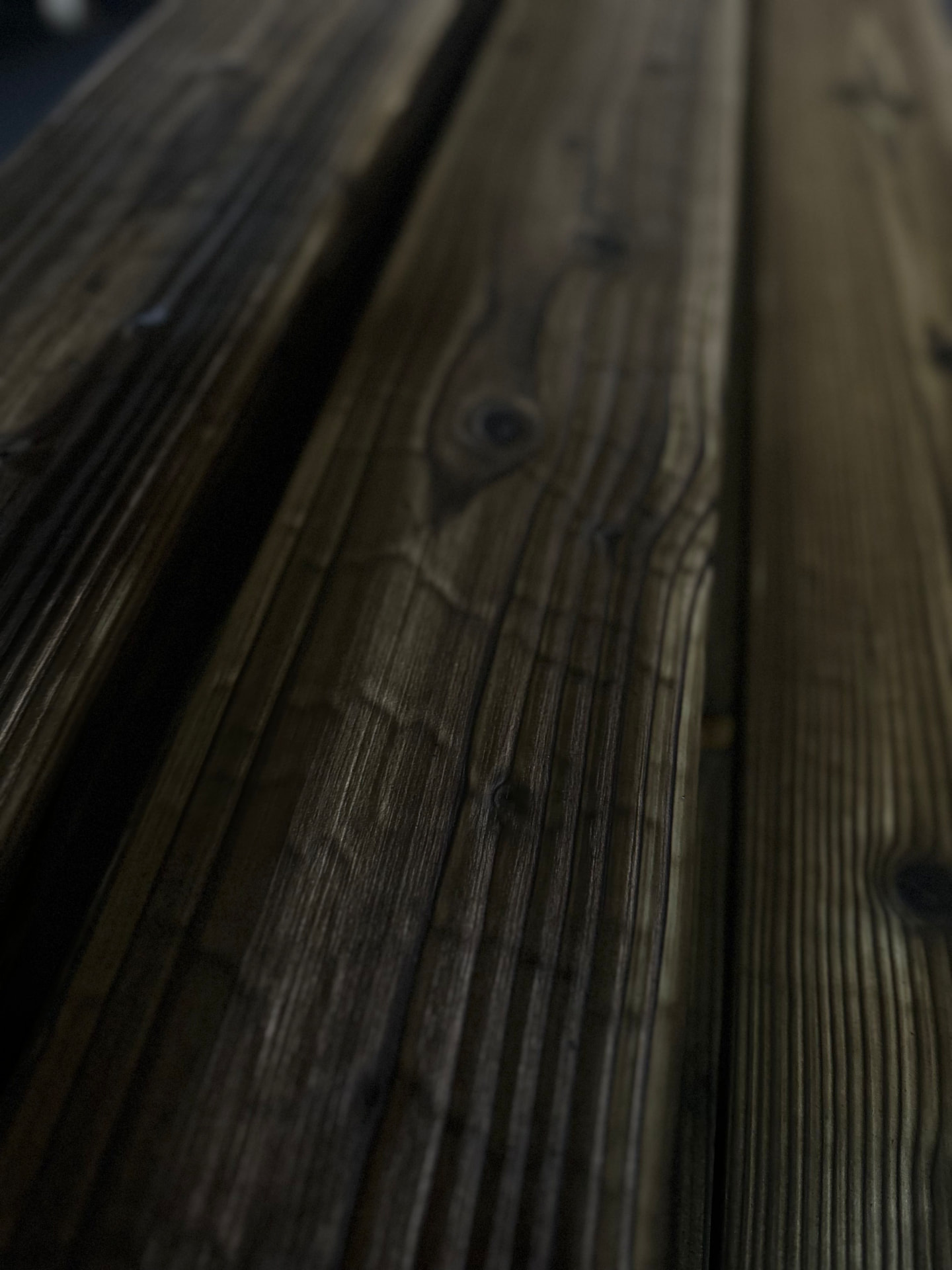
It highlights the natural grain while producing textures that painted boards and synthetic materials cannot easily replicate. Depending on timber species and finishing methods, surfaces can appear deeply black, softly textured, or naturally weathered. This variety gives architects greater freedom when designing buildings with strong visual identities and natural material character. Charred Japanese wood is especially admired because its appearance changes beautifully as sunlight moves across the surface. The same effect gives a charred wood fence its remarkable presence outdoors.
The result feels alive rather than flat, helping large facades maintain visual interest throughout different times.
| Facade Feature | Charred Timber Surface | Painted Surface |
|---|---|---|
| Natural texture | Strong and visible | Often smooth |
| Visual variation | Unique between boards | Usually uniform |
| Architectural depth | Changes with light | Can appear flat |
| Natural character | High | Frequently reduced |
Modern Facades Need More Character
Many modern buildings create traditional structural shapes using glass, steel, concrete, and simple basic lines. These elements, however, may occasionally create the illusion that an exterior is cold, boring, or isolated from surroundings. Wood adds warmth, and burning gives it a deeper, more refined design shape.
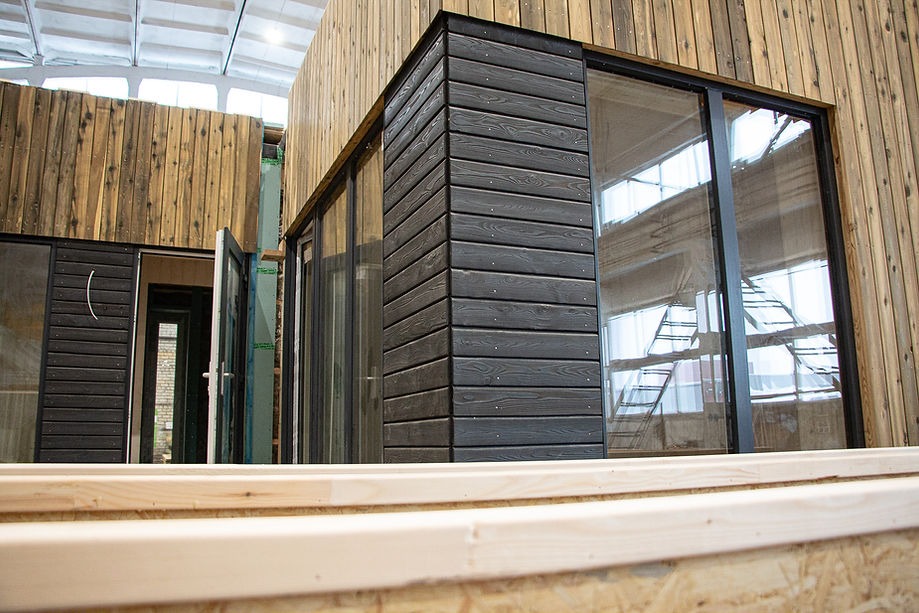
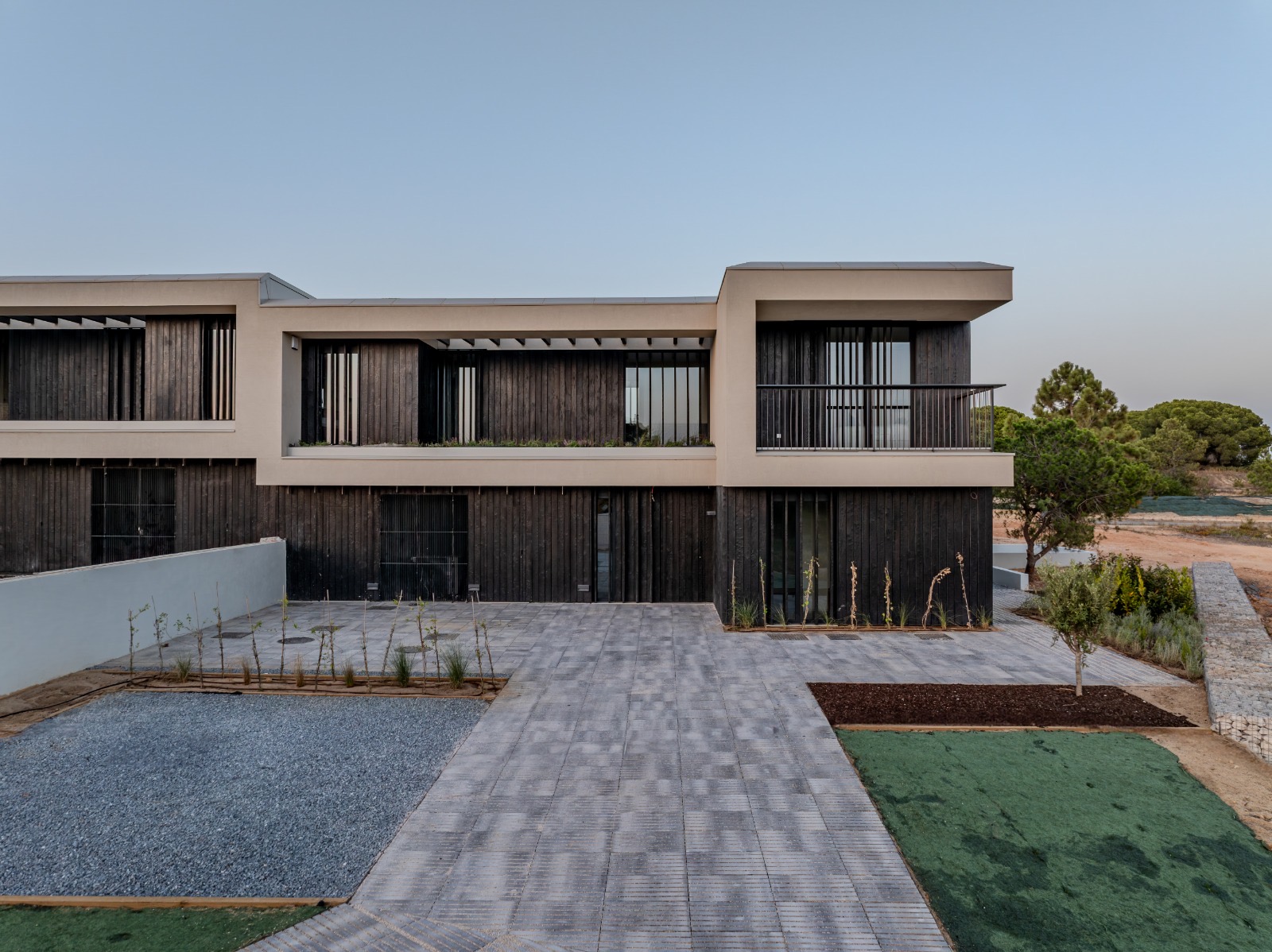
This is one reason charred wood cladding works particularly well beside concrete, stone, glass, and metal. The dark surface creates contrast without requiring unnecessary decoration or complicated architectural details across the building. Architects can use it across entire facades or selectively around entrances, feature walls, and upper sections. The material supports minimalist architecture because texture itself becomes an important part of the overall visual design.
Instead of adding decoration, designers can allow natural grain and surface variation to create architectural interest.
Texture Changes How Buildings Feel
A facade is not experienced only from a distance; people notice its texture when approaching the building. This human experience matters because materials can influence whether architecture feels welcoming, dramatic, natural, or refined. Charred surfaces respond differently to sunlight, shadows, rain, and surrounding landscaping throughout the changing seasons. During bright conditions, the grain can reveal subtle details that remain hidden on completely smooth surfaces.
In darker weather, the surface can create stronger depth and a more dramatic visual presence for buildings. Charred timber cladding therefore gives designers something valuable: a material with both visual simplicity and natural complexity. Each board can contribute slightly different patterns, preventing large exterior walls from appearing completely repetitive or lifeless. That natural variation is difficult to achieve with many factory-made materials designed for perfect uniformity.
Traditional Craft Supports Modern Performance
The historical Japanese method is often associated with Yakisugi and the careful charring of timber surfaces. Modern production can apply controlled processes to achieve more consistent finishes suitable for architectural applications. The process generally involves carefully charring the timber before cleaning, brushing, and applying suitable finishing treatments. At Bauwn, controlled production methods help achieve consistent textures while maintaining the natural character of every timber board.
The quality of the base timber also matters because different species create different textures, stability, and finished appearances. This means architects should consider the complete material system rather than choosing cladding based only on colour. A good facade decision considers timber species, profile, installation, exposure, maintenance expectations, and the desired final appearance. That practical approach helps ensure the finished project performs as well as it looks.
Key Factors Before Choosing Cladding
- Consider the building's climate and weather exposure before selecting the timber species and finish.
- Choose a profile that supports the architectural style and intended direction of installation.
- Think about how sunlight will affect the appearance of the selected surface texture.
- Plan proper installation details to support ventilation and long-term material performance.
- Request material samples before making final decisions for larger architectural projects.
Dark Timber Creates Strong Contrast
In order to clearly highlight outlines, entrances, and other architectural aspects, modern facade design frequently relies on contrast. Strong limits and lighter elements can be framed by dark wood without overpowering the entire design. For instance, a black textured surface next to light concrete might enhance the visual appeal of both materials.
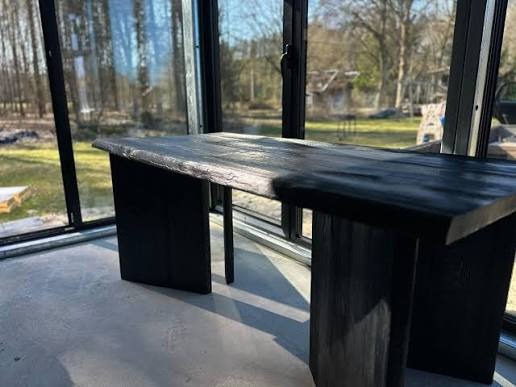
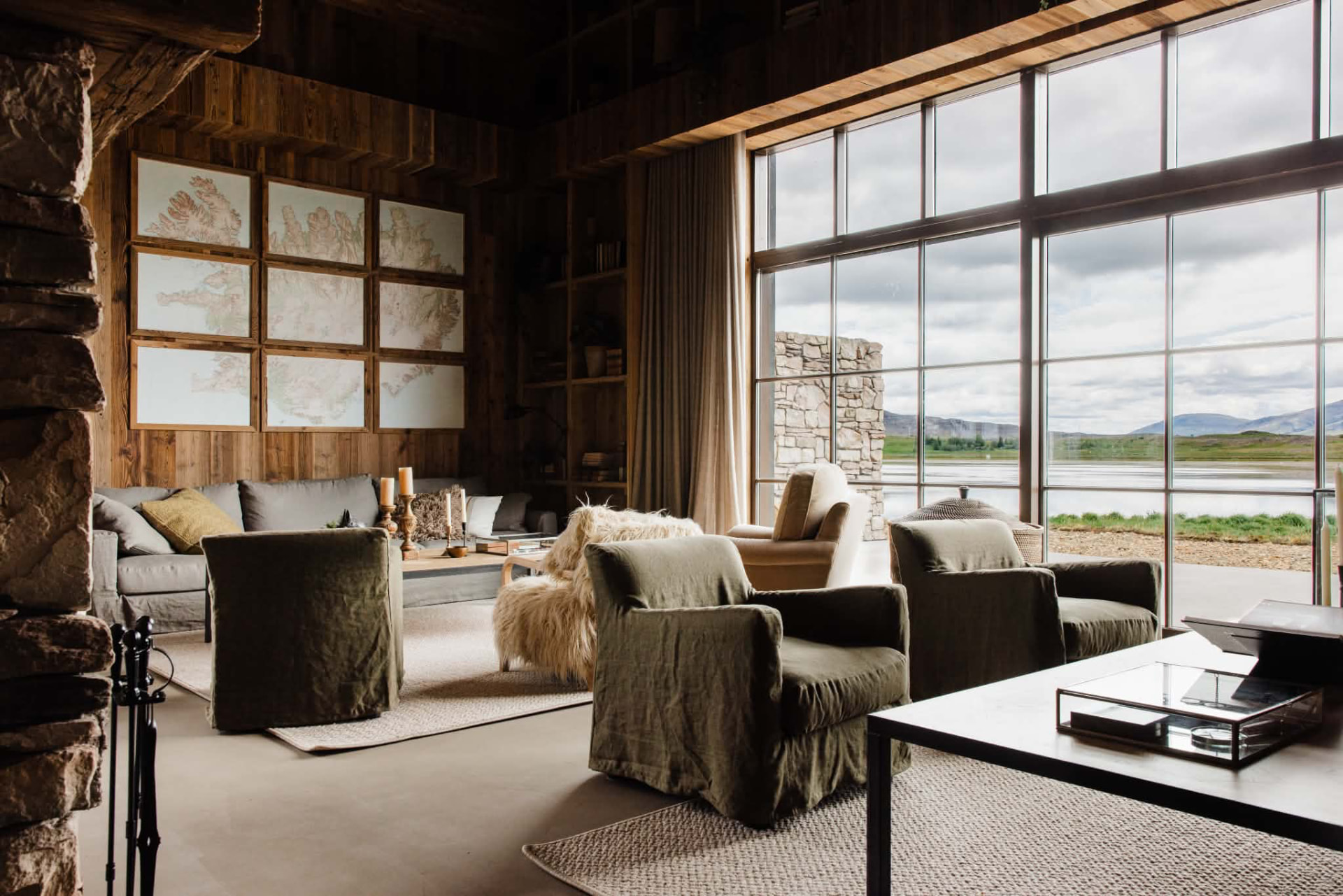
Glass facades can also benefit because natural timber introduces warmth beside reflective and highly polished surfaces. Charred wood cladding gives designers flexibility because it works with both bold contemporary buildings and simpler traditional structures. It can cover an entire building, define one feature wall, or connect exterior elements across different spaces. The same design language can continue through fences, garden structures, interiors, and other architectural features.
This continuity helps a property feel carefully planned rather than built from unrelated materials and finishes.
Why Architects Choose Charred Timber
The growing popularity of charred timber cladding is connected to both practical requirements and stronger design expectations. Architects want materials that can perform reliably while also giving buildings a memorable and authentic appearance.
The following qualities explain why the material continues attracting attention across residential and commercial architecture.
- Natural textures add depth without requiring additional decorative materials or complicated facade elements.
- Dark finishes create strong contrast with concrete, glass, stone, metal, and surrounding green landscapes.
- Each timber board offers natural variation that gives facades a more authentic appearance.
- Different profiles allow designers to create vertical, horizontal, modern, or traditional architectural expressions.
- Carefully selected finishes can support long-term performance when matched with suitable installation practices.
The material is not simply a design trend because it connects appearance, craftsmanship, and practical architectural considerations.
Final Words
Modern architecture needs materials that do more than simply cover a building and protect its structural surfaces. It needs materials that create identity, connect with natural surroundings, and remain visually interesting over time. Charred timber cladding meets those expectations by combining deep texture, natural variation, and strong architectural character. Its ability to work alongside concrete, glass, stone, and steel makes it suitable for many modern facade concepts.
At Bauwn, we help architects and property owners turn timber into meaningful architectural surfaces. The best facade begins with the right material decisions, thoughtful details, and a clear understanding of design goals.
Ready to give your facade a stronger architectural identity? Request timber samples and see how real texture transforms your design vision.
Frequently Asked Questions
What Makes Charred Timber Cladding Unique?
Charred timber cladding combines natural wood grain with a dark textured finish created through controlled charring techniques. This creates visual depth and variation that many painted, synthetic, or completely uniform facade materials cannot provide.
Is Charred Wood Suitable Outdoors?
Yes, carefully selected and properly installed charred timber can be suitable for many exterior architectural applications. The right timber species, finish, installation method, and environmental conditions should always guide the final selection.
Does Charred Wood Require Maintenance?
Maintenance requirements depend on the timber species, finish, climate, exposure, and the appearance expected over time. Property owners should discuss suitable cleaning and maintenance recommendations with their chosen timber supplier before installation.
Can Charred Cladding Suit Modern Homes?
Yes, charred wood cladding works particularly well with modern architecture because it adds warmth and texture. It creates attractive contrast beside glass, concrete, metal, and stone while supporting clean architectural lines.
Why Should Designers Request Timber Samples?
Samples allow designers to examine the real colour, grain, texture, and finish before making important material decisions. They also show how different surfaces may work with surrounding materials, lighting conditions, and architectural design concepts.