SHOU SUGI BAN / ACCOYA®

Charred Accoya® Cladding

Accoya® is acetylated softwood: dimensionally stable, exceptionally durable and almost indifferent to moisture. Charred, it becomes the most technically dependable façade board we make - the one specified when movement and long service life matter more than budget.

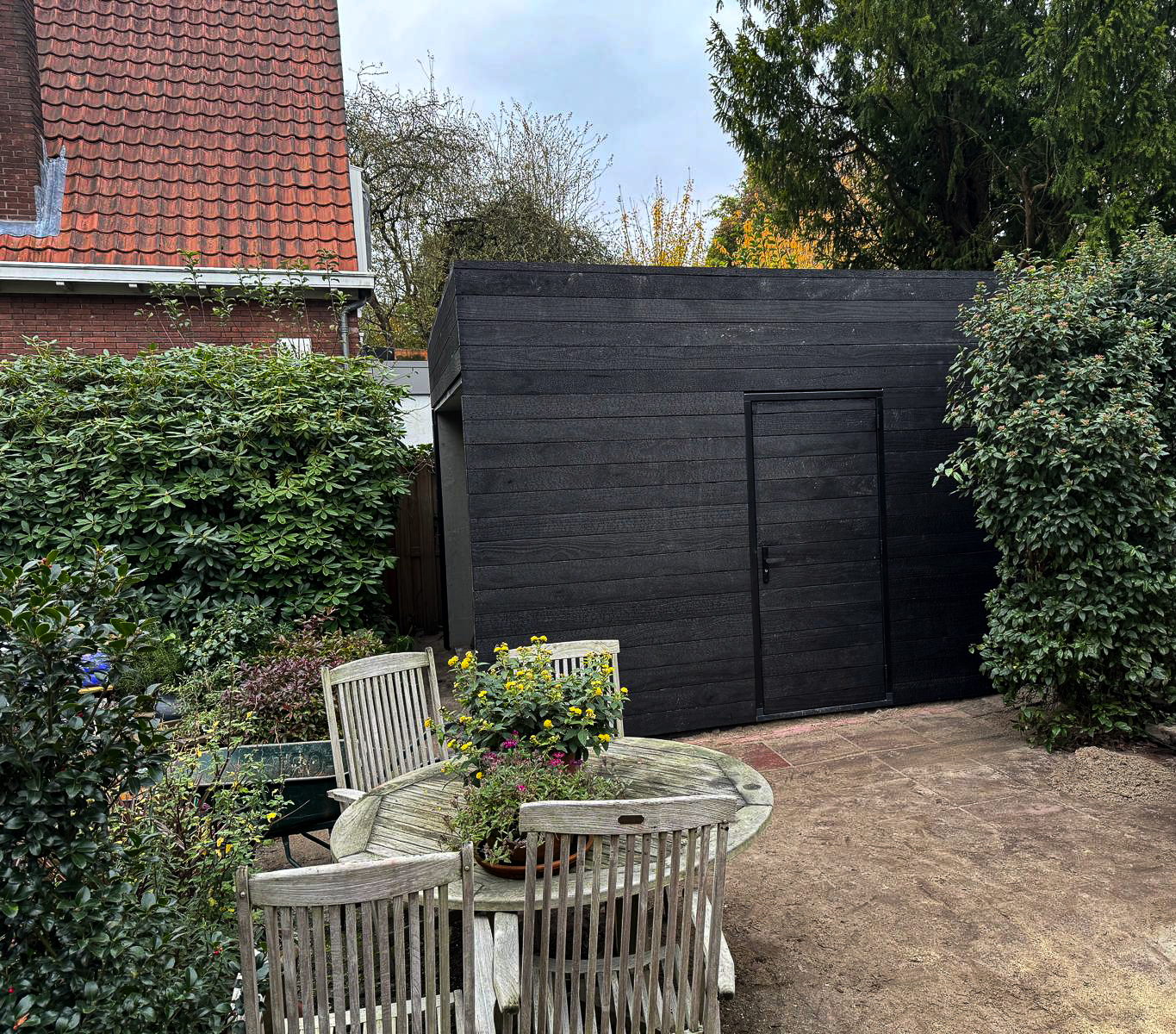
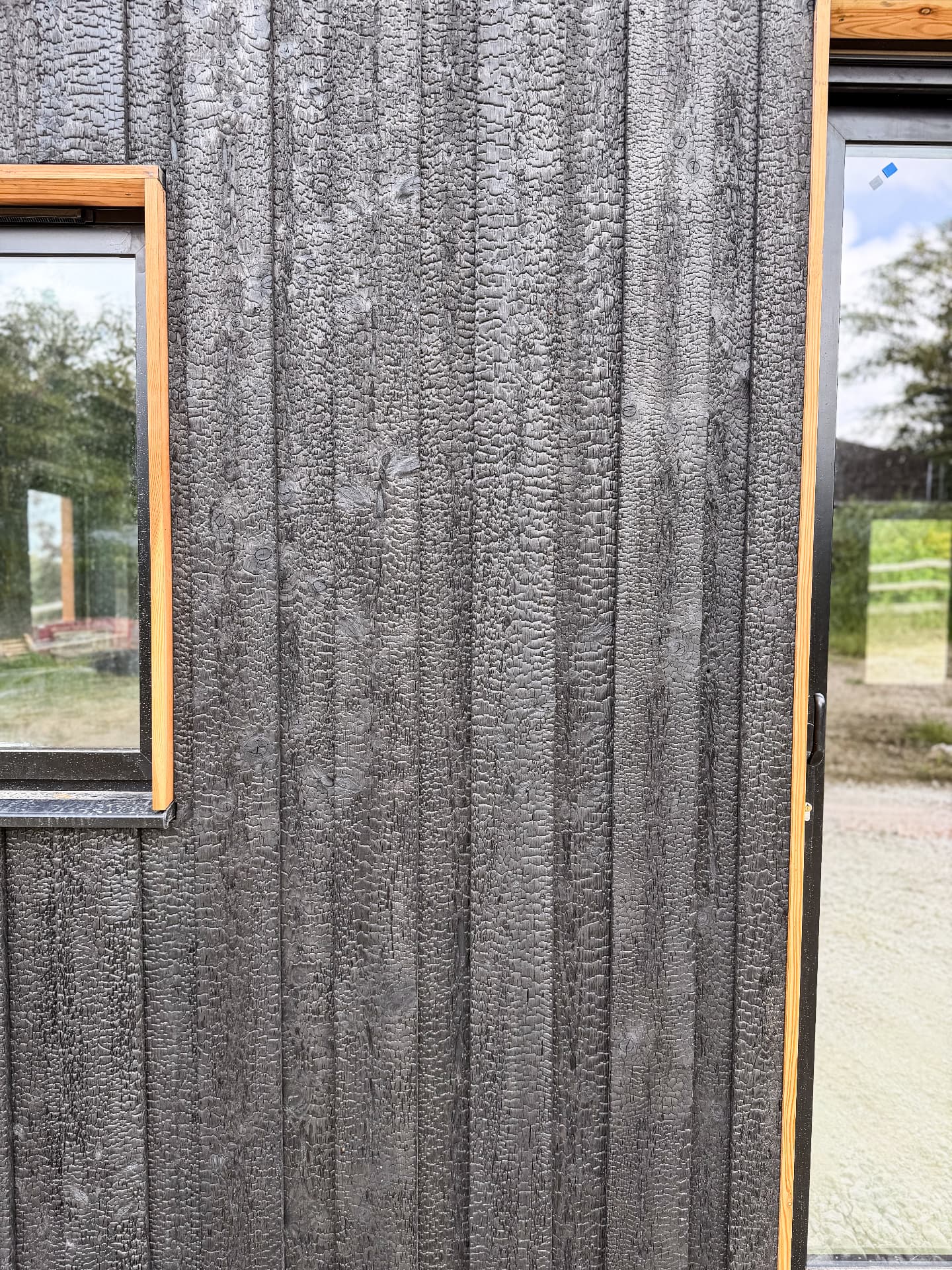
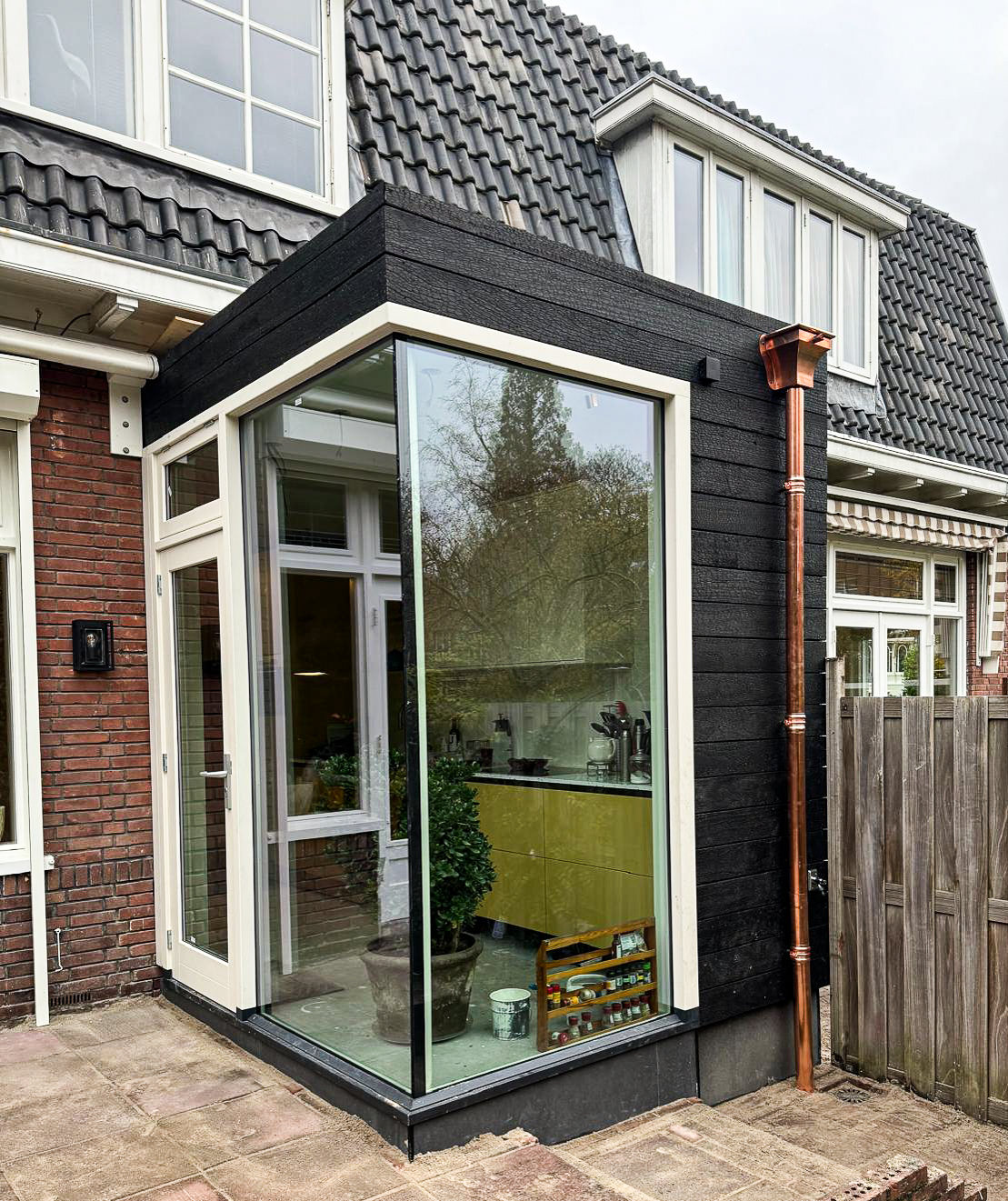
House extension in KAEN Carbon charred Accoya, Dordrecht

The timber

Accoya®

Visual character and grain

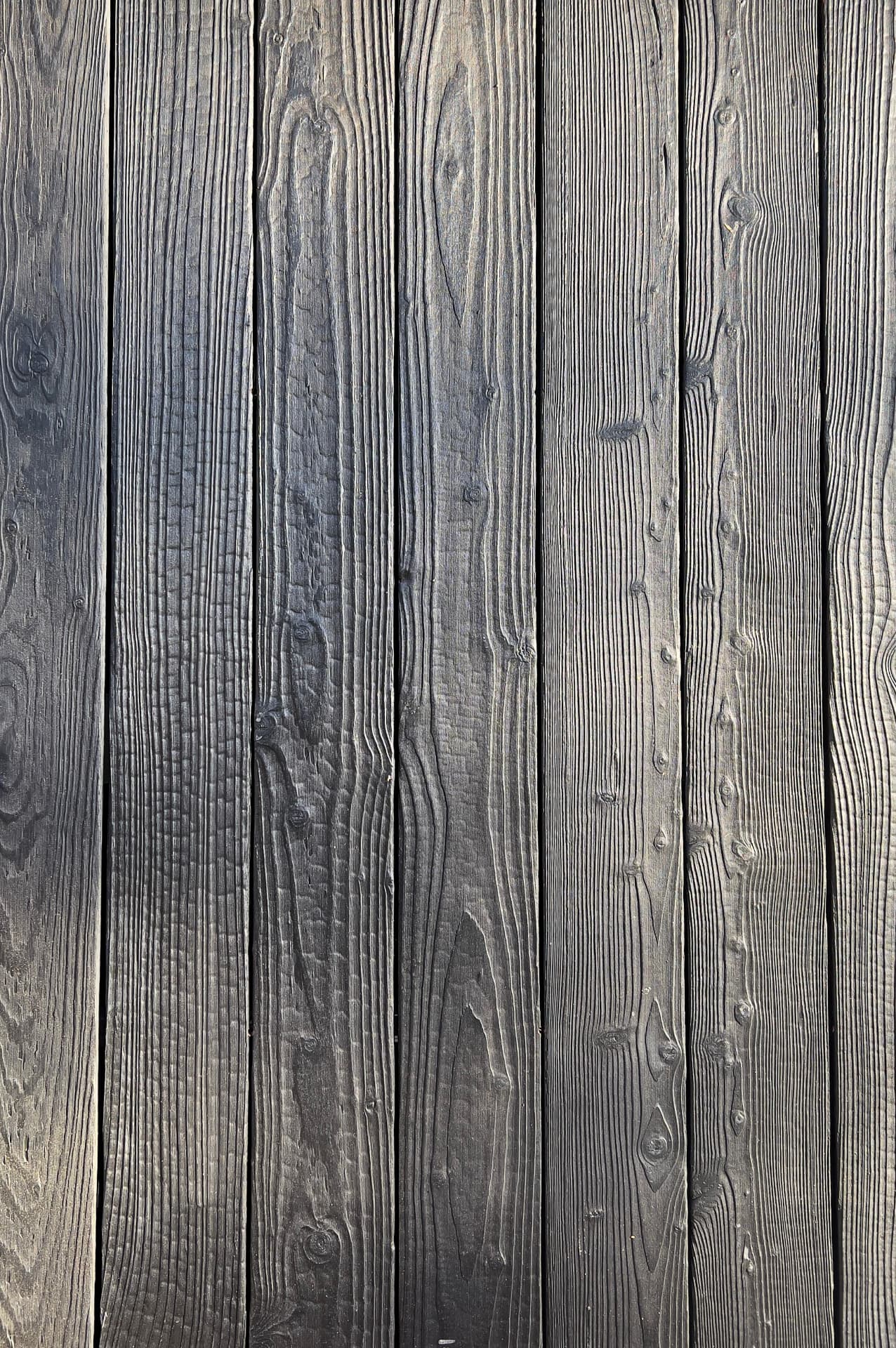
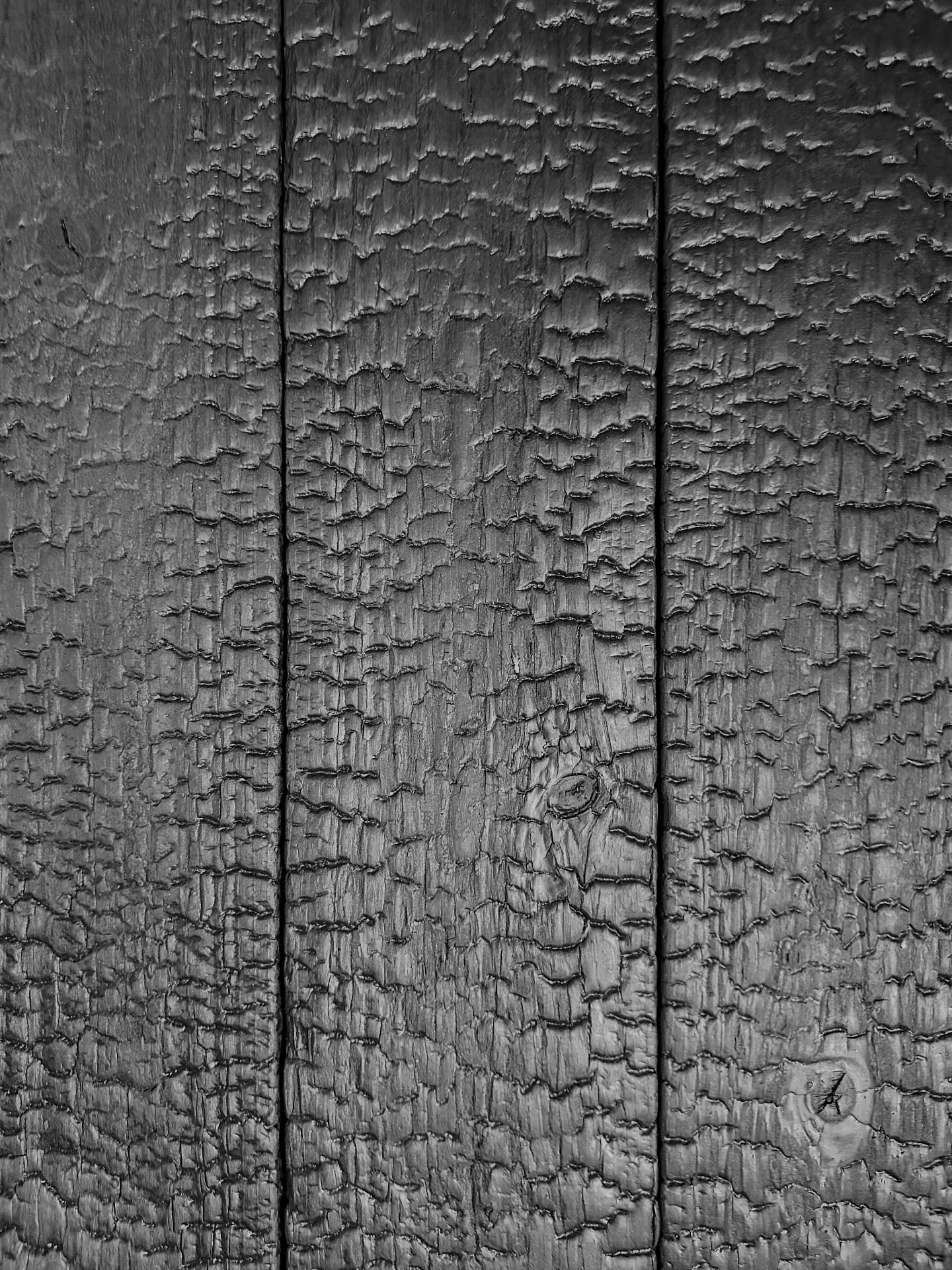
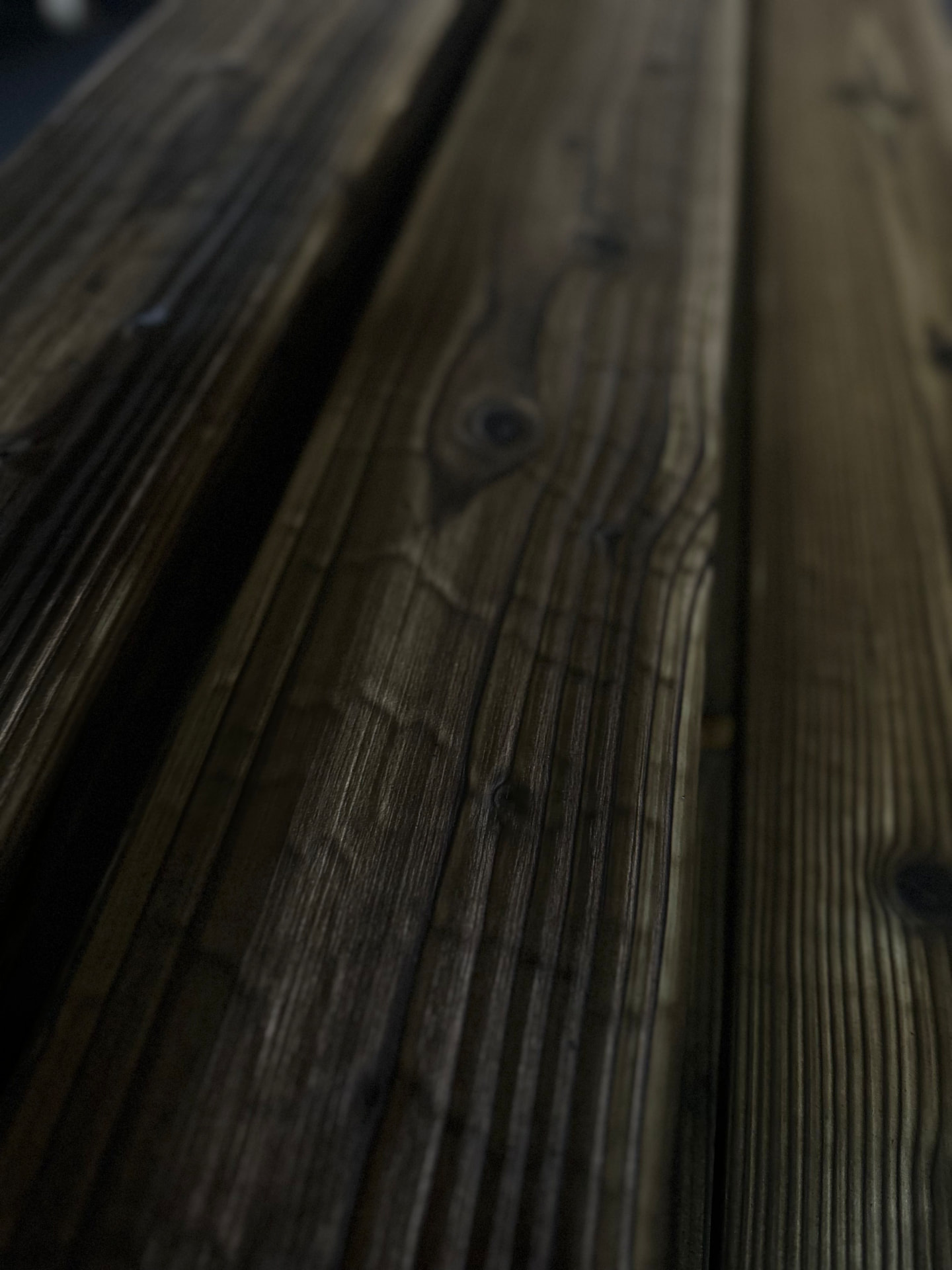
Accoya® starts as a pale, clean, low-knot softwood with a straight and fairly uniform grain. It has less drama than larch before charring, and more consistency: boards match one another closely, which shows on a large flat elevation.
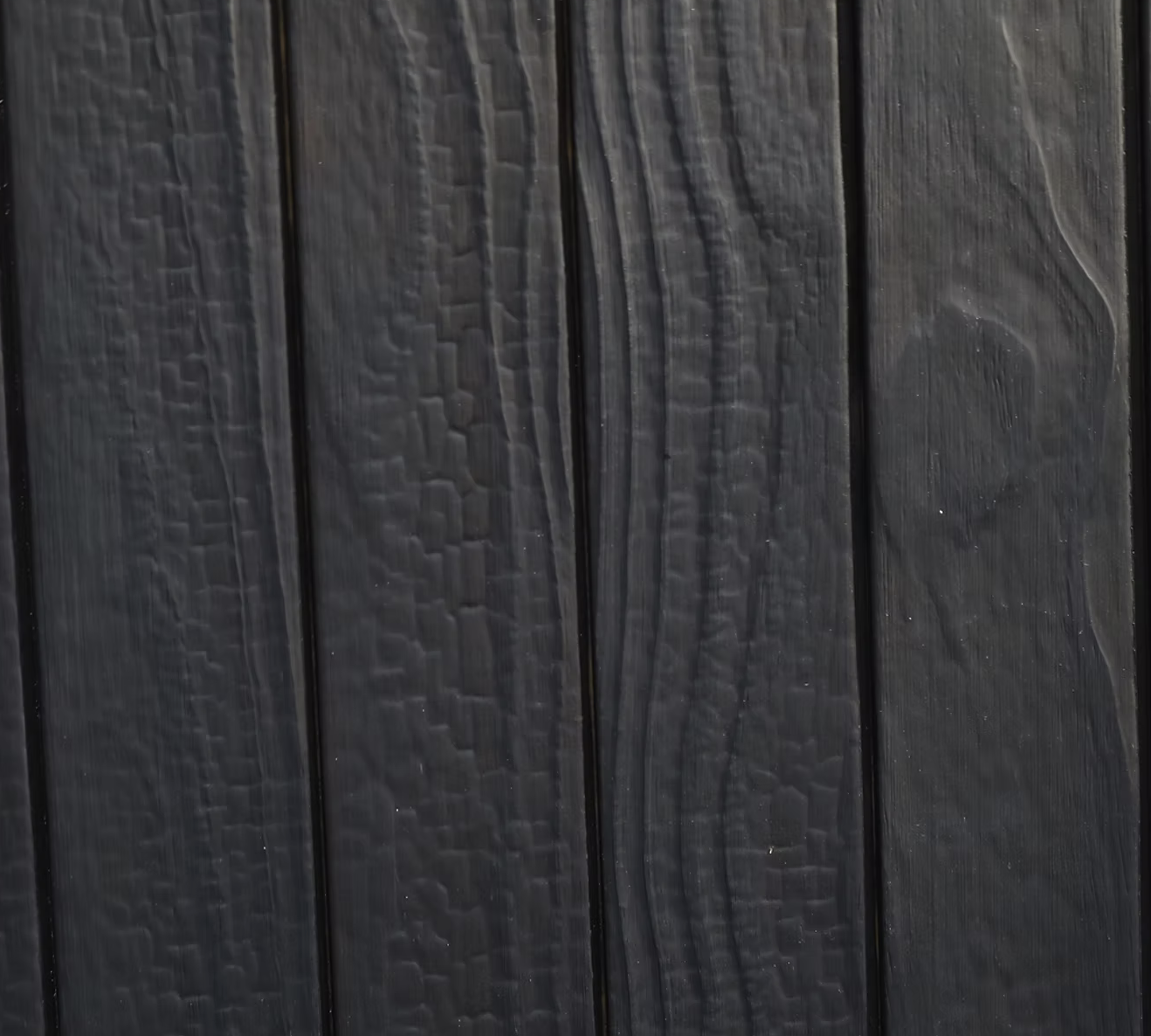
How it responds to charring and brushing

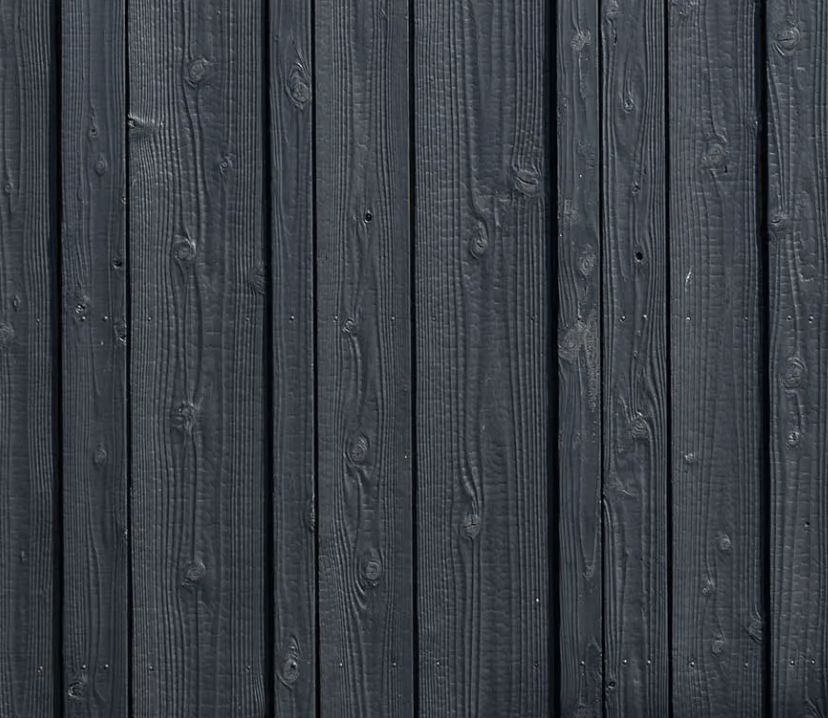
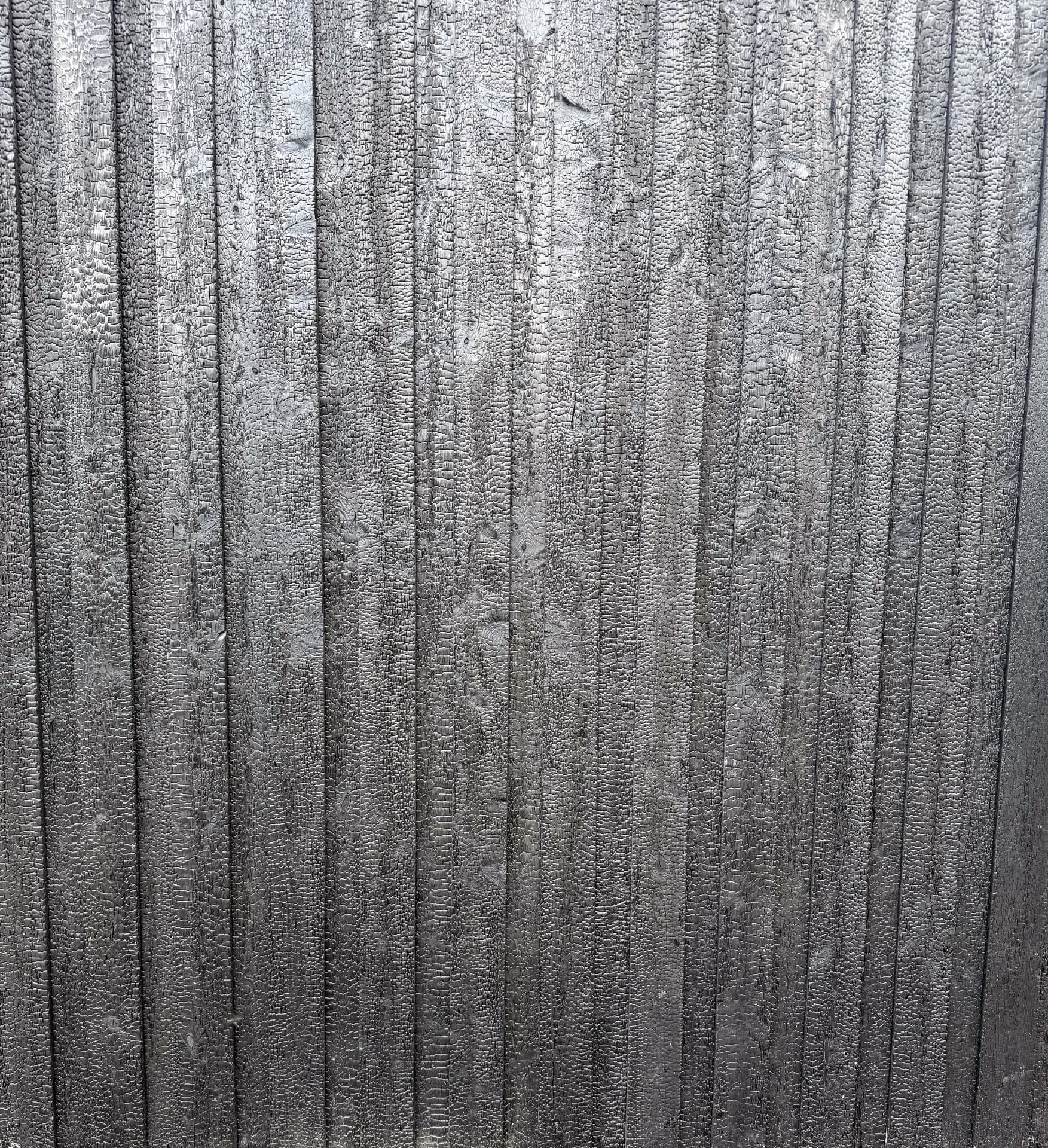
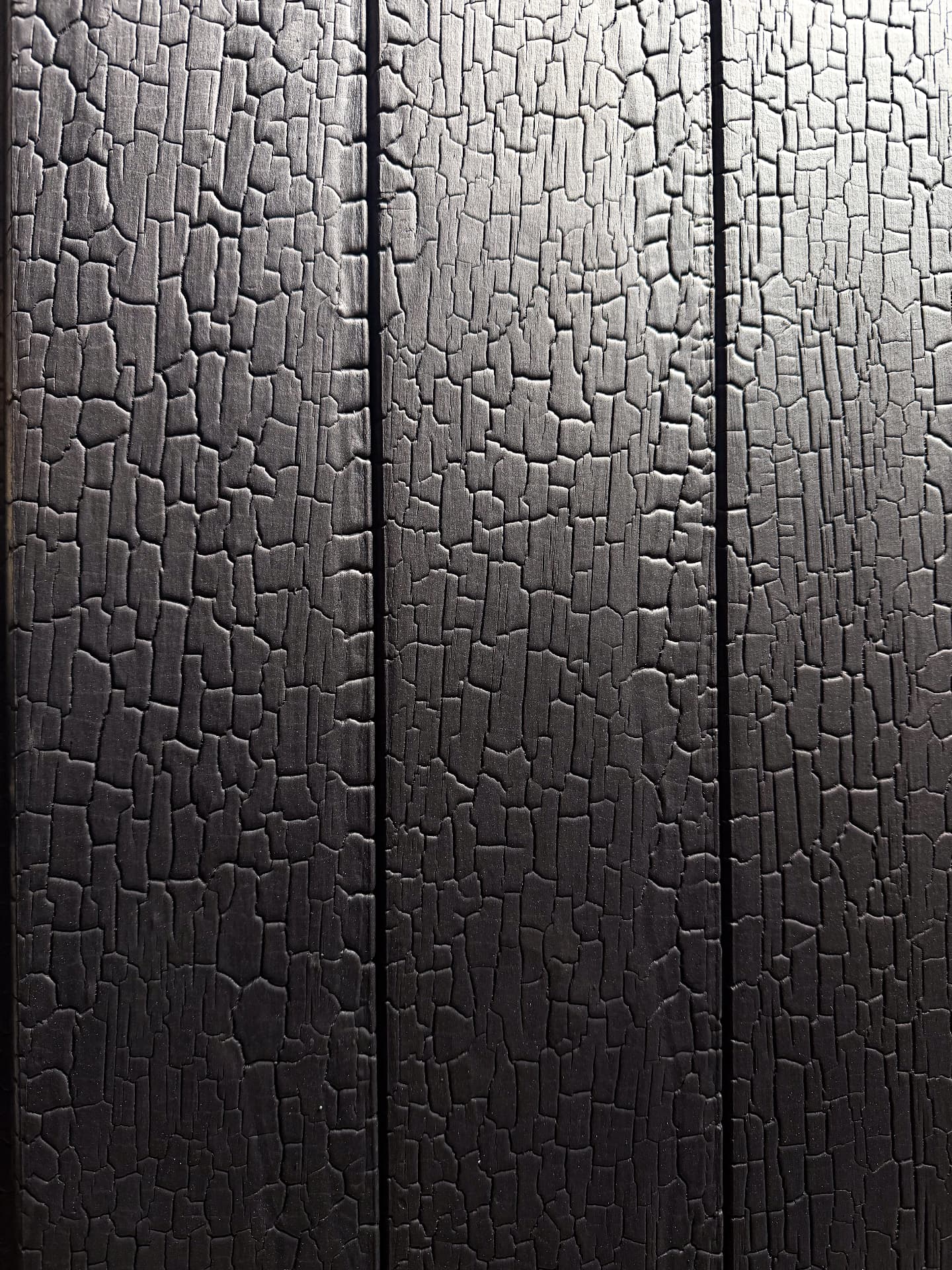
Acetylation changes how the cell walls hold water, and that carries through the burn: the carbon layer forms evenly and stays put, and the board barely moves afterwards. KAEN Carbon on Accoya® is therefore the most stable preserved-carbon surface in the range. Brushed for KIME Black, the grain is finer and more regular than larch - a quieter texture with the same technical backing.

Where we specify it

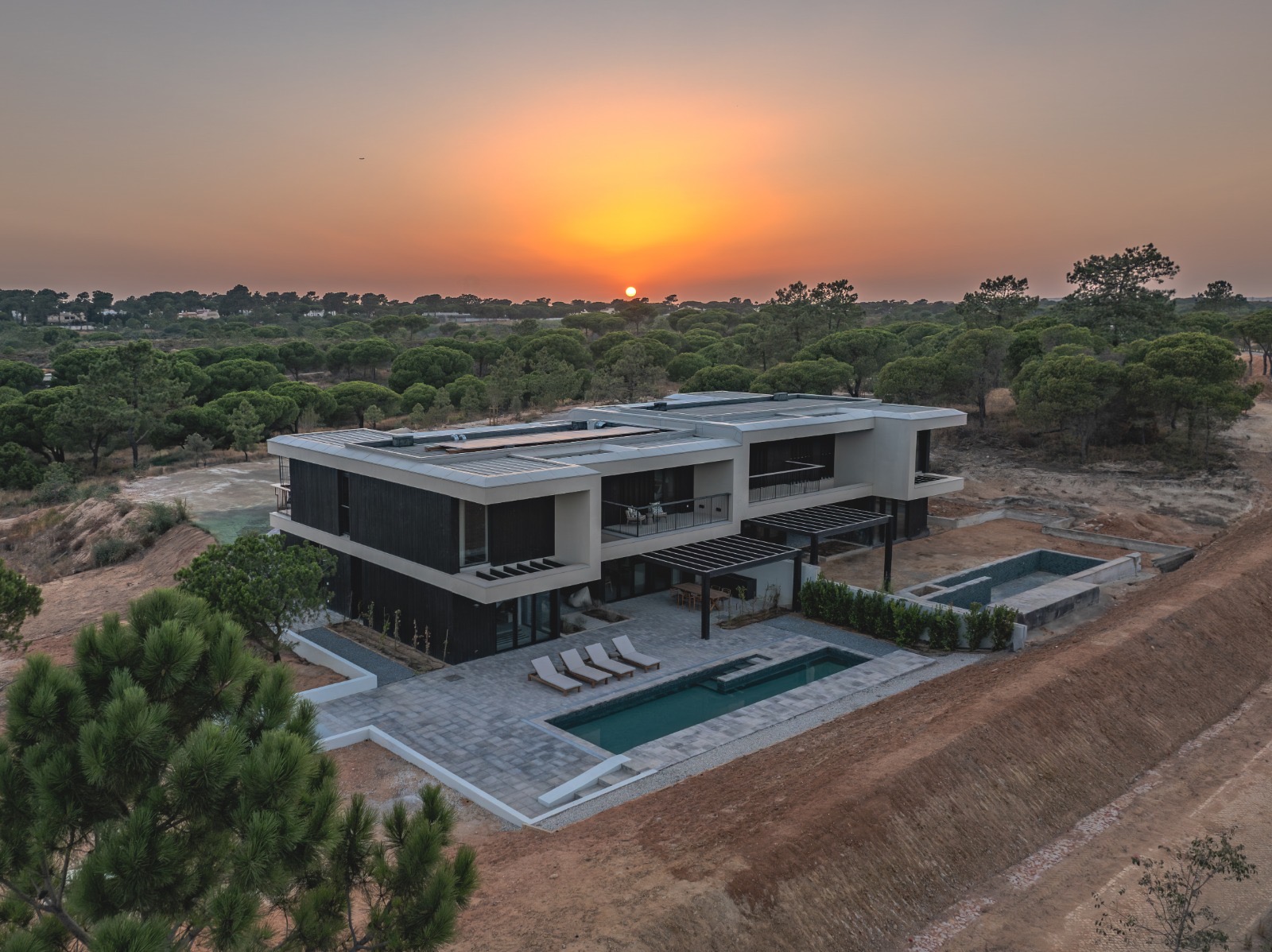
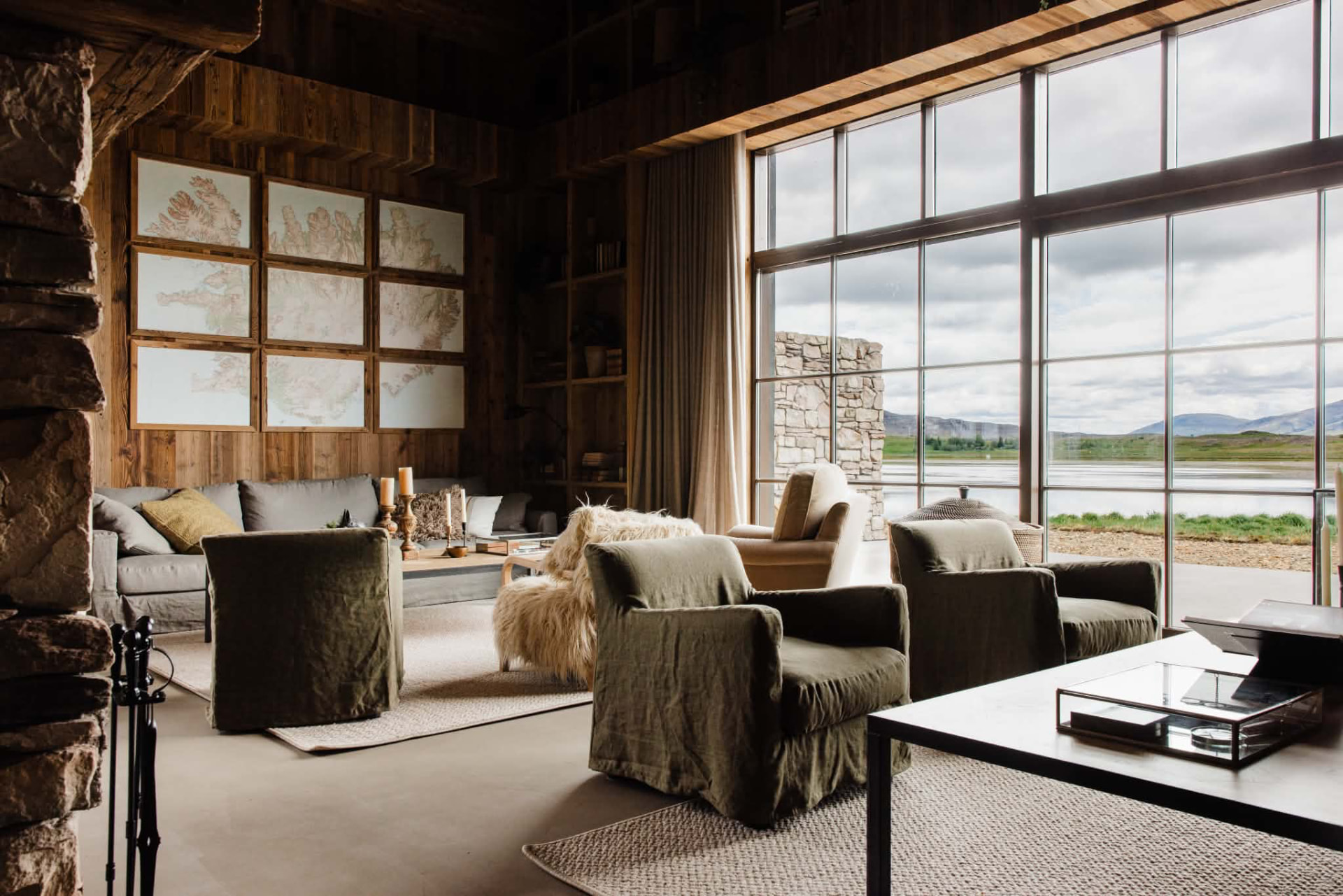
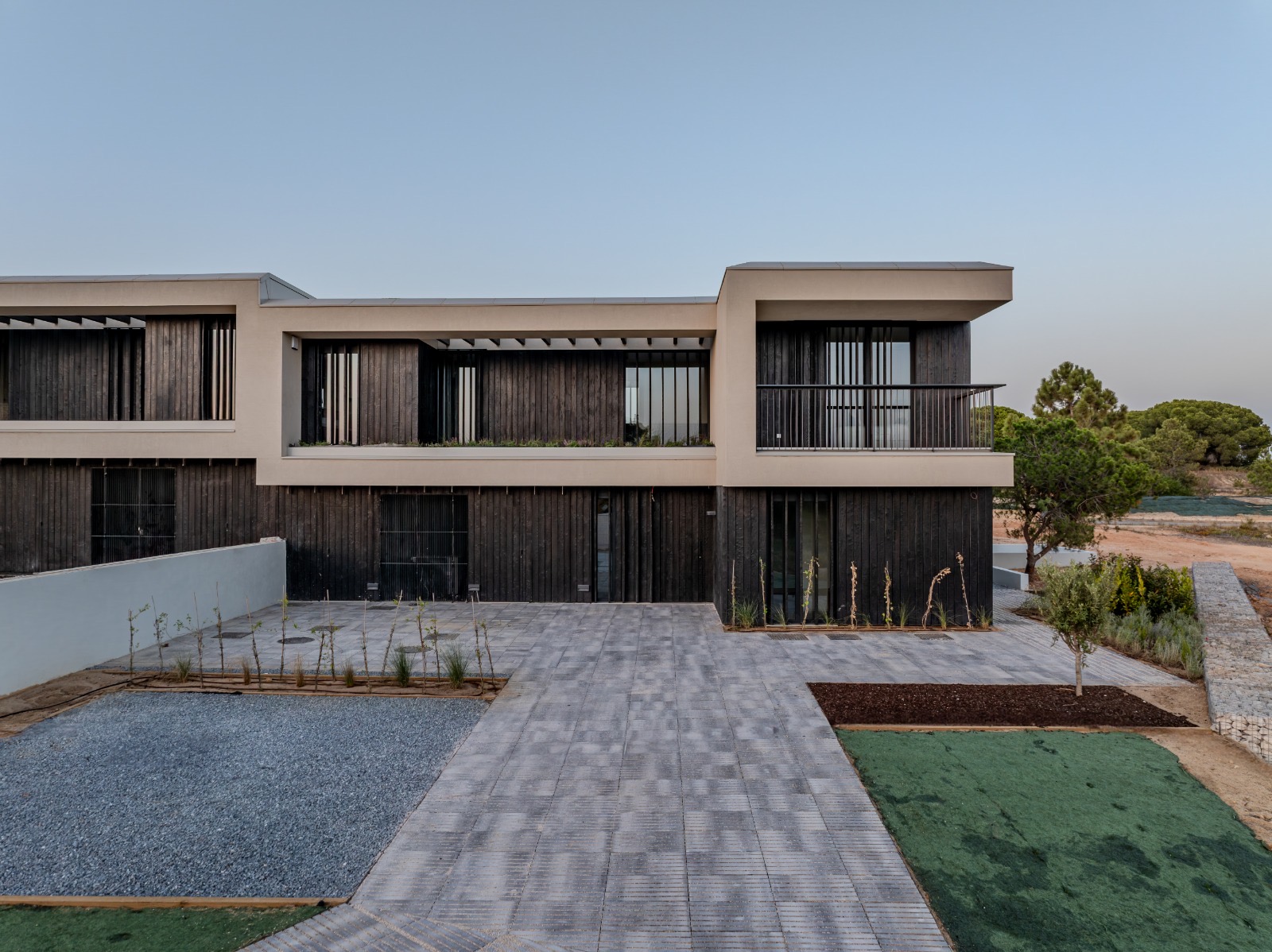
Fully exposed façades, coastal and waterside projects, wide boards, long unbroken runs, south elevations, and anywhere a client expects the building to look the same in fifteen years as it does at handover.

Why BAUWN selected this timber

Because some projects cannot accept movement. Accoya® lets us offer a charred façade with the least cupping, swelling and shrinkage of anything we work with, and it is produced from FSC-certified fast-grown softwood rather than tropical hardwood.

Technical overview

Technical overview

AttributeSpecification
Thickness20 mm
Widths146 / 196 / 242 mm
Lengths2,400 mm, 3,000 mm, 3,600 mm, 4,200 mm, 4,800 mm
InstallationVertical or horizontal
Protective finishProtective oil; pigmented on KIME surfaces
BespokeBespoke widths and profiles on request

Availability may vary according to stock, profile and project quantity. Please contact BAUWN to confirm current availability.

Wood is a natural material. Grain, texture and colour can vary between boards, making every installation unique. Screen settings and lighting may also affect how colours appear.

Profiles

Profiles

Shadow Gap (Z half-lap)

Recommended for exterior

Widths
146 / 196 / 242 mm
Coverage
Approx. 15 mm less than the overall width - a 196 mm board covers 181 mm
Thickness
Per species - see technical overview

Recommended profile for exterior cladding. The board is rebated into a Z section - the top of one edge and the underside of the other - so consecutive boards lap into each other and draw a fine, continuous shadow line across the façade.

PAR

Widths
146 / 196 / 242 mm
Coverage
Equal to the board width when butt-jointed
Thickness
Per species - see technical overview

Planed all round. A straightforward square-edged board for interior linings, joinery, furniture and detailing.

T&G - interior

Widths
146 / 196 / 242 mm
Coverage
Approx. 12 mm less than the overall width
Thickness
Per species - see technical overview

Tongue and groove for interior wall and ceiling linings. Available for interior applications or on request.

Applications

Applications

  • Exterior cladding
  • Coastal and waterside façades
  • Soffits and reveals
  • Doors and joinery surrounds
  • Interior wall lining

Completed projects

Accoya® in Architecture

Explore selected projects created with Accoya® across different BAUWN finishes.

Explore All Projects

FAQ

Frequently asked questions

Can Accoya® be used externally?

Yes. This surface is produced for exterior cladding as well as interior use. We advise the Shadow Gap profile outdoors, installed on a ventilated batten cavity.

Which profile is recommended for exterior cladding?

Shadow Gap. The Z-shaped half-lap rebate lets consecutive boards overlap while the timber moves, keeps the cavity behind ventilated, and gives the façade a controlled shadow line.

Can it be installed vertically and horizontally?

Both orientations are possible. The batten direction and the drainage detail change accordingly; we can supply the relevant detail with your quotation.

Will the colour and texture vary?

Yes. Every board is charred and finished individually, so grain, depth of texture and tone shift slightly across a delivery. That variation is intended.

How should the surface be maintained?

Keep it clean and free of standing debris, and re-oil when the surface begins to look dry. Maintenance frequency depends on orientation and exposure; we give project-specific guidance with each delivery.

Can I order a sample?

Yes. Samples are the fastest way to judge a surface. Order this finish on its own or as part of a curated box.

Can BAUWN manufacture bespoke sizes?

Bespoke widths, thicknesses and profiles are produced on request for project quantities. Send the drawing or specification with your quotation request.

How do I request a quotation?

Use the quotation form. Your species and finish are carried over automatically, so you only add quantity, profile and project details.

See the surface in your own light before you specify it.