How Much Does Charred Timber Cladding Cost? A Complete Price Guide
By BAUWN·23 November 2026·8 min read
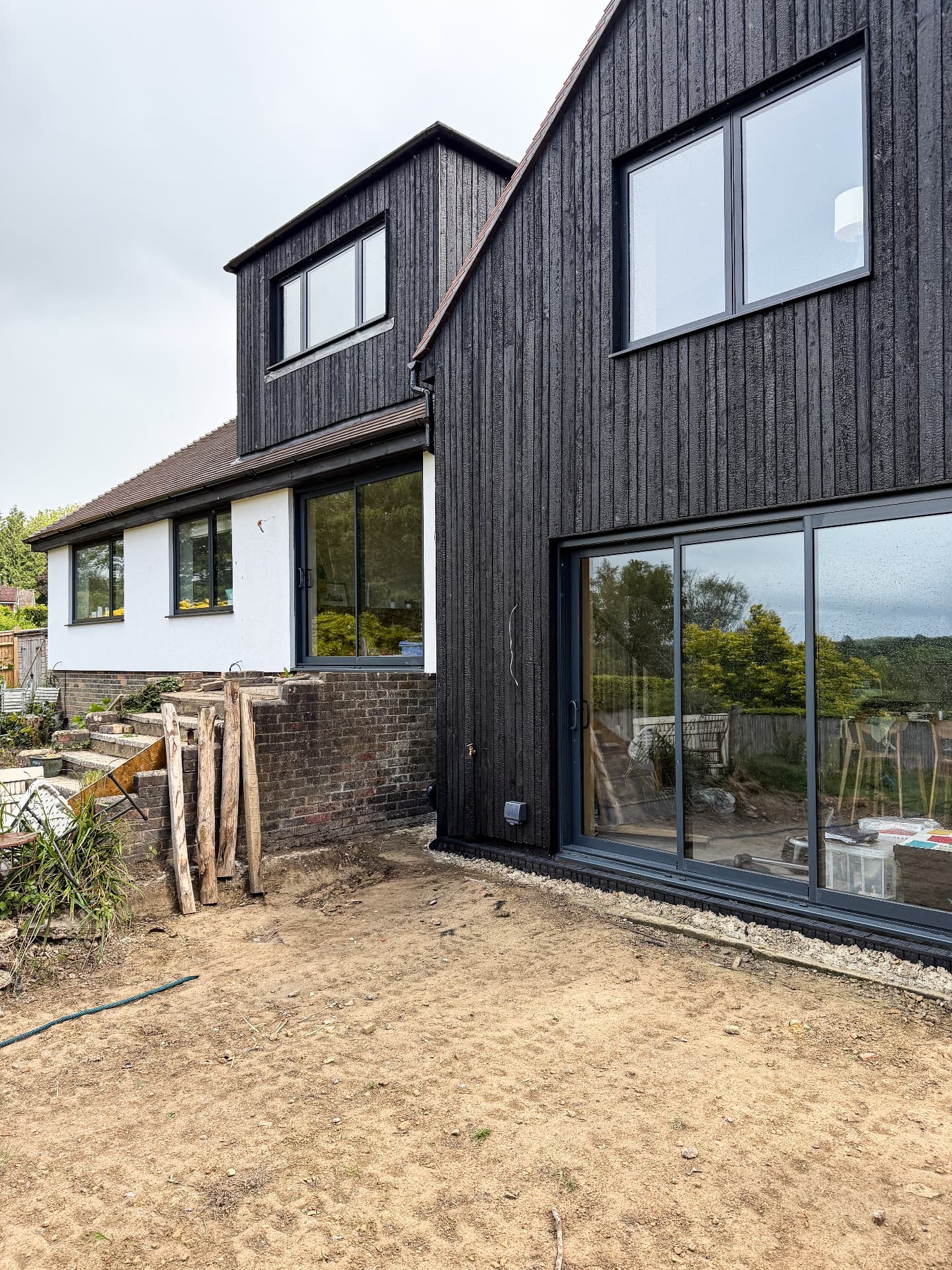
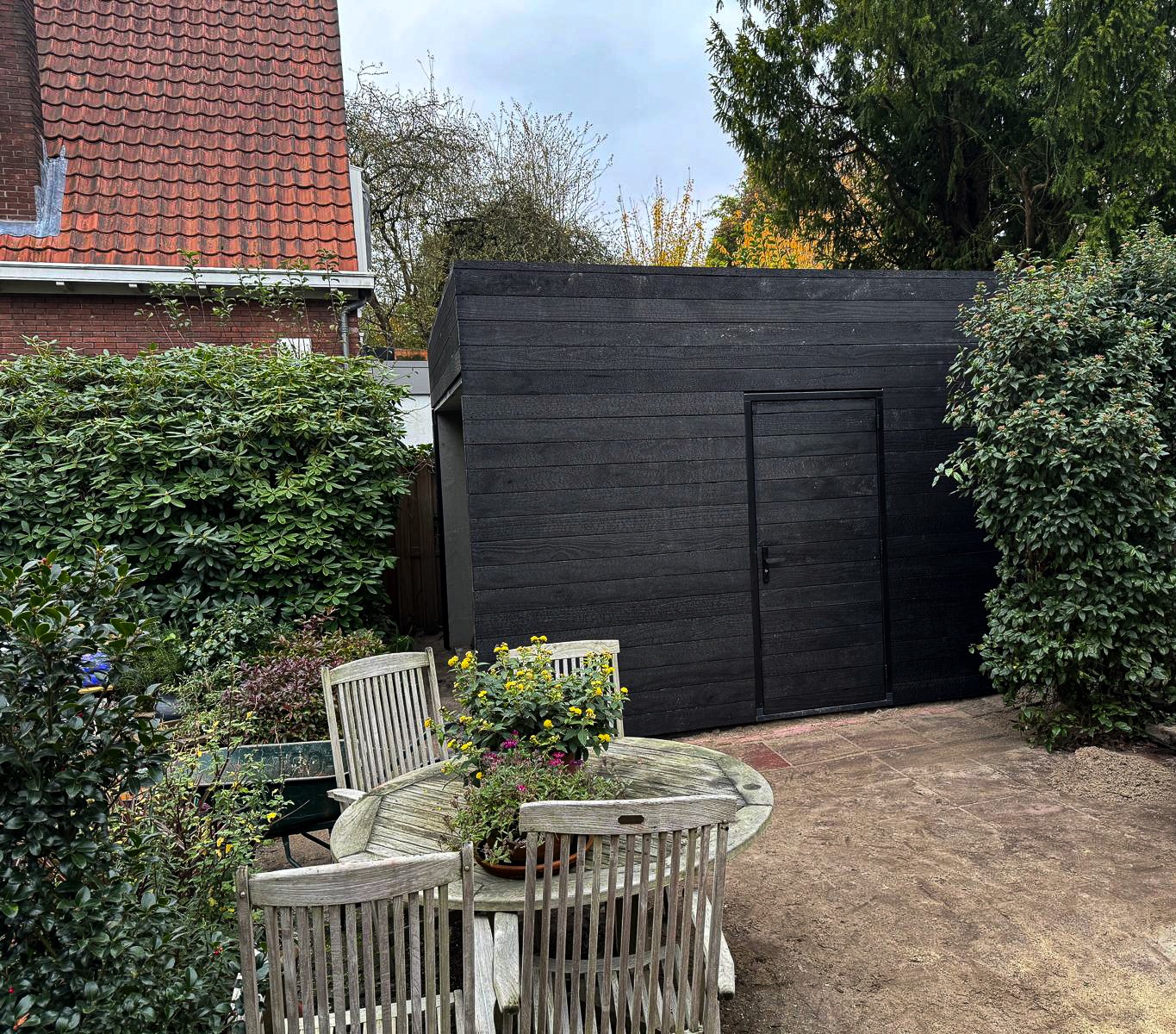
Charred timber cladding usually costs more than standard painted or stained timber because it involves a specialist process: selecting the board, charring it, brushing or finishing the surface, inspecting it, and preparing it for a specific architectural application. For a properly specified façade, the material price is only one part of the budget; profile, board coverage, fixings, installation, substrate, and long-term maintenance all affect the final cost.
At BAUWN, the right question is not simply “What does charred timber cost per square metre?” It is: Which timber, finish, profile, and level of finish will give your project the appearance and performance you need - without paying for specifications you do not require?
What determines the price
Charred wood is not a generic commodity; two pieces of charred wood may look similar in images online but differ greatly in the quality of the timber used, the depth of charring, the brushing process, the finish, the wastage factor, and suitability for exposure.
Key factors affecting cost are:
- Type of timber: The raw material cost varies depending on whether larch, Japanese cedar, or Accoya is used for charring.
- Finish: Charred wood with a preserved-carbon finish like KAEN requires more stringent control than charred wood with a light brush finish like KIME.
- Profile and finish: Shadow-gap profiles require more timber per square metre than square-edge profiles.
- Board size: Wide boards, longer boards, and low-wastage cutting can affect cost per square metre positively or negatively.
- Volume: Smaller orders have relatively high handling, set-up, and finishing costs compared to large orders.
- Project-specific needs: Fire treatments, special sizes, pre-drilling, packaging requirements, or bespoke manufacturing cost money.
That is why a meaningful quote is always project-specific, never a generic price.
Indicative material budgets
As an overall reference, charring and charred-effect cladding is classified as a specialist architectural material as opposed to ordinary timber. Prices are quite varied depending on the type of timber, the level and nature of the charring process, the selected surface type (KAEN or KIME), the profile, board sizes, and quantity. The Accoya variety is mostly known as high specification compared to others because of its performance and stability. Examples of charred larch vary widely depending on the profile and finish.
| Material / Finish Level | Typical Material Budget | Best Suited To |
|---|---|---|
| Entry-level charred or reclaimed boards | Lower budget, often basic profile | Feature walls, interiors, garden structures |
| Charred larch, brushed finish | Mid-range material cost | Façades, fencing, garden rooms, soffits |
| Deep charred larch | Higher material cost | Statement façades and exposed elevations |
| Charred Accoya | Premium material cost | Coastal, wide board, and long-life projects |
These figures are indicative only. They do not include battens, membranes, fixings, labour, scaffolding, waste, delivery, or site-specific detailing.
BAUWN material choices
Charred larch
Larch cladding can be your best option in terms of achieving a natural and expressive appearance with visible grain and charred texture that provides depth and variety.
When designing structures that will experience full exposure to the elements, we at BAUWN usually recommend using larch in Shadow Gap form with ventilated cavities, allowing for the drying out of the boards after rain.
Use larch if you need:
- Classic charred wood look
- Visible grain and texture
- Expressive architectural façade
- Cost-effective combination of features
- Boards for use in cladding, screening, fencing, soffit, and interior lining applications
Charred Accoya
Accoya is a specification product. This is acetylated softwood that improves the stability and movement characteristics of the timber. This makes it a great product for use in exposed façades, wide boards, and long lengths.
Accoya is more expensive, but sometimes the right choice, depending on how the design requires clean lines, wide boards, stability, or longevity.
Go with Accoya if:
- You require wide boards and lengths
- You require more stable exterior products
- You need a specification product for your façade
- You are working in a coastal or waterside environment
- You want an aesthetically pleasing architectural product
KAEN and KIME finishes
The two surface families of BAUWN are designed to address different types of subjects.
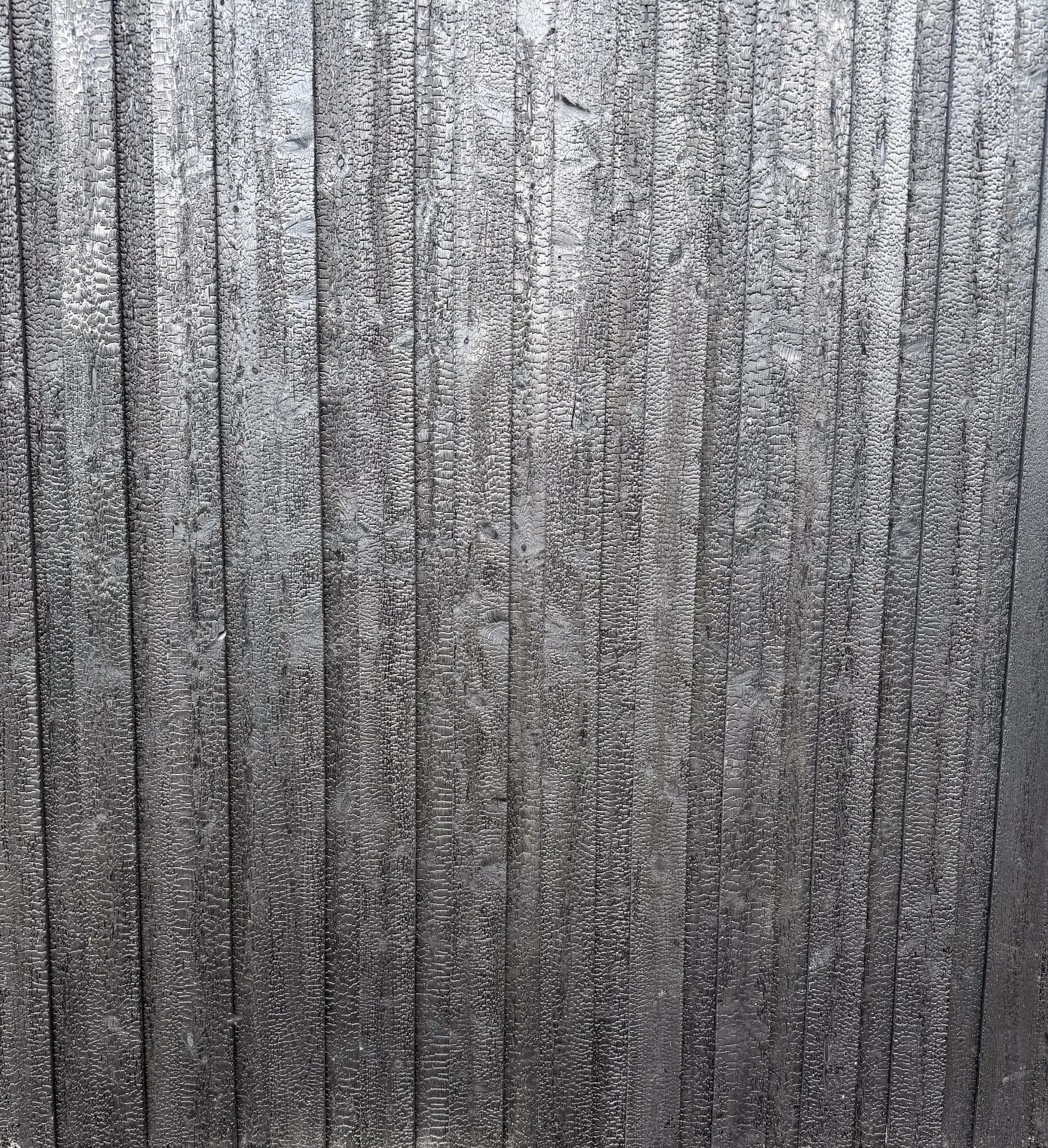
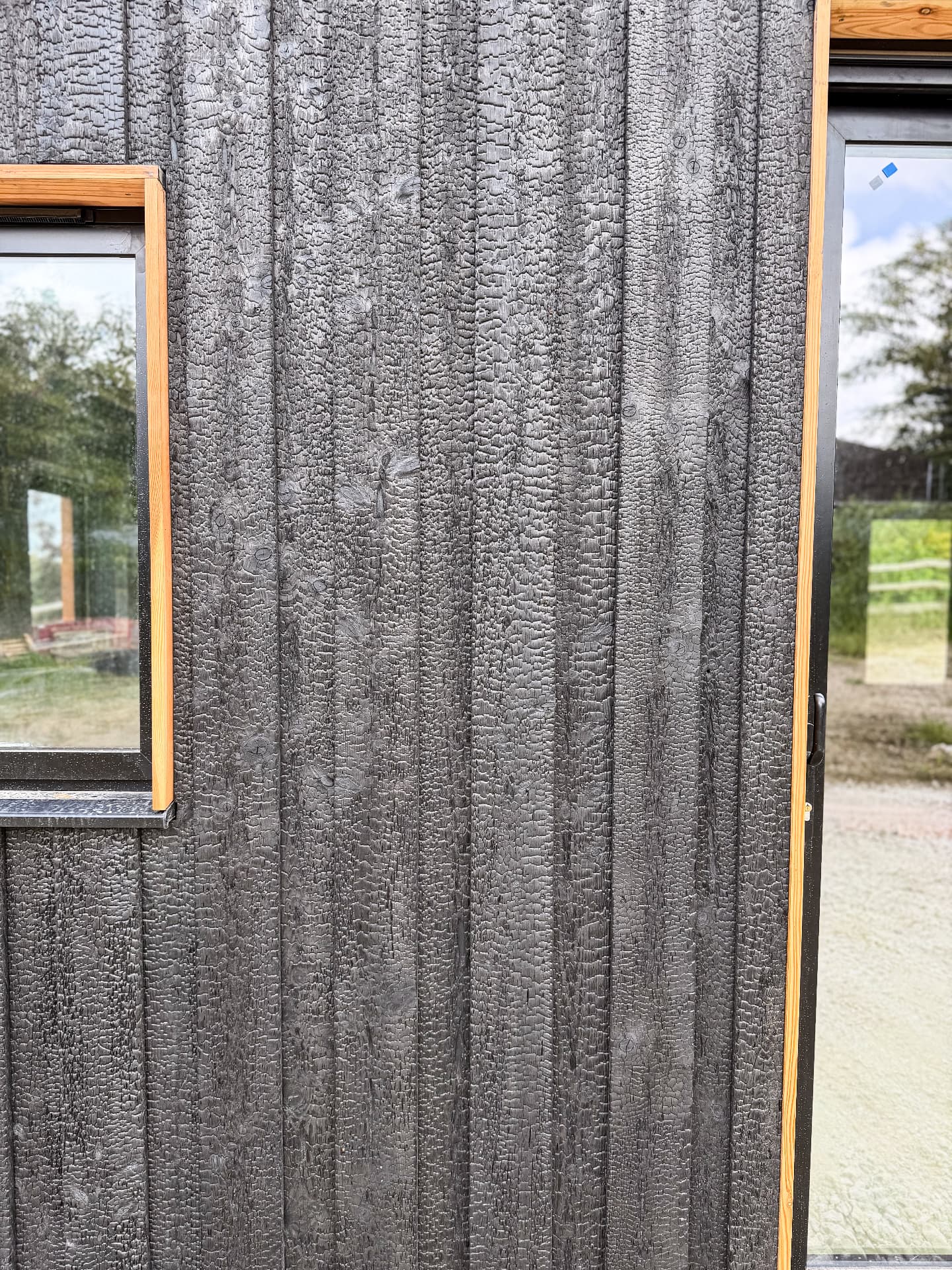
KAEN is the “held flame” surface, a rich, sculptural carbon preservation surface. KAEN should be chosen if you wish to have an almost black, architectural surface with visible charring.
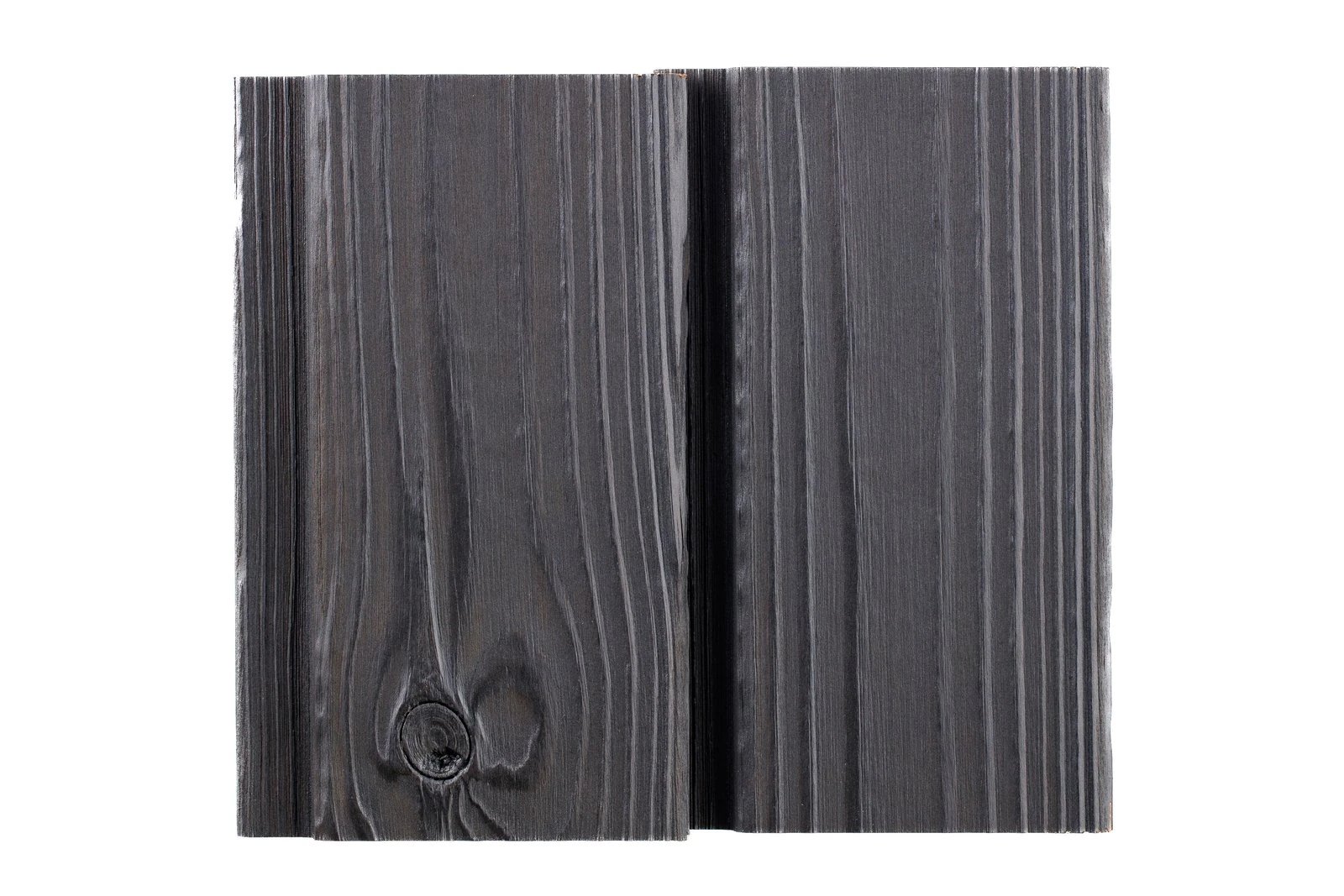
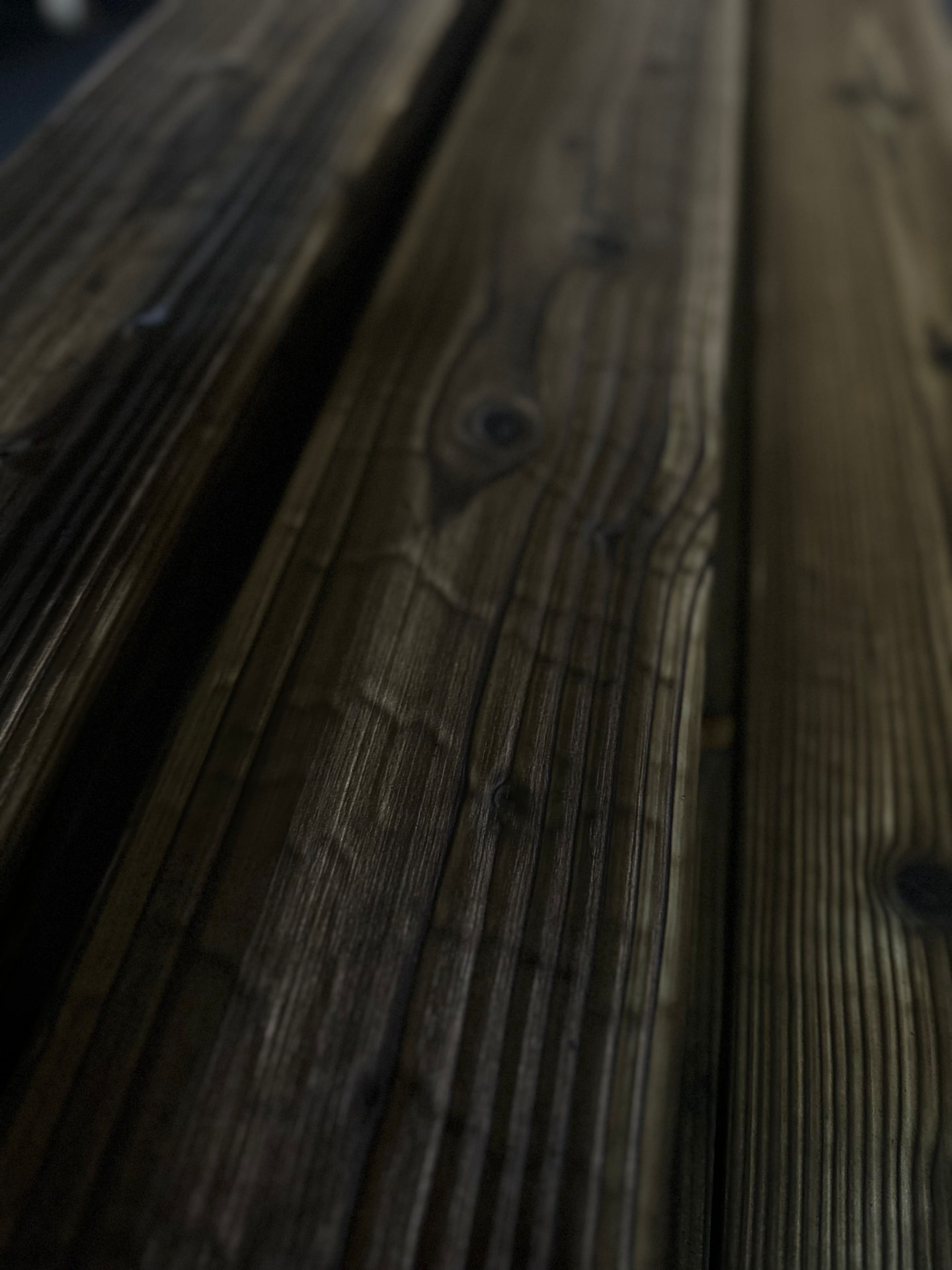
KIME is the “revealed grain” surface, with the board being charred and brushed, making the grain of timber part of the visual language. KIME should be chosen if you are interested in adding warmth and texture.
| Finish | Visual Result | Typical Use |
|---|---|---|
| KAEN | Deep carbon, sculptural, dramatic | Modern façades, statement elevations |
| KIME Black | Charred surface with visible grain | Contemporary homes and commercial projects |
| KIME Amber | Warmer, more natural charred expression | Residential and hospitality projects |
| KIME Sand Grey | Softer, weathered architectural tone | Coastal, rural, and muted designs |
| KIME Mahogany | Richer, warmer dark tone | Interiors and feature elevations |
What a realistic project budget includes
A common error is to compare the board price of one manufacturer against the installed price of another. For budgeting purposes, it is important to keep these costs separate by breaking them down into material, cladding system, and installation.
Material cost
These are the costs for the finished board, profile, finish, and transport. There may also be costs associated with a waste factor, especially where boards have to be trimmed around windows, corners, openings, or irregular elevations.
Cladding system cost
The façade is not just boards; the following may be needed depending on the construction:
- Battens or substructure
- Breather membrane
- Cavity ventilation
- Stainless steel or coated fixings
- Corners, trims, flashings, and reveal details
- Fire resistance where required
- Finish coating or oil depending upon the finish
Installation cost
Installation costs vary more than material costs as they are dependent on access, height, substrate, detailing, location of the project, and the complexities of the façade. A garden room will cost much less to clad than a multi-storey building with restricted access and complex junctions.
It is a good idea when budgeting to think of material and installation costs separately.
How to calculate your area
Do the calculations using the façade area, not the wall area.
- Take the measurements of the height and width of each elevation.
- Find the gross area by multiplying the height by the width.
- Then subtract the area of any door or window openings.
- Include an allowance for cutting waste, depending on the board length and façade shape.
- Also include the area of the gables, reveals, soffits, screens, or feature panels.
Consider the following example. An elevation with dimensions 6 m x 3 m has a gross area of 18 m². But if there is a window 2 m x 1.5 m in the elevation, the net area will be 15 m². Then an allowance for waste should be added, considering the board length.
The required quantity depends on the effective coverage of the profile. This means that, just because of 145 mm boards, it does not cover 145 mm after overlap and other details.
Where cost is worth it
The most expensive option is not automatically the best value. The right choice depends on what the façade must do.
| If your priority is... | A sensible direction |
|---|---|
| Strong visual character at a controlled budget | Charred larch with a KIME finish |
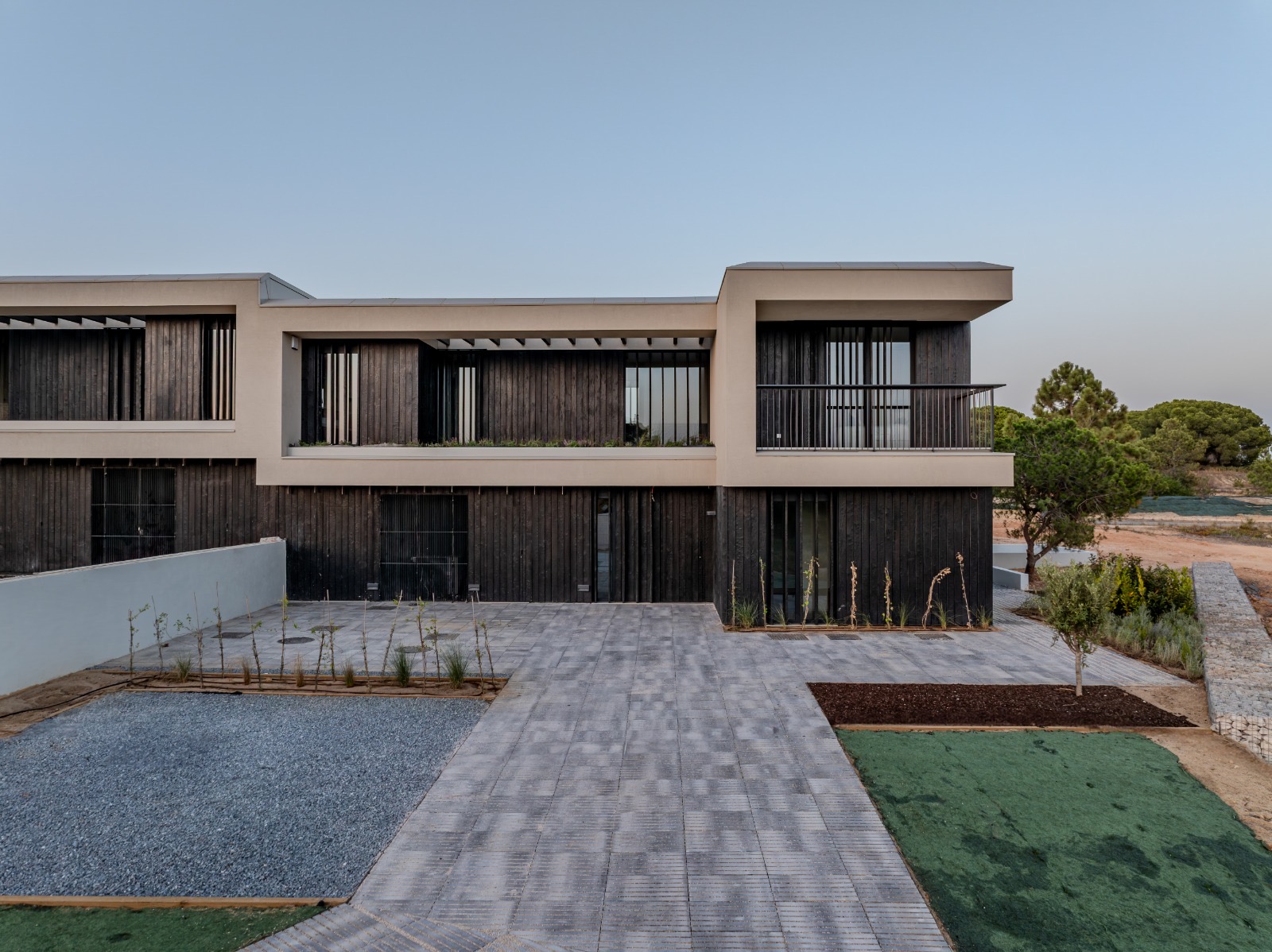
| A dramatic black architectural surface | KAEN on larch or Accoya |
| Wide boards and dimensional stability | Charred Accoya |
| A coastal or high-exposure façade | Charred Accoya with correct detailing |
| A garden room, fence, or feature wall | Charred or reclaimed timber, depending on exposure |
| A low-maintenance, long-term façade | Accoya plus a properly detailed ventilated system |
A cheaper board can become expensive if it moves, warps, fades unevenly, or needs frequent refinishing. Conversely, a premium material can be unnecessary if the elevation is sheltered, small, or intended as a temporary feature.
How BAUWN quotes projects
BAUWN uses standard profiles where available from stock, while larger or custom projects will be quoted and manufactured according to specifications. This is important because a façade is not just the material, but also a whole system of boards, profiles, ventilation, method of fixing, and finish.
When making your quotation, it would help if you had:
- Timber species or finish you want to use
- Approximate area of the façade
- If interior or exterior application
- Exposure and orientation of the façade
- Profile or board width you want to use
- Board length requirements
- If any fire treatment is required
- Delivery site and schedule
- If any samples are required for the project
One of the most helpful things for most of our clients would be the sampling process. A picture can never capture the full depth of the burn, movement of the grain, surface textures, or changes in daylight of the finish. At BAUWN, we offer curated sample sets for larch, Japanese cedar, Accoya, and reclaimed wood.
FAQs
Is charred timber cladding expensive?
It is usually a premium material because of the specialist charring, brushing, finishing, and inspection involved. However, cost varies substantially by species, profile, finish, and project scale.
What is the biggest cost driver?
Timber species and finish are usually the biggest material drivers. Installation complexity, access, and detailing can become equally important once the project reaches site.
Is Accoya worth the higher price?
Often, yes, for exposed façades, wide boards, long runs, and projects where movement and long-term appearance are priorities. For smaller or sheltered projects, larch may offer better value.
Does the price include installation?
Not necessarily. Many suppliers quote material only. Installation, substructure, membranes, fixings, and site-specific detailing are usually separate.
How much extra material should I allow?
It depends on the façade geometry and board lengths. Complex elevations, many openings, and short offcuts can require a higher waste allowance.
Is charred timber maintenance-free?
No timber façade is entirely maintenance-free. Charred timber can reduce the need for repainting, but ventilation, fixings, flashings, and periodic inspection still matter.
Can I use charred timber indoors?
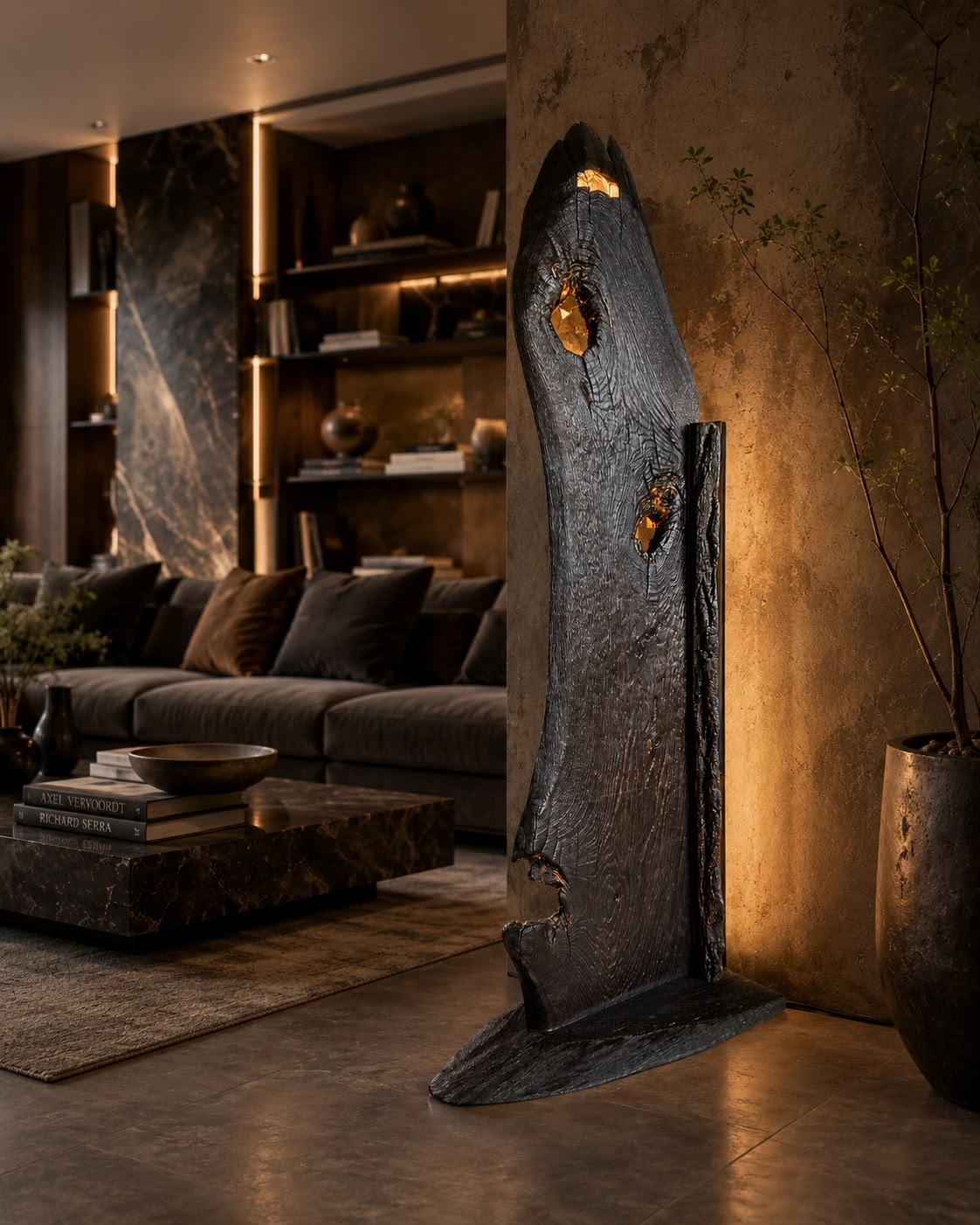
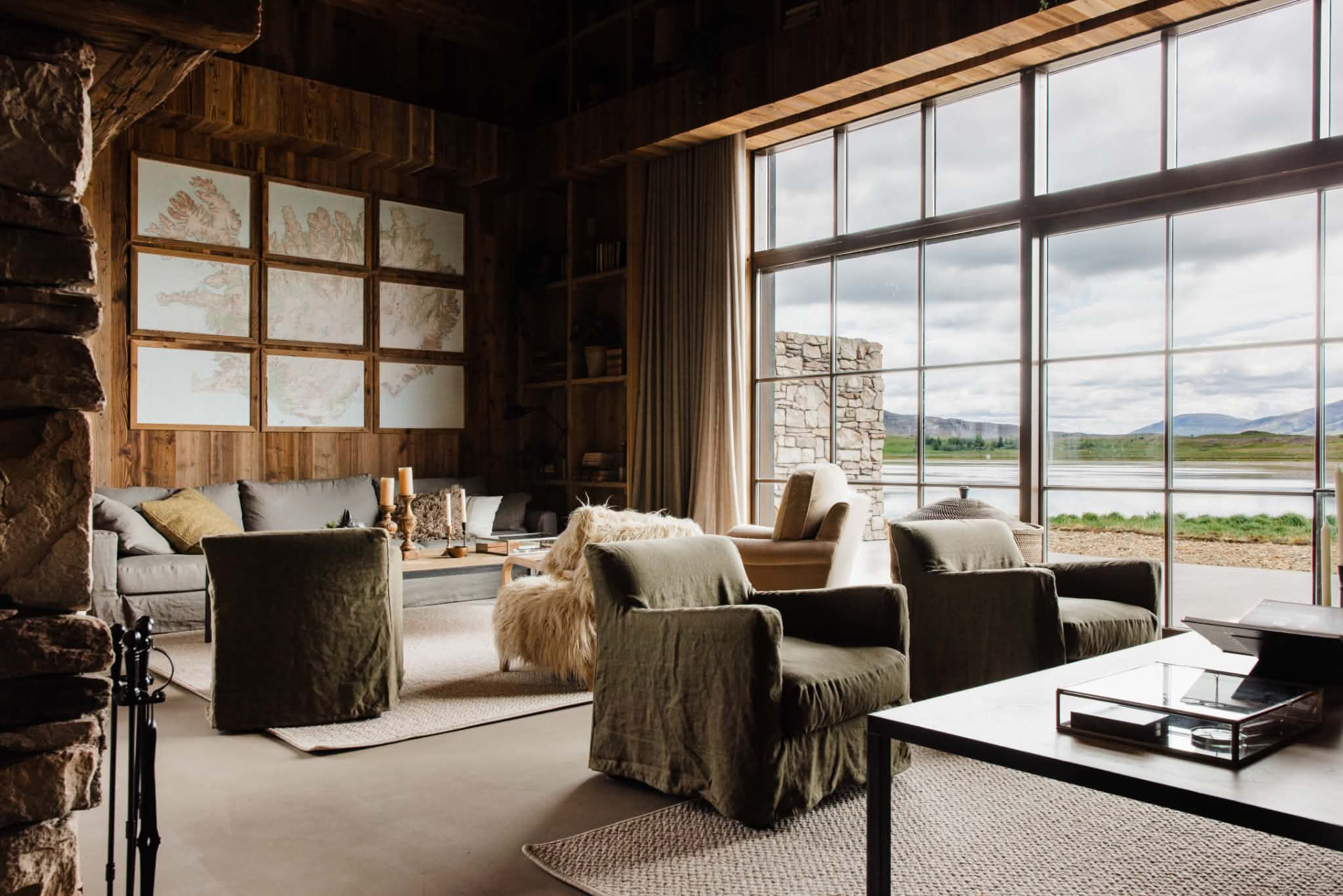
Yes. Charred timber works well for feature walls, ceilings, reception areas, furniture, and interior linings, where its texture and variation become a design feature.
Why do samples matter?
Because charred timber is naturally variable. Samples help you assess texture, grain, colour depth, and finish before committing to a full façade.
Choose the material before the price
The best way to control cost is not to chase the lowest per-square-metre number. It is to match the material to the exposure, profile, board size, and visual outcome your project needs.
If you are comparing larch and Accoya, start with the samples rather than a spreadsheet. Hold the boards in daylight, see the grain, feel the surface, and decide whether you want the deep carbon presence of KAEN or the revealed grain of KIME.
Request a BAUWN sample set or share your façade dimensions, preferred finish, and project location, and we can help you turn a broad budget into a clear, project-specific material specification.