Is Accoya Worth It for Exterior Cladding? Benefits, Costs, and Lifespan
By BAUWN·20 November 2026·6 min read
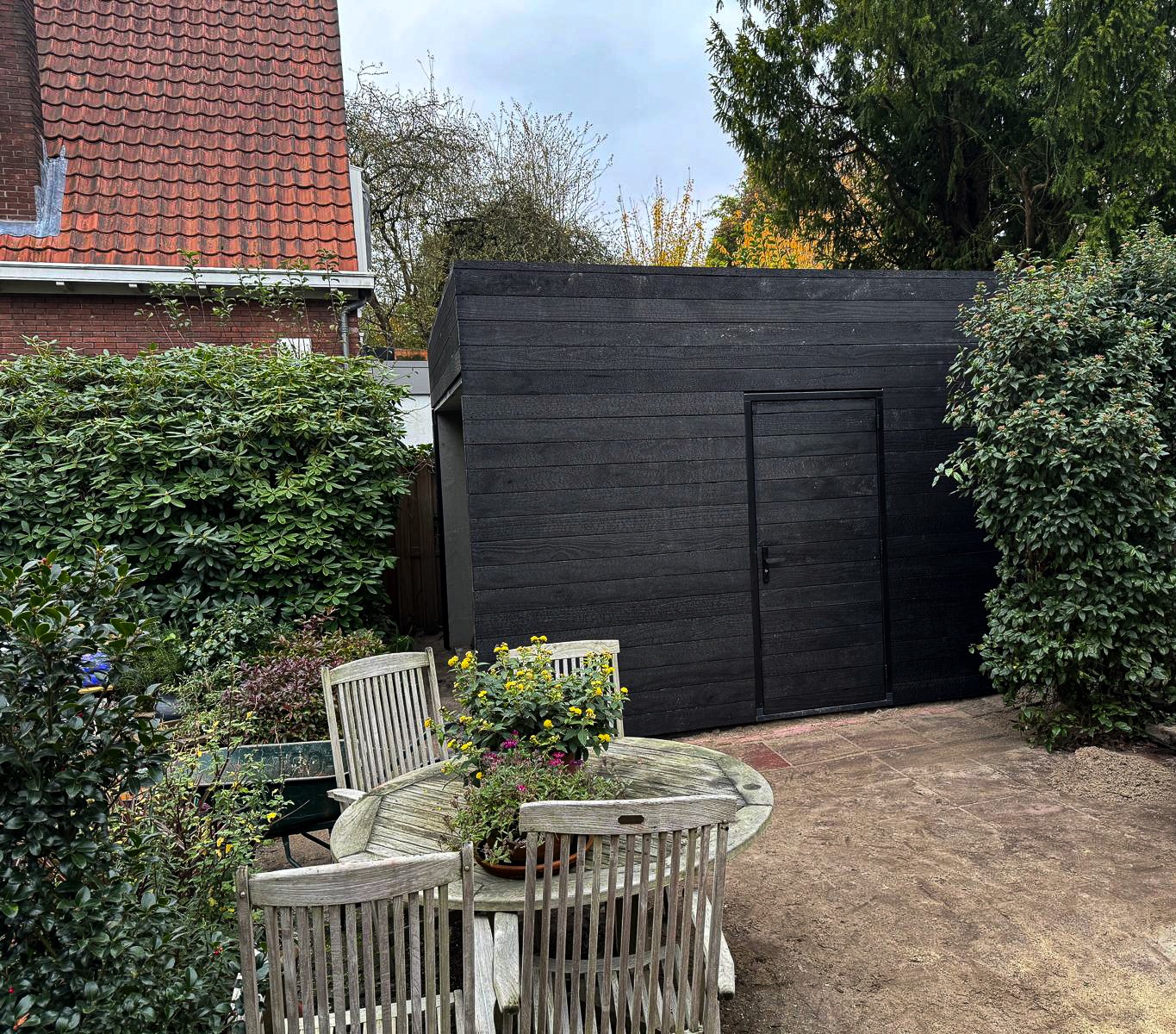
If you are choosing exterior cladding, you are probably trying to avoid one thing: spending money on a façade that looks good on day one but starts moving, fading, cracking, or needing repairs a few years later.
That is why Accoya often comes up. It is more expensive than standard timber, so the real question is not whether it is a good material; it is whether it is worth the extra cost for your project.
For most exposed façades, the answer is yes. Accoya is worth it when you want a timber cladding system that stays stable, resists rot and insects, needs less maintenance, and can remain part of the building for decades. It may be unnecessary for a low-budget, sheltered, or short-term project.
The problem Accoya solves
Normal exterior wood will expand due to water and contract because of a lack of it. Finally, this causes warped planks, open joints, cracks, and increased maintenance costs.
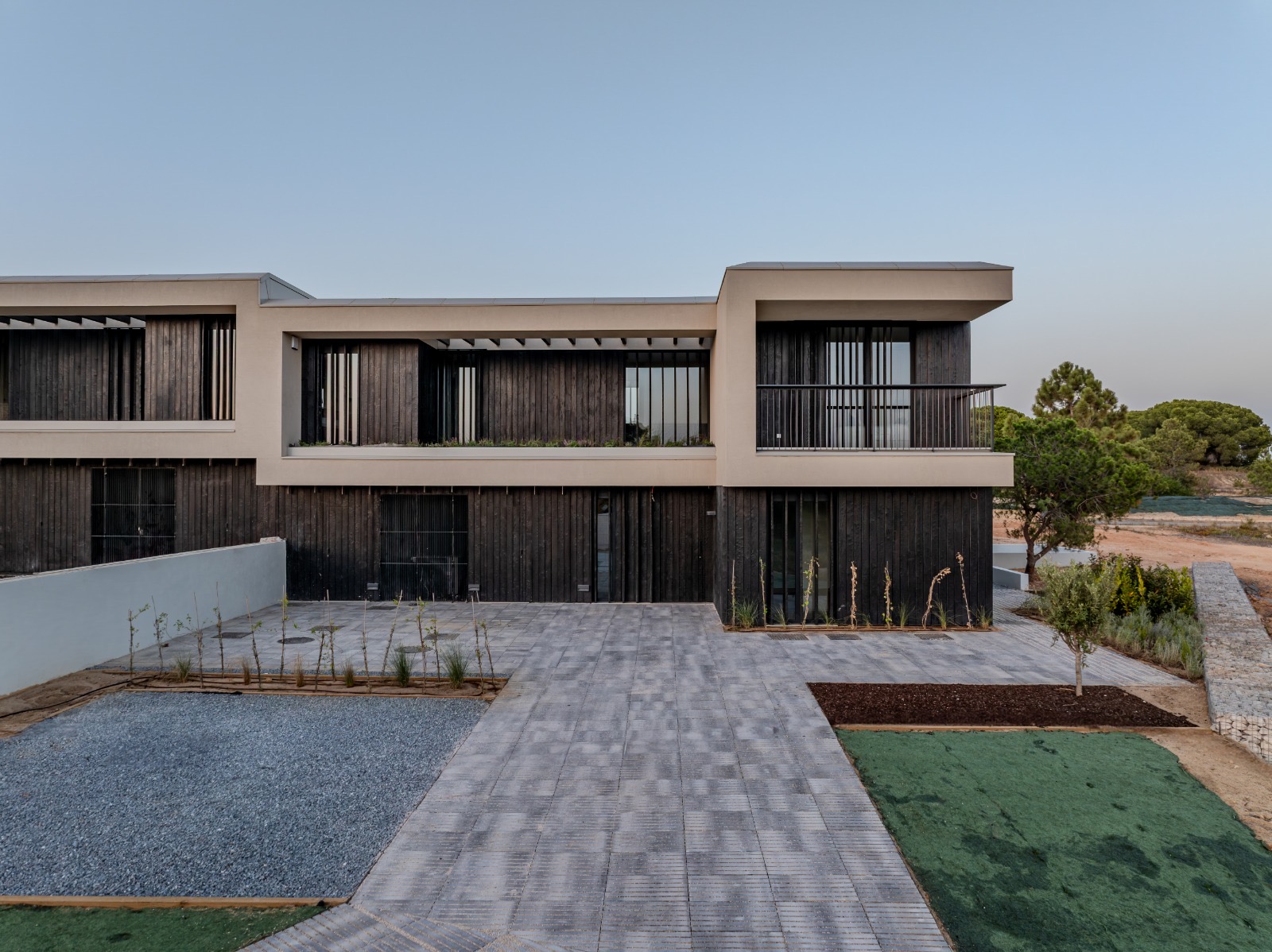
Accoya wood is natural wood that goes through a chemical process known as acetylation. What follows is that the reaction affects the properties of the wood when exposed to moisture. It becomes more durable and resistant to decay. Accoya is not plastic or fibre cement but is purely wood that can undergo charring, brushing, oiling, or painting.
It is essential because exterior cladding is constantly exposed to sun, moisture, humidity, heat, and movement.
What you gain with Accoya
It stays straighter for longer.
One of the most beneficial things about Accoya is its dimensional stability. Due to the fact that it retains or loses moisture less frequently, there is a low probability of its swelling, shrinking, warping or cupping.
Such a property is highly beneficial when it comes to modern architectural façades because the idea of clean lines and proper joints in a building façade is crucial for such an approach.
It resists rot and insects.
Accoya is graded as Durability Class 1, which is the highest natural durability grade. It is created to be resistant to decay and insects to provide performance in tough external environments.
This does not mean that good detailing will not be important anymore. Ventilation, drainage, right fixings, and proper installation will be necessary anyway. However, Accoya provides a much more durable base for the wood than other untreated or treated softwoods.
It reduces future maintenance.
No exterior material is entirely maintenance-free. Accoya, however, is made with an intention of minimising the amount of maintenance required during its lifetime.
The boards don't shrink or swell easily, and they do not get affected by rotting. This allows for effective performance of coatings and minimises the chance of early board replacement. This means fewer maintenance cycles for the homeowner and reduced planning and disruptions for an architect/developer.
It works well with charred finishes.
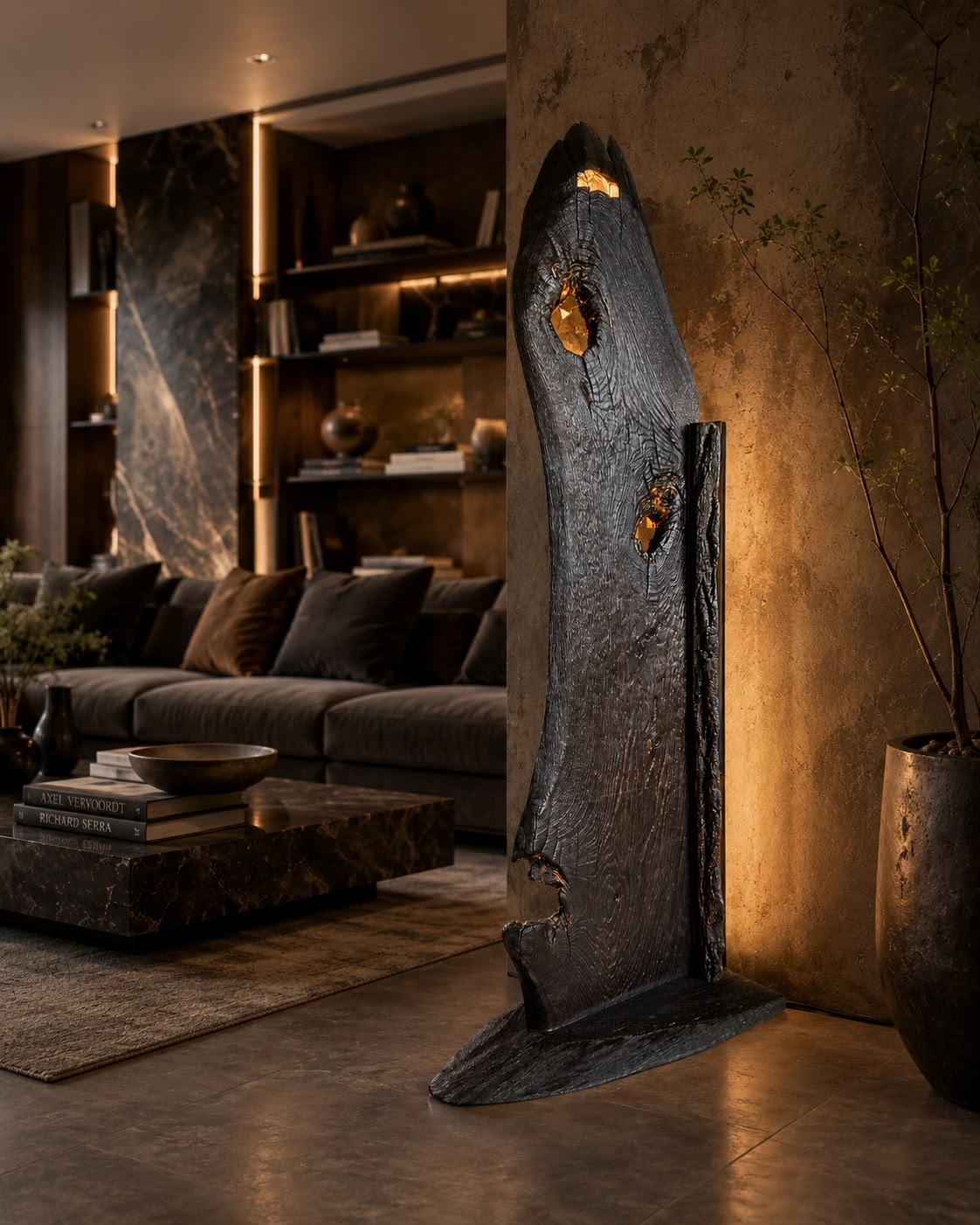
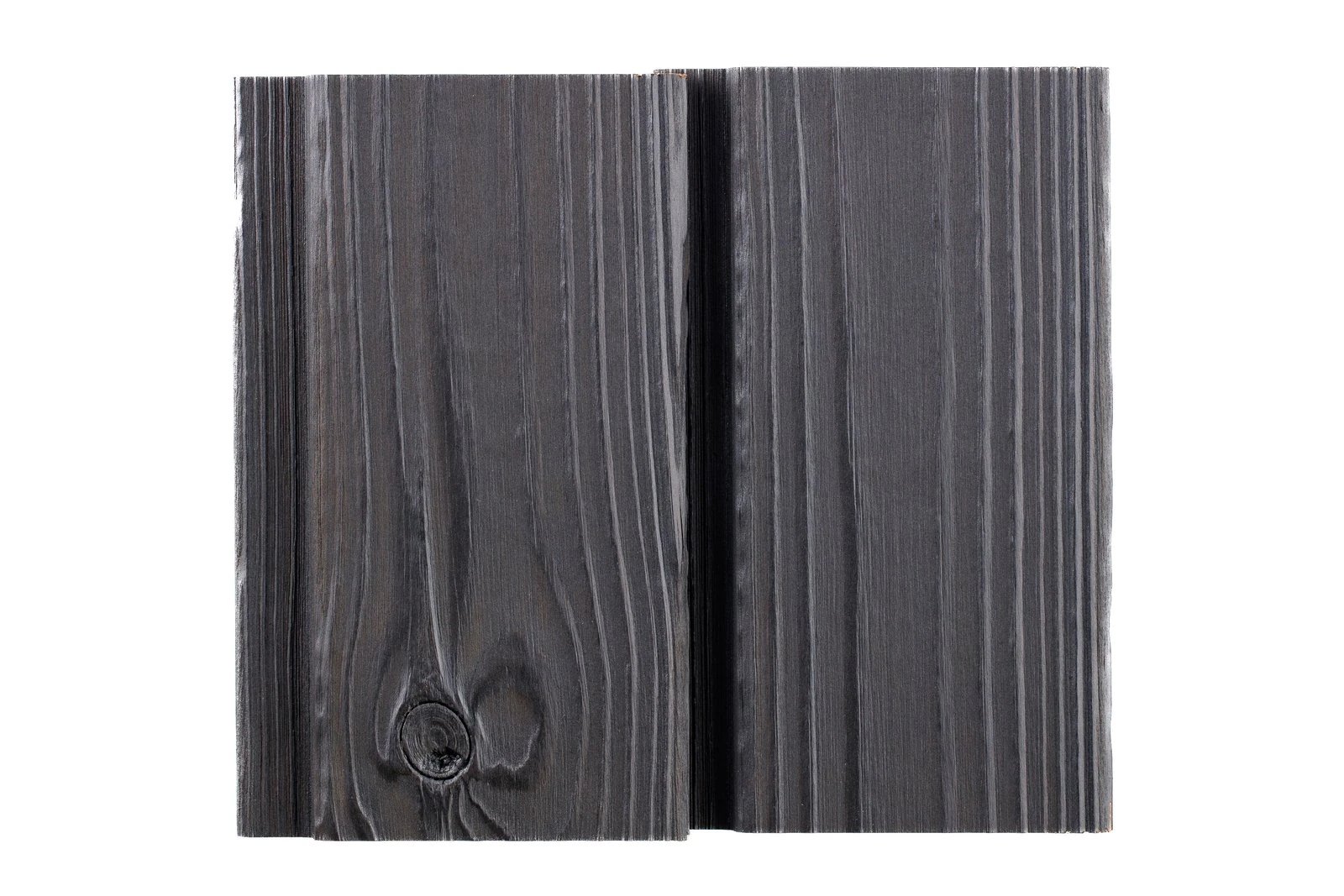
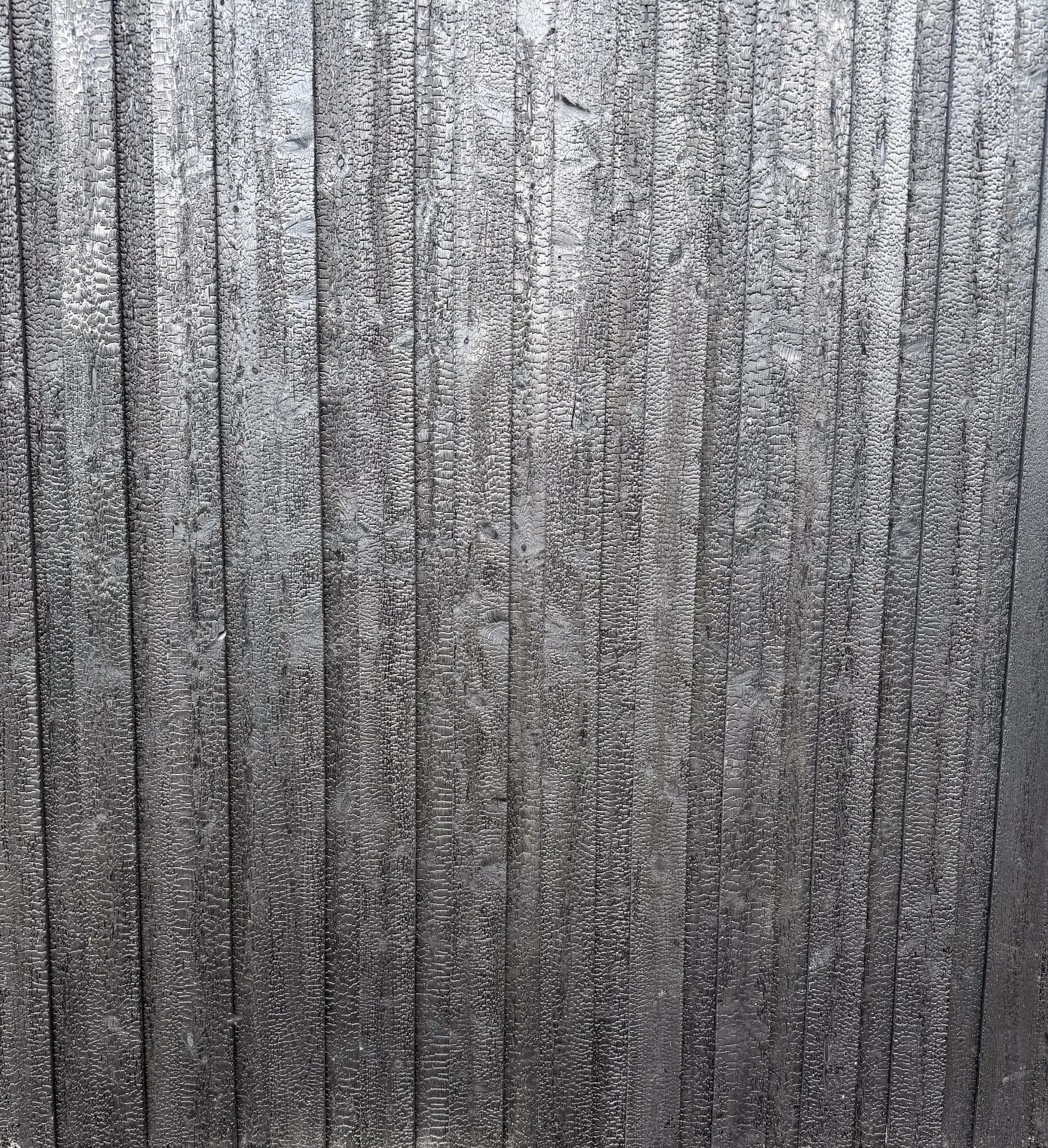
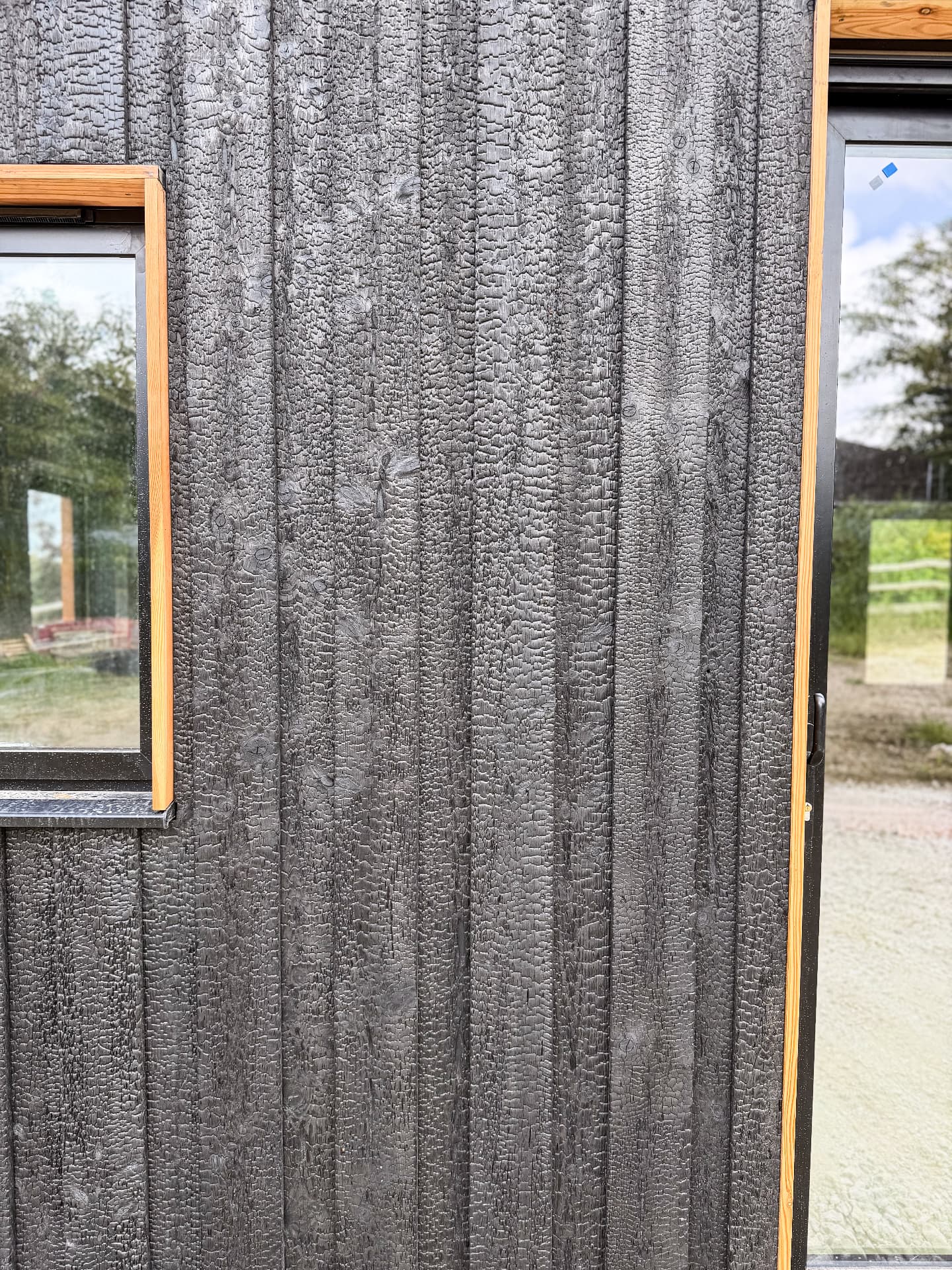
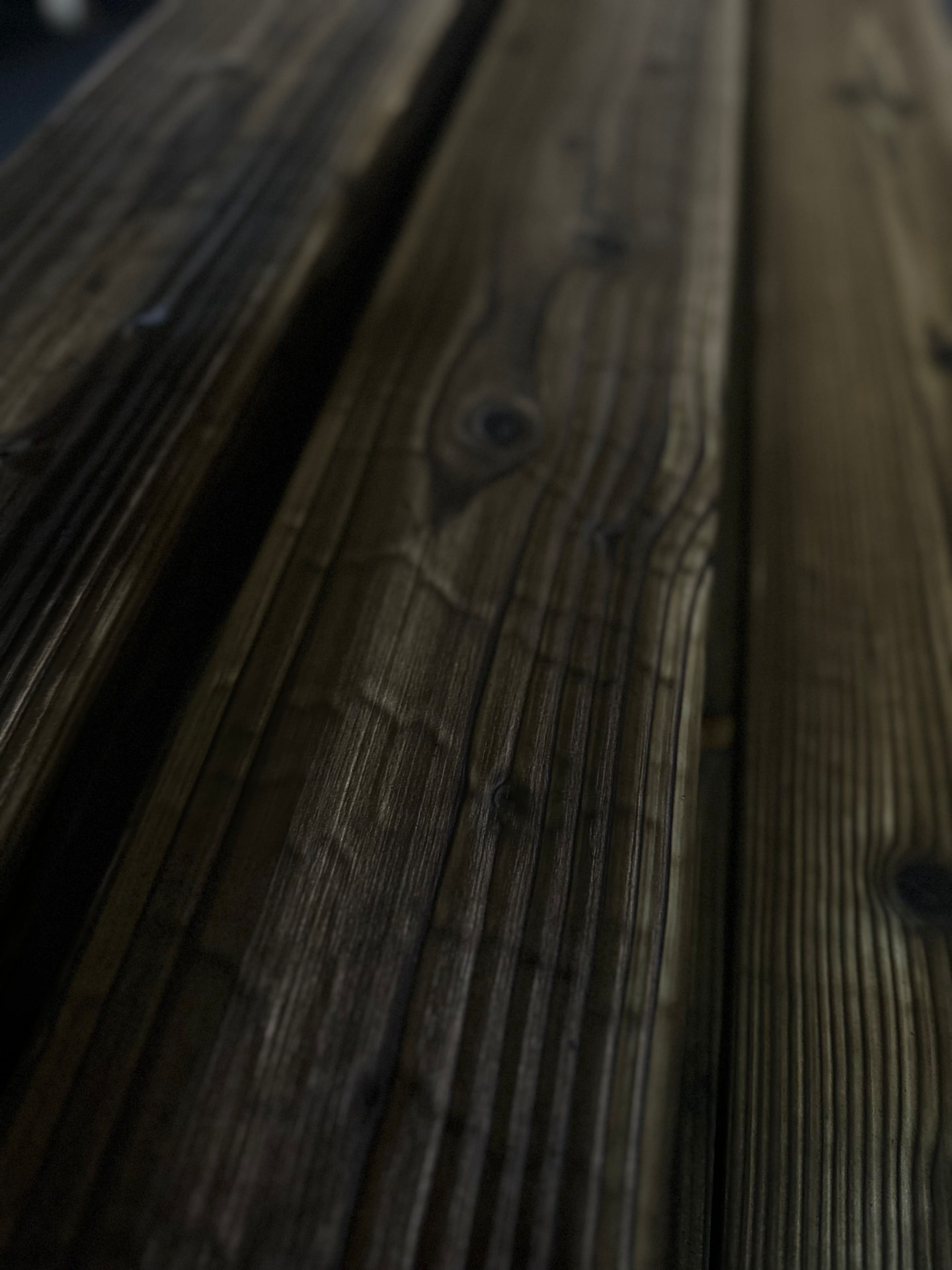
Accoya is a great platform for a charred cladding application. At BAUWN, this platform can have either the KAEN treatment, which provides a stronger carbonised effect, or the KIME treatment, which involves brushing of the charred surface to allow the grain to show through.
It is not just about colour that determines whether you want KAEN or KIME. The KAEN provides more drama, while the KIME treatment produces a more tactile finish where the grain can be seen clearly.
What Accoya costs
Accoya is generally a little more expensive than standard larch, pine, and other traditional cladding wood species. This increased cost is due to the modification process, its performance, warranty, and its appropriateness for long-life outdoor constructions.
However, the cost factor must not be measured in terms of the initial purchase only. Cladding material that is inexpensive at the moment of its acquisition may become costly after just several years, as it requires frequent painting, repairing, replacing, scaffolding, and extra labour.
Accoya is intended to last up to 60 years with the proper installation and maintenance. This material is warranted for 50 years of above-ground performance.
So, in the case of an expensive-to-maintain façade, its high initial cost may become acceptable.
When Accoya is the right choice
Accoya is worth choosing when:
- The façade is highly exposed to rain, sun, wind, or changing humidity.
- The building is near the coast or in a demanding climate.
- You want a premium architectural finish that stays stable over time.
- The elevation is difficult to access, making future repairs expensive.
- You want to reduce the risk of boards warping, twisting, or moving.
- You are specifying a project intended to last for decades.
- You want a charred timber finish with reliable long-term performance.
When another material may be better
However, Accoya is not necessarily always the right material to choose for all projects.
In cases where cost is the top consideration, larch wood or reclaimed timber could be better options. In case you are looking for a natural weathered effect, then reclaimed timber could give you an aesthetic appeal which is difficult for Accoya to achieve. When the cladding is being done on interior walls or temporary structures, then the additional performance benefits of Accoya will not really be required.
This depends on factors such as exposure, cost, aesthetics, maintenance, and longevity of the façade.
How to decide
Ask yourself these questions:
| Project Question | Recommendation |
|---|---|
| Will the façade face constant weather exposure? | If yes, Accoya becomes more valuable. |
| Is future maintenance difficult or expensive? | If yes, Accoya is likely worth the investment. |
| Do you want a precise, modern architectural look? | If yes, its stability is a major advantage. |
| Is upfront cost your only concern? | If yes, consider larch or reclaimed timber instead. |
| Do you want a charred finish that lasts well outdoors? | If yes, charred Accoya is a strong option. |
The direct answer
Accoya wood is worth the investment when used in exterior cladding applications for those who are planning for the future and wish to avoid potential movement, rotting, and regular maintenance. It may not be the cheapest choice available, but it is definitely one of the most reliable real-wood solutions for such exteriors.
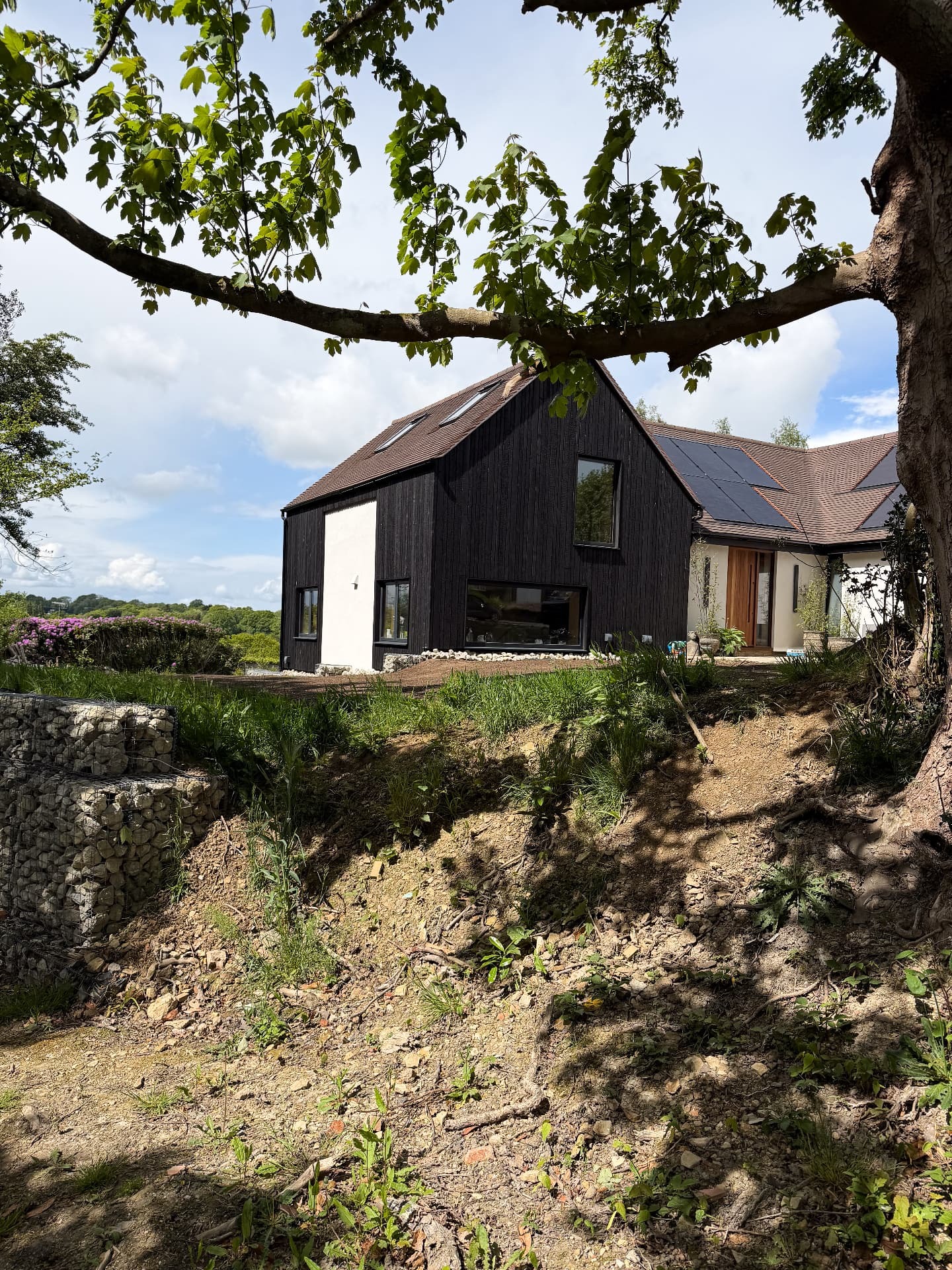
When considering the BAUWN charred timber project, Accoya is an excellent choice for applications that require not only performance but also aesthetics - durability of modified wood coupled with the texture and appearance of KAEN or KIME finish.
See the material before deciding.
Selecting cladding based on a photo is not easy because the same board will vary greatly based on its grain, light source, angle, texture, and finish.
BAUWN provides Accoya samples as individual finishes, sample boxes, and architect material selections. You can compare KAEN with KIME, learn how a charred surface reflects light, and decide which finish works best for your project before ordering.
If you tell us about your project's location, elevation information, desired finish, and estimated number of boards, BAUWN will assist you in selecting an Accoya finish for your project's façade.
FAQs
Is Accoya better than larch as cladding?
Accoya is superior when stability, rot resistance, and longevity are the most important criteria. Larch is a great choice when an aged wood appearance and cheaper material are needed.
Does Accoya cladding require maintenance?
Yes, but generally not as much as many traditional timber claddings. It depends on the finish and required appearance; the coated façade will require regular maintenance to maintain its initial colour.
Can Accoya be used for charred wood cladding?
Yes, it can. Accoya can be charred, brushed, oiled, and coloured. Charred Accoya is offered by BAUWN in KAEN and KIME types for outdoor architectural applications.
How long does Accoya last?
Accoya cladding is designed to last up to 60 years when properly installed and maintained, with a 50-year warranty on exposure.
Is Accoya worth the higher price?
Yes, if used for exposed and long-lasting high-end exterior surfaces. If budget and conditions are tight, another type of timber can be more appropriate.