How to Choose the Right Timber and Design for a Charred Wood Fence
By BAUWN·2 November 2026·6 min read
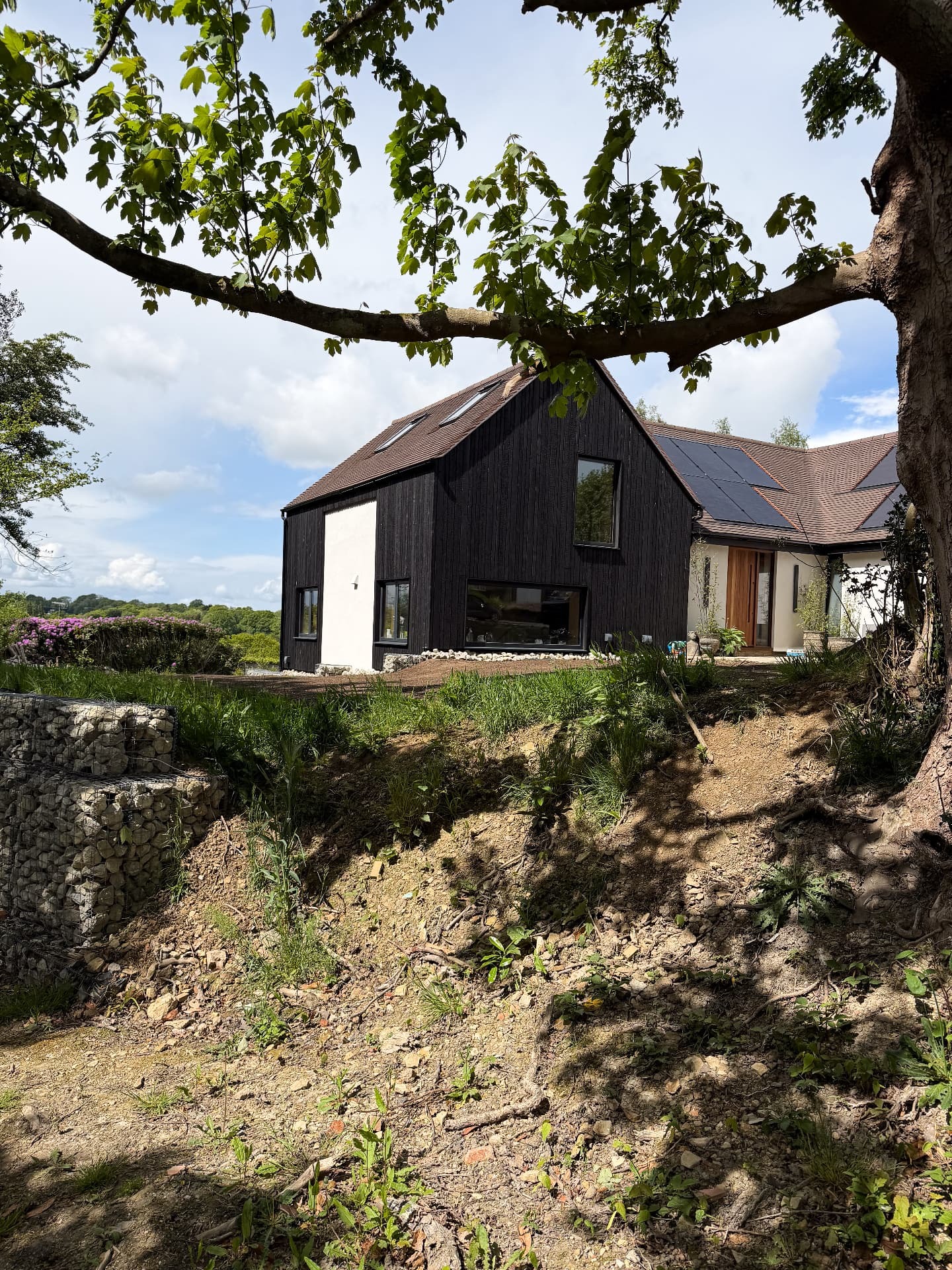
A fence that is designed properly can completely transform an outdoor setting. A fence provides privacy, creates a framework for a garden, and connects the landscape and the building. All these attributes are possible in the case of a Charred Wood Fence, but ultimately its success depends on much more than just selecting dark wood. The selection of the correct wood type and how it is used depends on a lot more factors.
Understanding the land and defining the purpose of the fence is essential for making the correct decision about the wood and the design.
Start With The Right Timber
Timber is the foundation of the fence, so it should be selected before deciding on smaller design details. Different species have different grain patterns, textures, and stability.
Common exterior options include Larch, Japanese Cedar, and Accoya®. Each creates a different character after charring.
| Timber | Basic Character | Good For |
|---|---|---|
| Larch | Strong, expressive grain | Natural-looking boundaries |
| Japanese Cedar | Fine grain and traditional character | Refined garden design |
| Accoya | High dimensional stability | Demanding exterior conditions |
It will depend on various factors like the climate, fence height, and the look that one would desire for the fence. For instance, a sheltered courtyard would have a different environment compared to an exposed fence wall.
Consider The Fence Location
Timber may appear and perform in different ways based on its location.
In selecting the material for your fence, you have to determine the amount of sunshine and rainfall it is going to receive. It is crucial to find out if the soil will be moist and if there are plants around the fence.
Some basic questions that could help include:
- Is the fence subjected to harsh weather conditions?
- Will it be getting direct sunlight?
- Will the soil around it drain easily?
- Will dense planting be near the fence?
- How high should the fence be?
These considerations are used in identifying the correct material before moving on to aesthetics.
Choose The Right Surface Finish
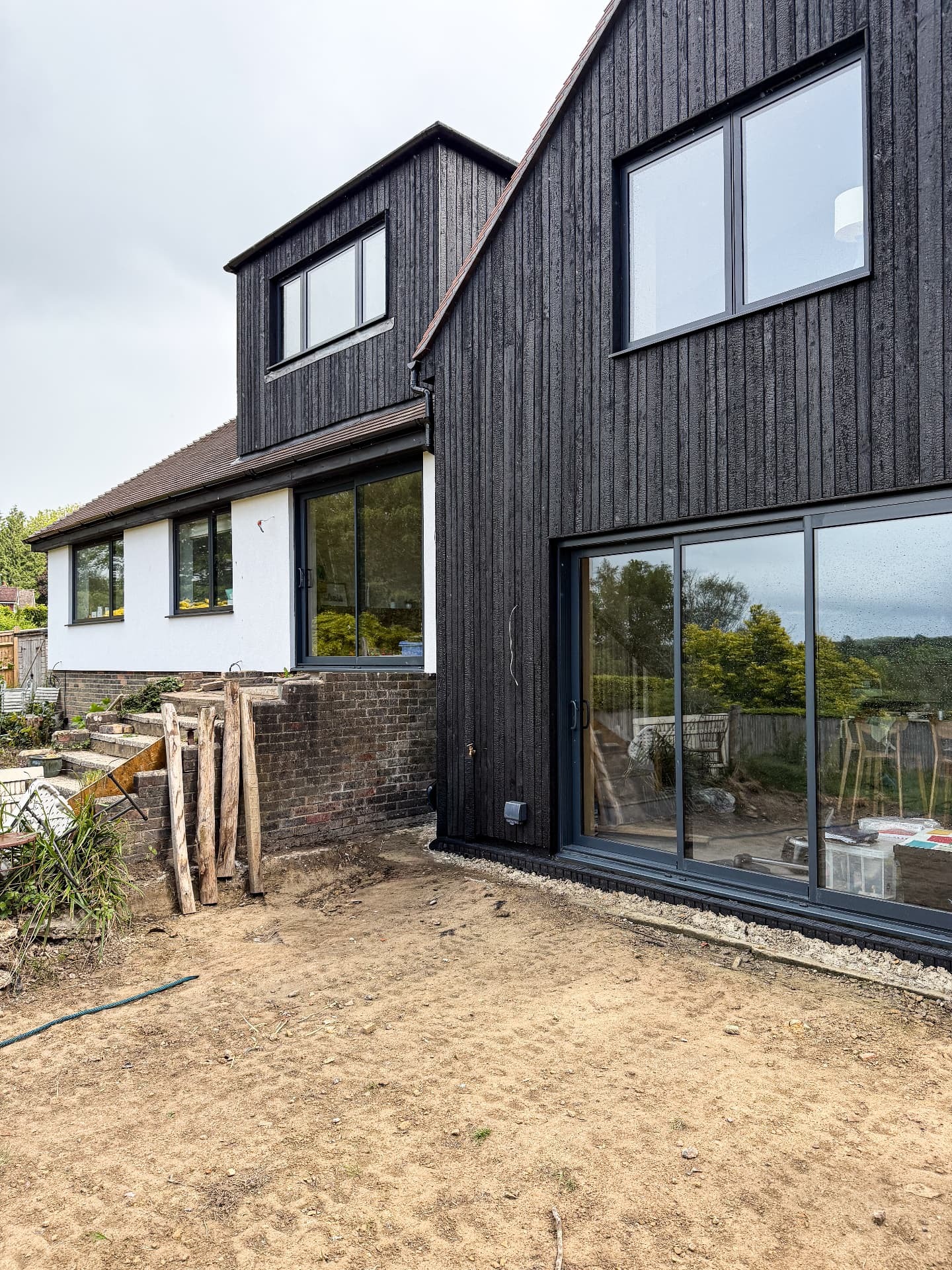
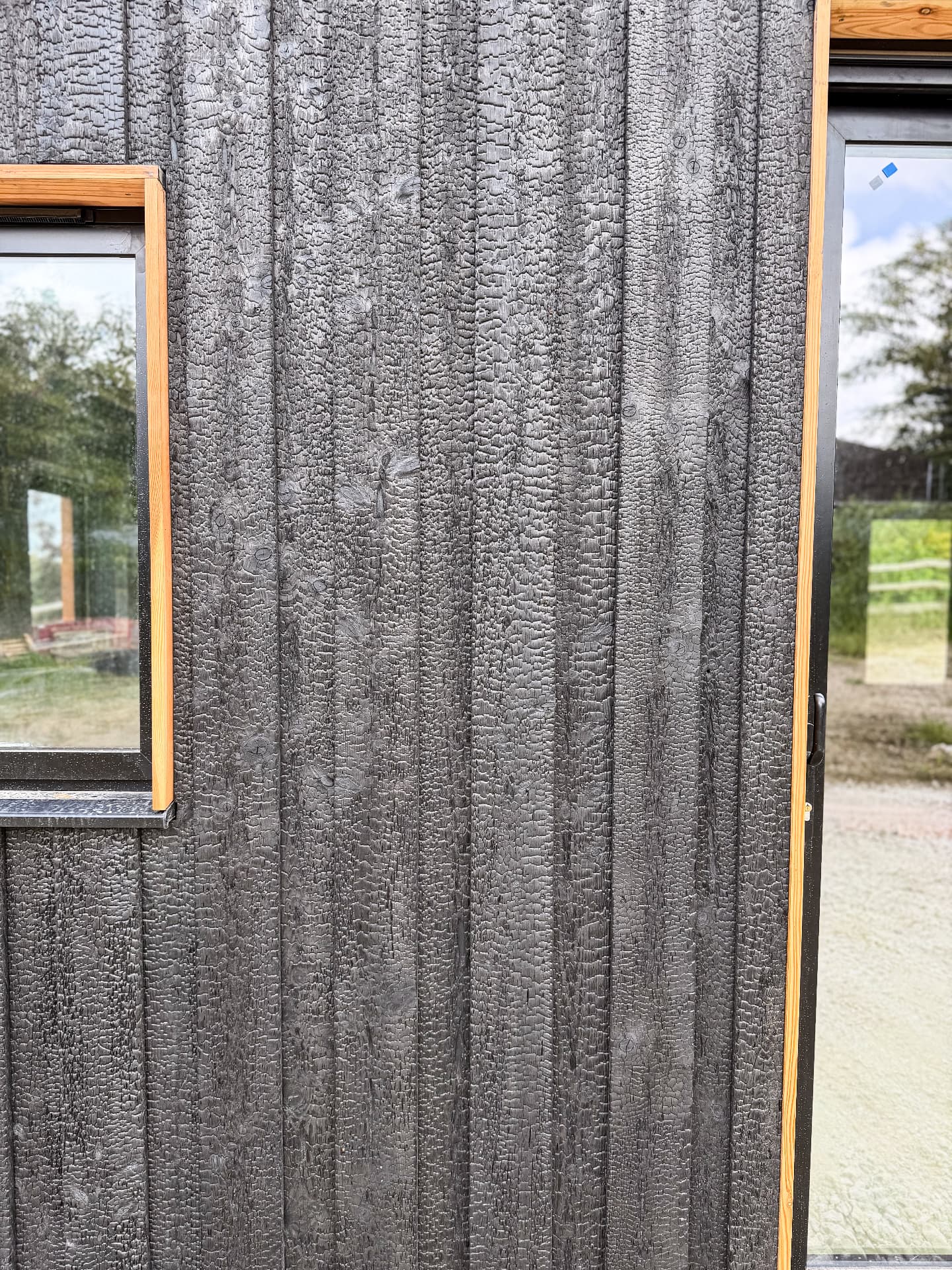
Charring may not result in the same look each time. Sometimes there will be more carbonisation visible, and sometimes it will have been brushed off to show more wood grain. This means that Shou Sugi Ban fences come in some useful design options.
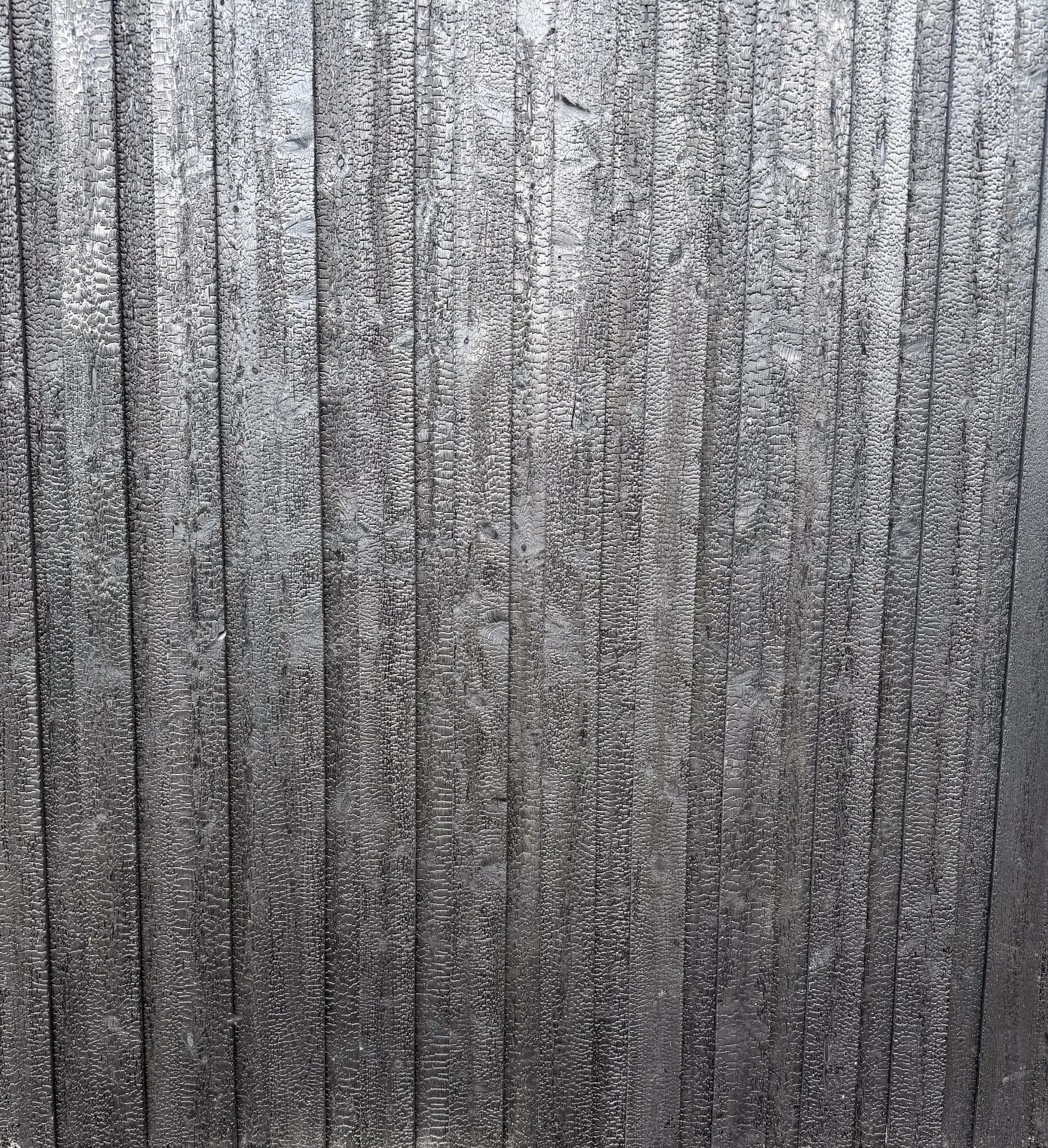
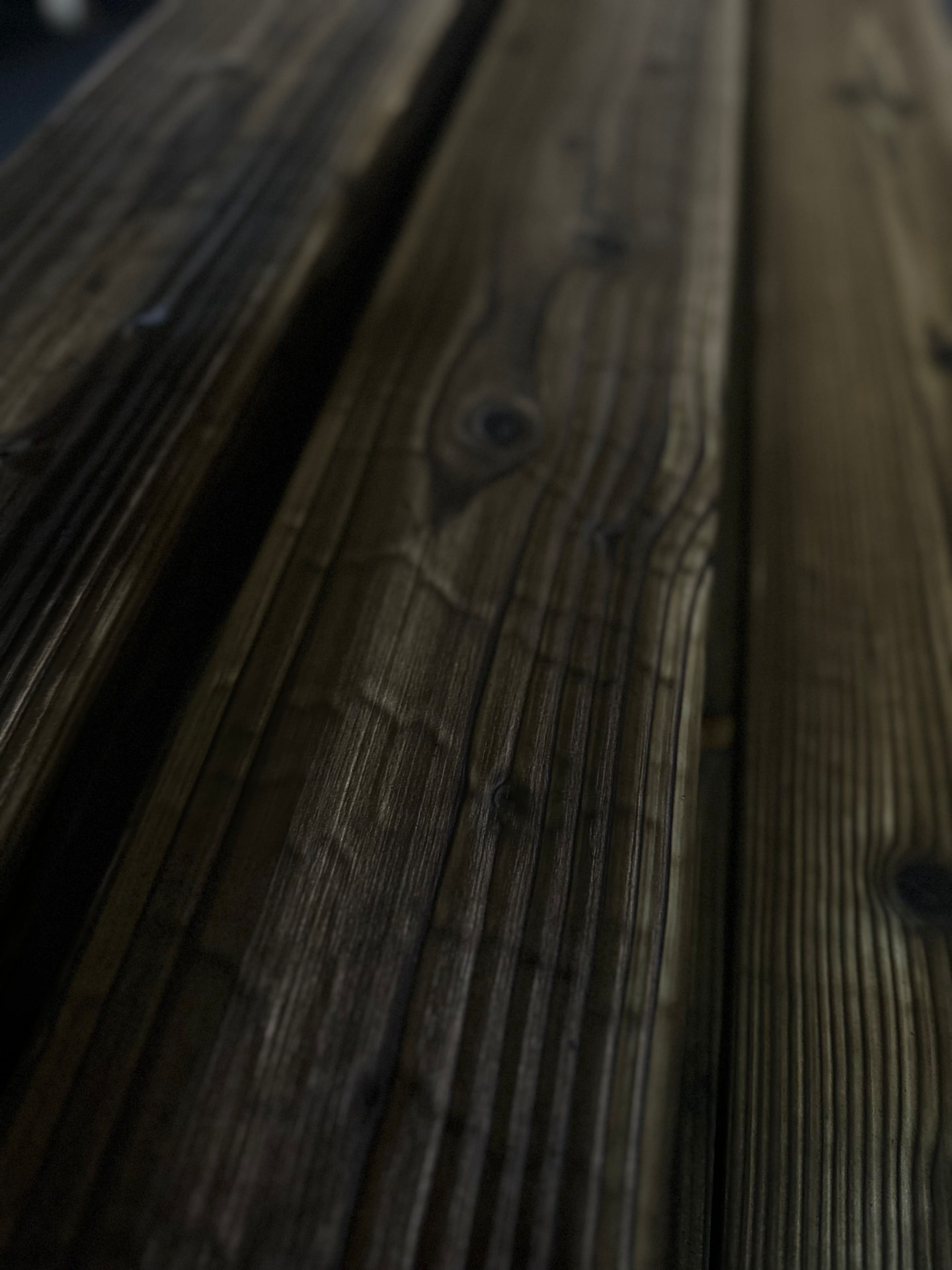
Two of Bauwn’s distinct surface finishes are called KAEN and KIME. KAEN leaves much more of the charring exposed, resulting in a darker and more dramatic effect. KIME has been brushed back to reveal more of the wood grain.
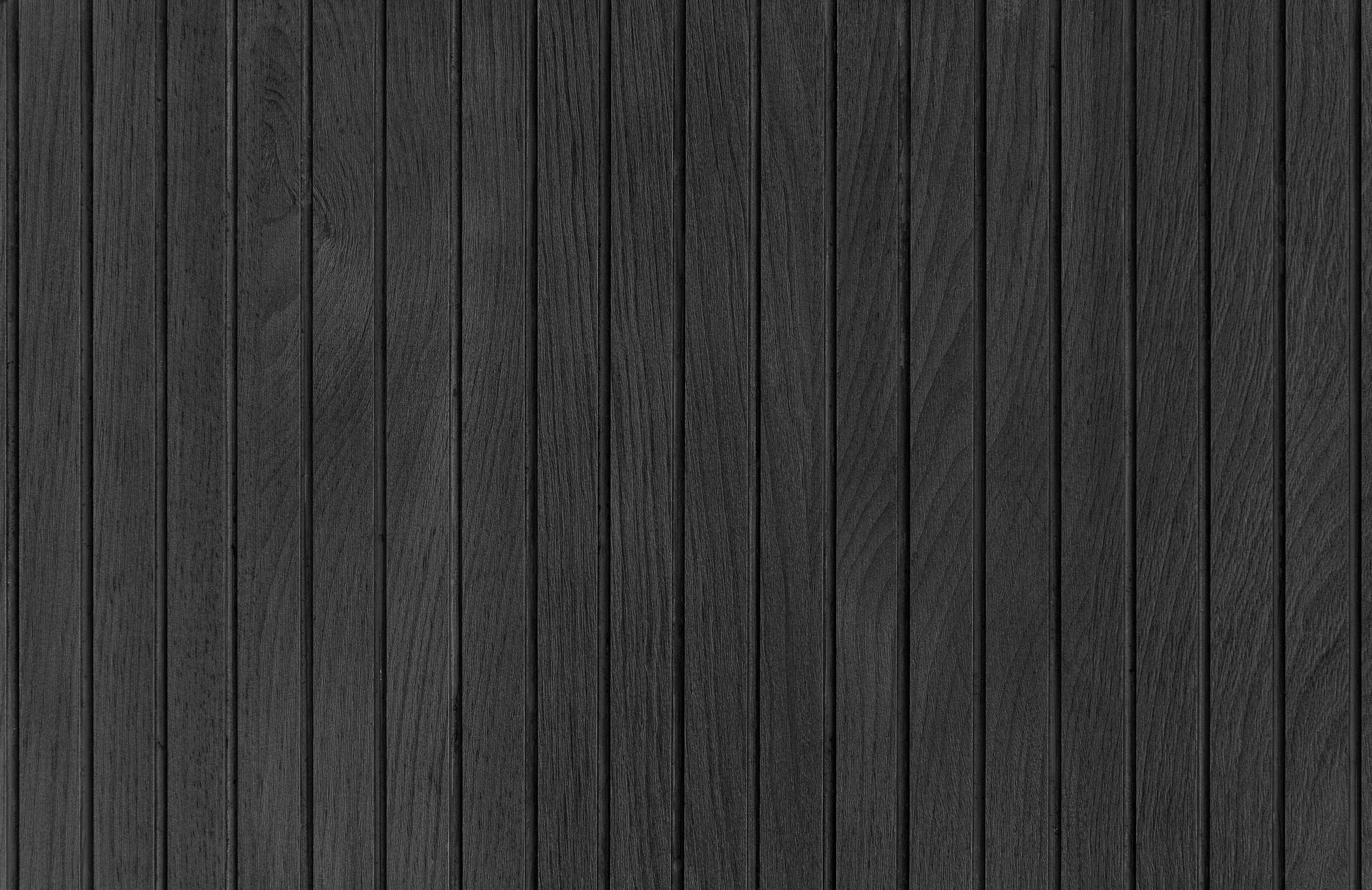
It comes down to the look you want to accomplish. A very dark finish could make for a bold architectural element. A grain-based finish can seem softer and is particularly suited to planting or stone.
Select A Board Direction
The direction of boards has an interesting influence on the visual aspect of a fence.
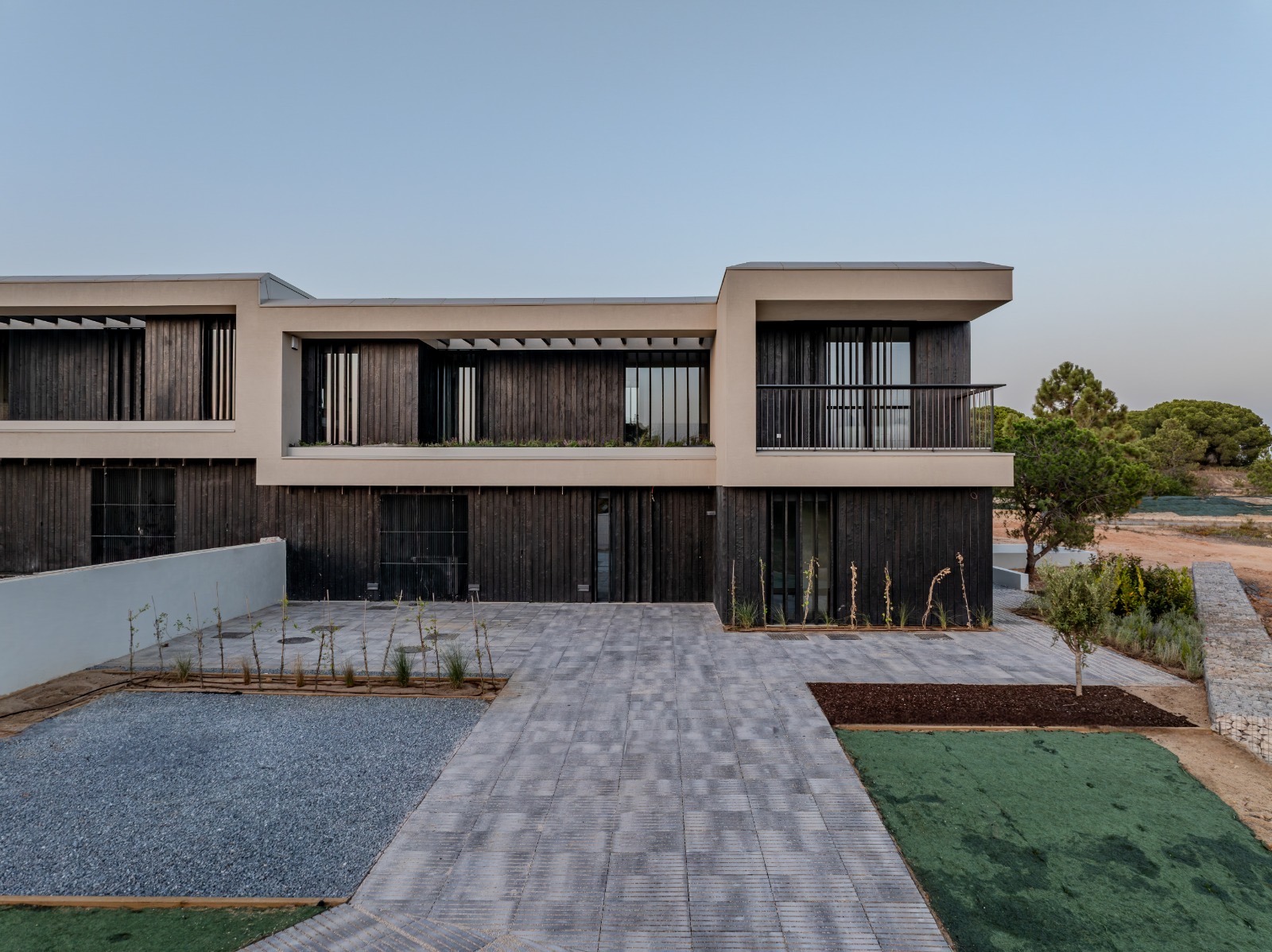
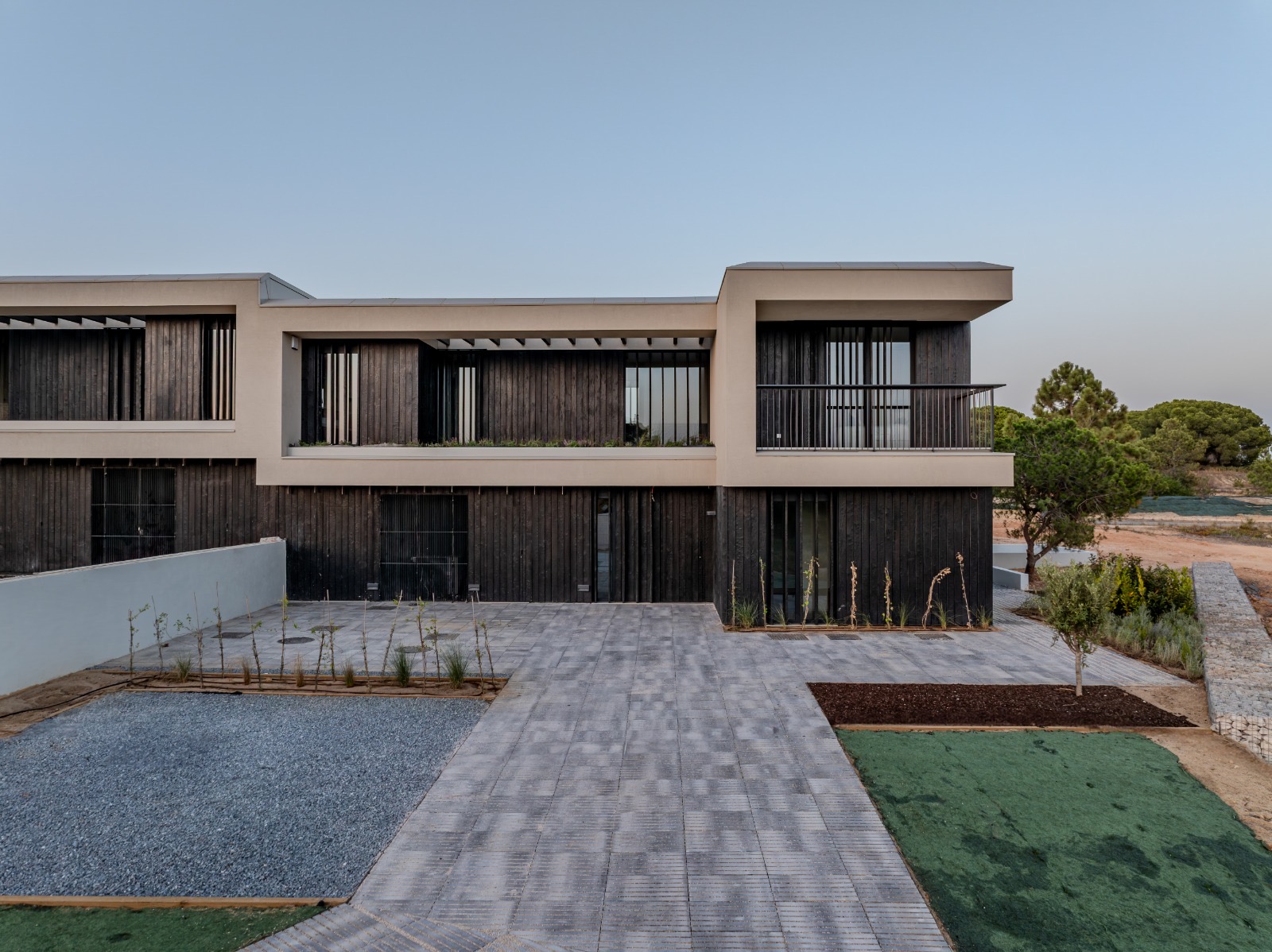
A vertical orientation creates an upward pull and makes the fence appear higher. It is suitable for fences near houses that have high windows or any vertical element.
Whereas a horizontal orientation makes a fence look longer, which is ideal for fences near large gardens and low buildings.
| Layout | Visual Effect | Often Suits |
|---|---|---|
| Vertical | Emphasises height | Tall or narrow spaces |
| Horizontal | Emphasises width | Long Boundaries and gardens |
A Shou Sugi Ban fence should be considered from the main viewing points around the property. Look at it from the house, garden, entrance, and street before deciding which direction works best.
Make Privacy Part Of Design
Privacy is another key aspect when designing fences. Yet, higher fences that are fully closed cannot be used under all circumstances.
First, one should evaluate what needs to be hidden within the boundary in question. For example, if it is a private zone of seating that should be hidden from the outside, a higher fence will be needed, whereas in the case of a garden situated in front of the house, a lower fence will suffice.
In addition, planting can help to achieve the goal without closing the space. Trees, grasses, and shrubs can soften the dark surface of the fence.
Think About Future Weathering
Charring wood will not necessarily remain identical to its original condition after several years of being installed.
The sun, rain, water, and care may transform its look. Some people like to keep a dark black colour, while others enjoy the softness of the wood gained from natural elements.
KAEN keeps the carbonised surface intact, whereas KIME gives a hint of timber grains. Since both have different ageing properties, this has to be taken into account during the decision-making process.
Remember how you want your fence to look after several years, and not only at the moment of installation.
Check The Material Beforehand
Photos are very useful, but they do not necessarily give a full indication of how the charred timber would look at that particular property.
Light will affect the way in which dark timber is perceived. It can look dramatic in direct light but less so in the shade. It can look one way up close and another way further back through a garden setting.
This is why it can sometimes be useful to have comparisons with the existing façade, paving, stone, and plants. In Bauwn's interpretation of charred timber, this is all done with consideration for its use as an architectural material.
Bring The Design Together
Selection of timber and design of the fence should be viewed as a single process.
First, determine the site and choose the right type of timber.
Further, select the surface based on the look that you desire.
Finally, other concerns include board exposure, privacy, height, and the relationship between the fence and the home and garden.
Shou Sugi Ban fences do not require any elaborate details. They can be created using the right types of timber, surface treatment, and the proper board orientation.
Frequently Asked Questions
Which timber is ideal for a charred wood fence?
There is no such thing as an ideal timber for any job since Larch, Japanese Cedar, and Accoya all have qualities that would make them ideal for different applications. Take into account the exposure to weather, size of the fence, grain, stability, and preferred finish when making your choice.
Should the Shou Sugi Ban fence be vertical or horizontal?
It all depends on personal preference, although the choice could depend on the building style and garden size.
Would the charred timber remain black outside?
Not necessarily, since various factors like the sun, rain, moisture, and maintenance, as well as the finish that you would choose for the timber, play a role in how it weathers.
How do you take care of a charred timber fence?
Make sure that the soil where the fence rests is dry to avoid excess moisture in the area. Also, depending on the finish chosen, some maintenance may be required.
Choose With The Property In Mind
A good fence does not have to be the one that is the darkest or the most dramatic fence choice. The fence needs to be suited to the timber, setting, architecture, landscape, and how the space is going to be used.
Should you be wanting a charred timber fence, then Bauwn may be able to assist in choosing the correct timbers and finishes to use. This allows the fence to look like it has been made for the space and to develop with the landscape.