Charred Wood Cladding: What Makes Charred Japanese Wood Different
By BAUWN·30 October 2026·6 min read
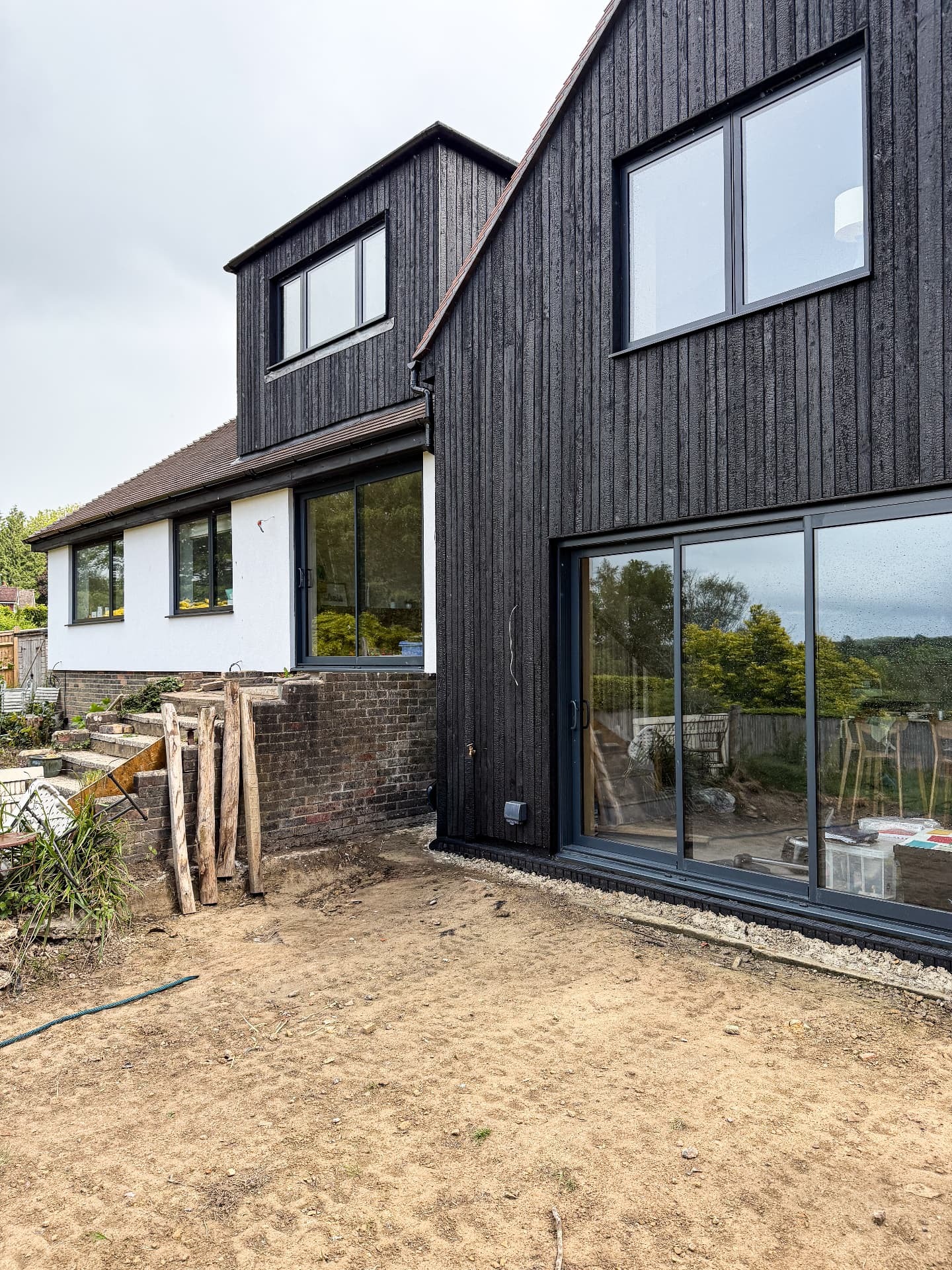
A piece of timber can look completely different after controlled charring. The grain becomes stronger, the surface gains depth, and the wood takes on a character that ordinary painted or stained timber cannot easily reproduce. But there is another important question: why does Japanese Cedar produce such a distinctive result compared with other timber species?
The answer starts with the natural structure of the wood. Japanese Cedar is lightweight, has clear growth rings, and responds particularly well to controlled heat. These qualities make it closely associated with traditional Japanese charring methods and help create the rich texture often wanted in modern architecture.
For anyone considering charred wood cladding, understanding this difference is important. The timber species does not simply affect colour. It influences how the surface chars, how the grain appears, how the finished boards feel, and how the material looks as it ages.
Japanese Cedar Has A Unique Structure
The Japanese Cedar, which is also called Cryptomeria japonica, has a unique natural construction. It is a fairly light softwood that has growth rings and an elegant grain.
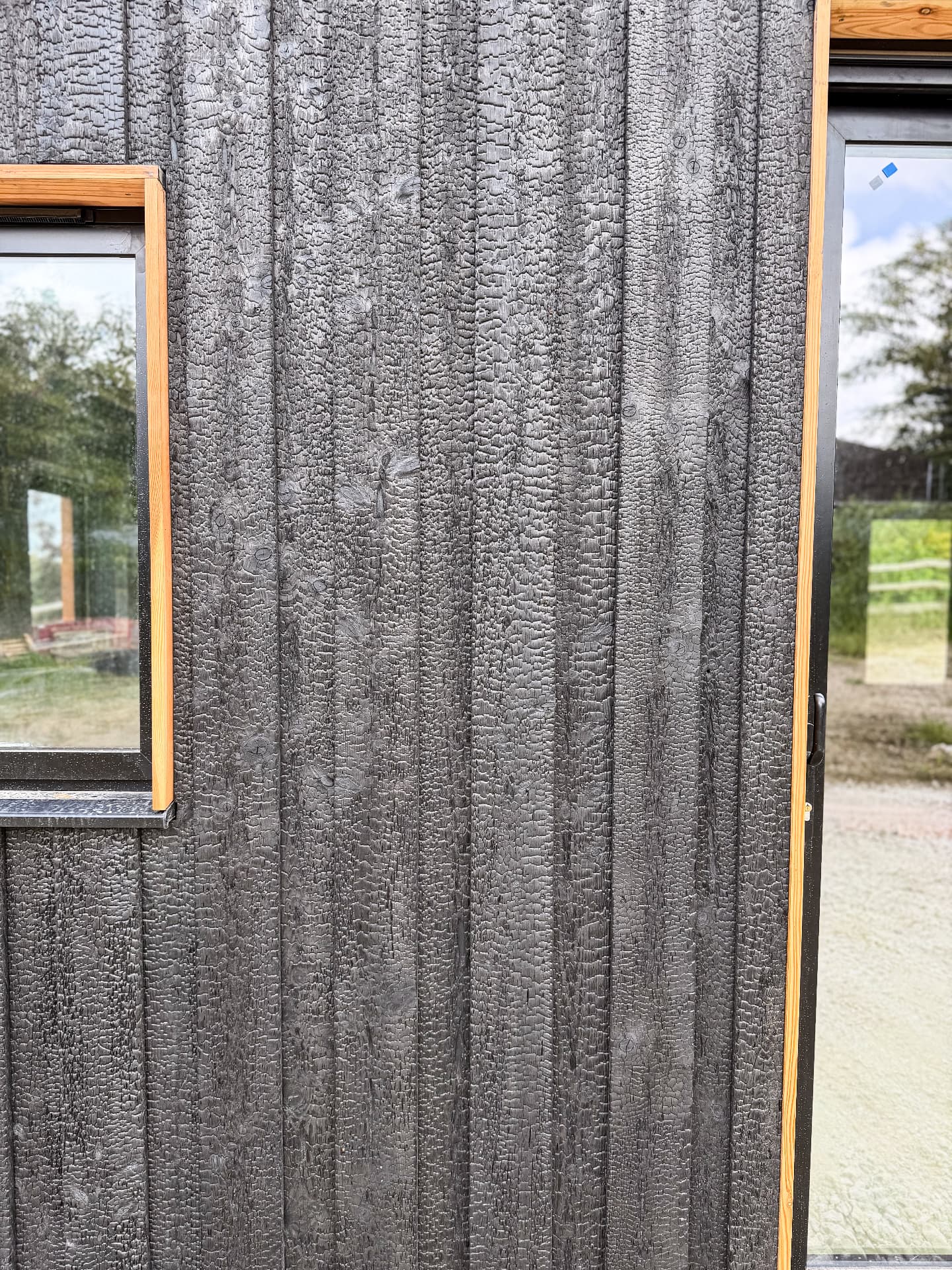
All of these features will become evident especially when the wood is being charred. The heat affects the soft and hard parts of the wood in different ways. After the wood is brushed, the difference between the growth rings will be even more pronounced. It is one of the reasons why charred Japanese wood looks more than just painted black.
The fire interacts with the natural structure instead of covering it. The result can have:
- Stronger grain definition
- Deeper surface texture
- Natural variation between boards
- A darker and more architectural appearance
- Different levels of texture depending on the finishing method
Grain Creates A Stronger Texture
Probably the easiest distinction between the two timbers is the grain.
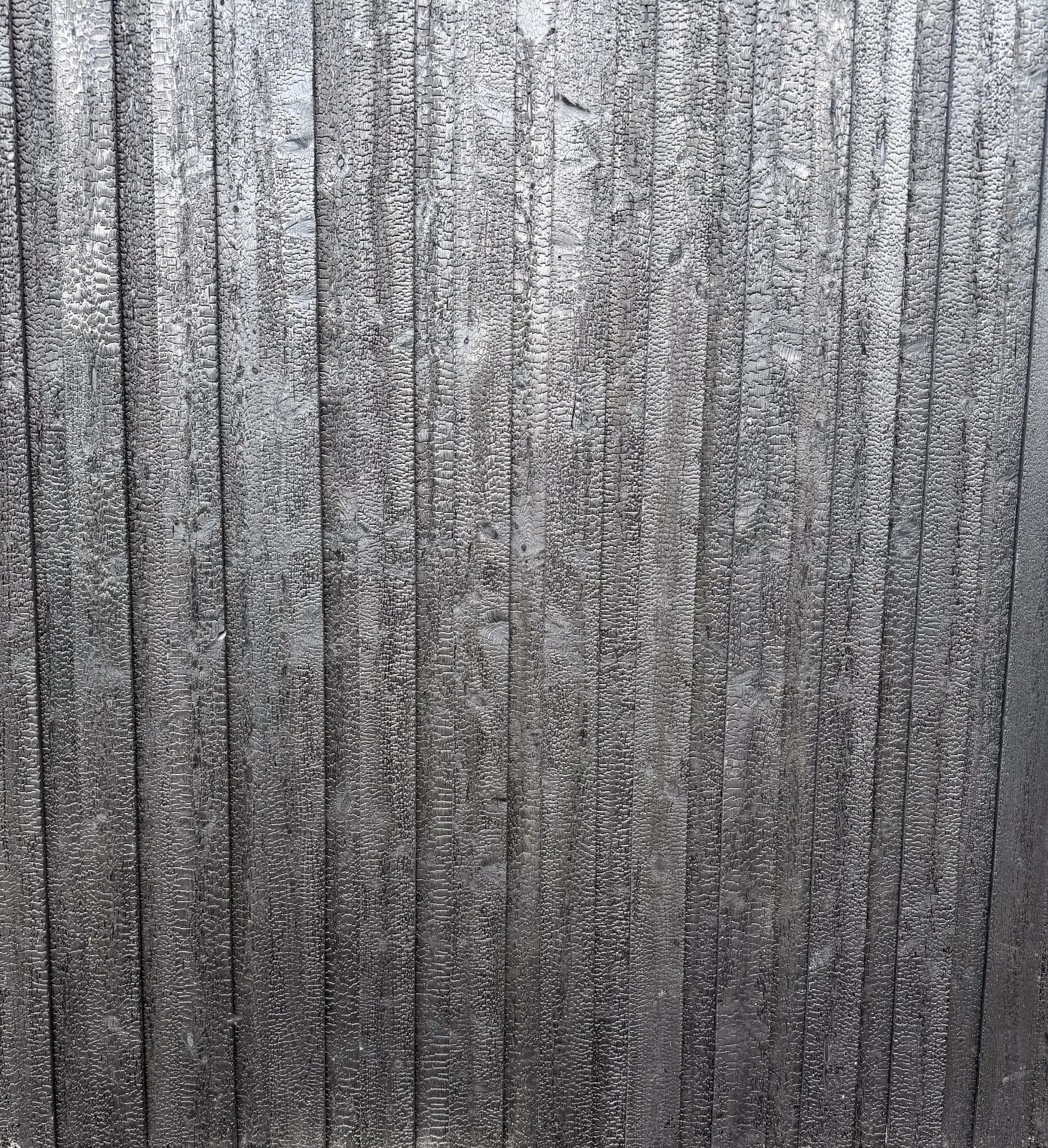
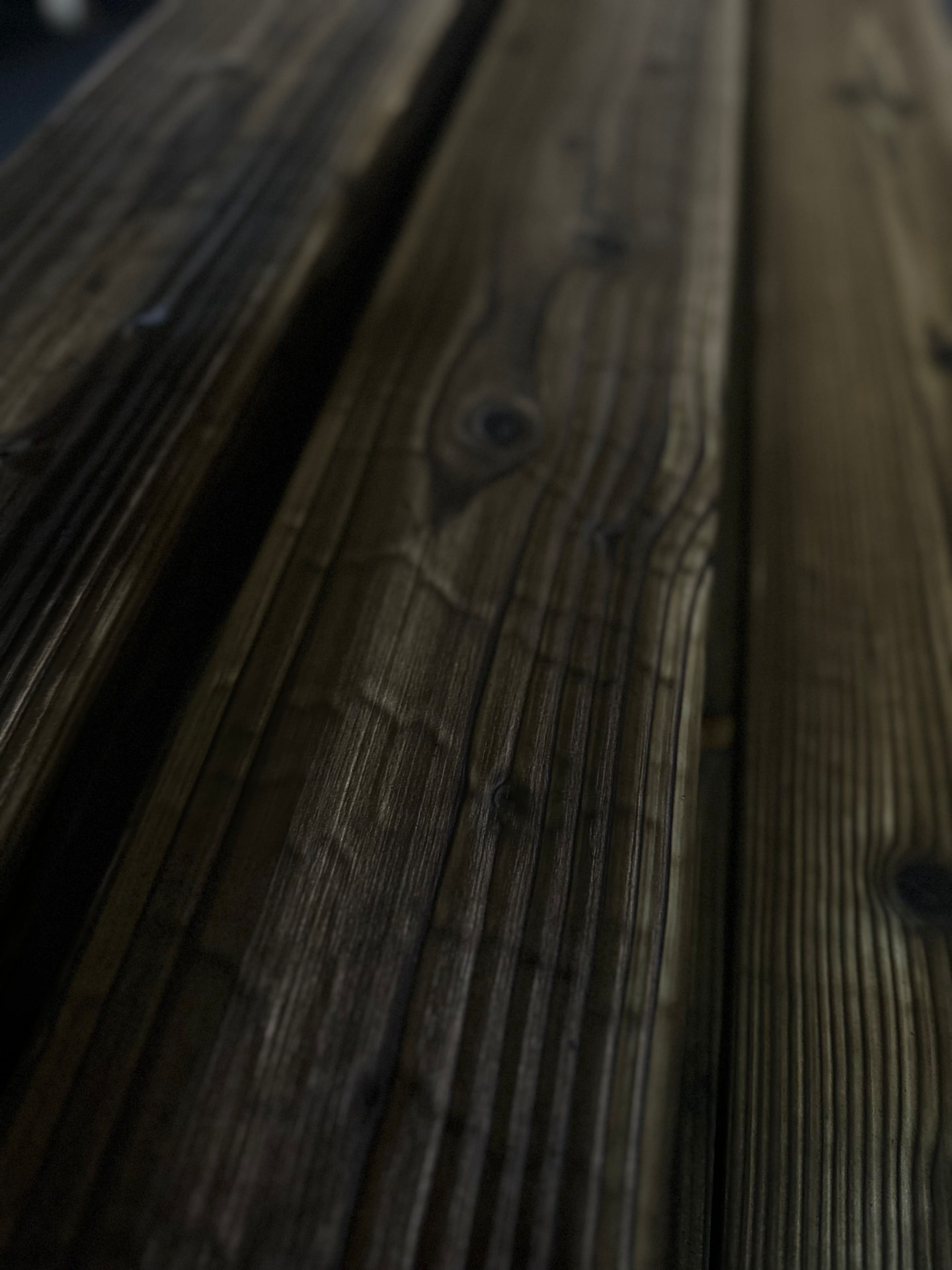
In Japanese Cedar, the rings tend to be quite wide. After charring and brushing the timber surface, the softer elements become easier to remove in contrast to the harder growth rings. In this way, high and low points are created on the board.
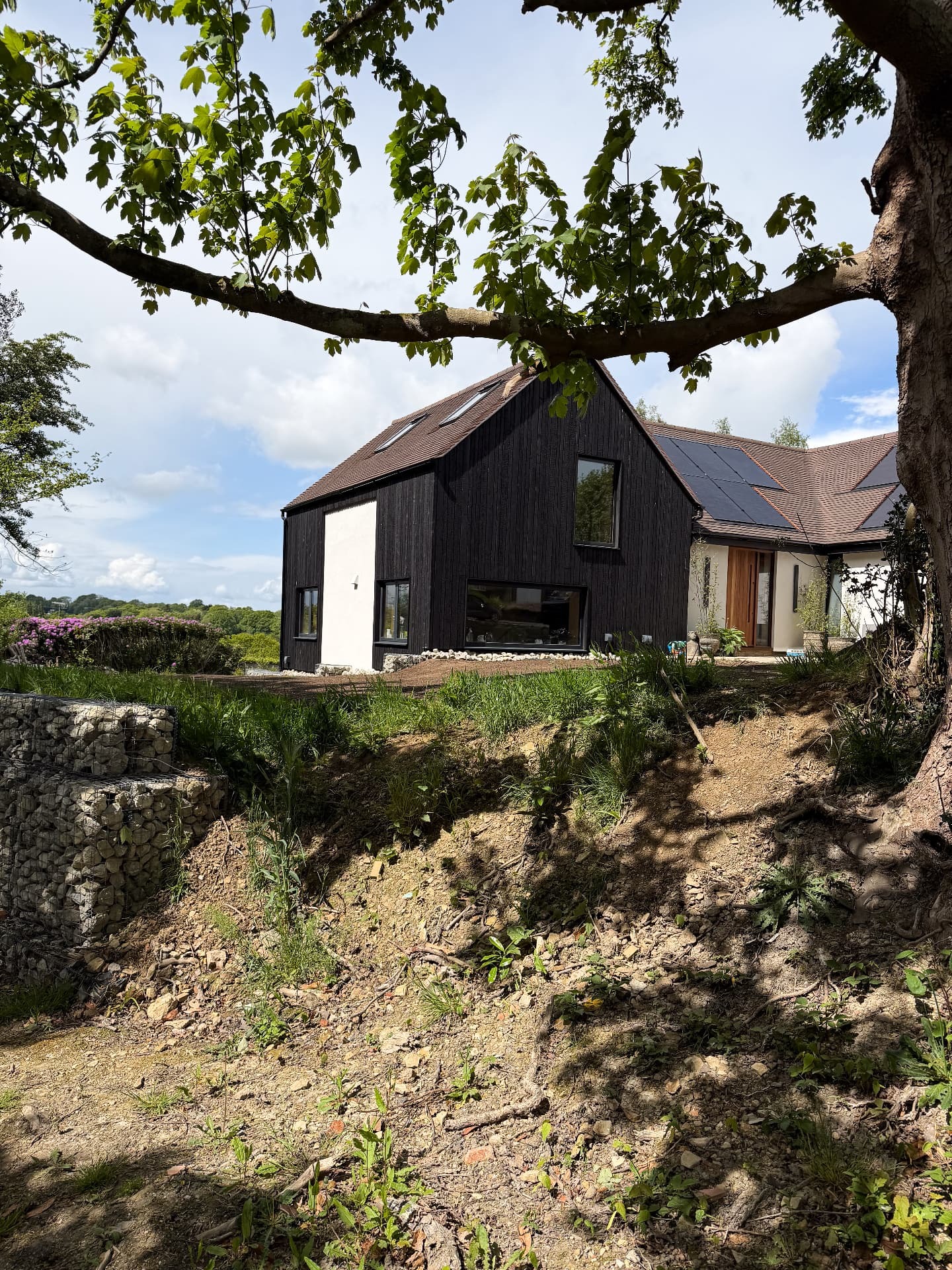
When light falls on these changes in depth, from one side the timber looks almost black, while from the other side the grain is clearly distinguishable. This makes the charred timber cladding especially useful when the texture plays an important role in architectural design.
Rather than creating an absolutely flat surface, timber offers natural movement on the façade.
Japanese Cedar And Other Timbers
Japanese Cedar is not the only timber that can be charred. Larch and Accoya can also be used for charred surfaces, but they do not produce exactly the same result.
| Timber | Natural Characteristic | Typical Visual Result After Charring |
|---|---|---|
| Japanese Cedar | Lightweight with clear, wide growth rings | Strong grain, deep texture and distinctive charring |
| Larch | Denser timber with pronounced resin content | Bold grain with a heavier timber appearance |
| Accoya | Modified timber known for dimensional stability | More consistent technical performance with a charred surface |
This comparison is important because choosing timber should not be based only on the colour of the finished board. Japanese Cedar can be a strong choice when the goal is a pronounced relationship between fire, grain, and texture. Larch offers a different natural character, while Accoya can be considered when dimensional stability is a major project requirement. BAUWN's timber collection includes all three options.
Charring Creates Different Surface Effects
Other differences occur because of the way the wood has been treated after the charring process.
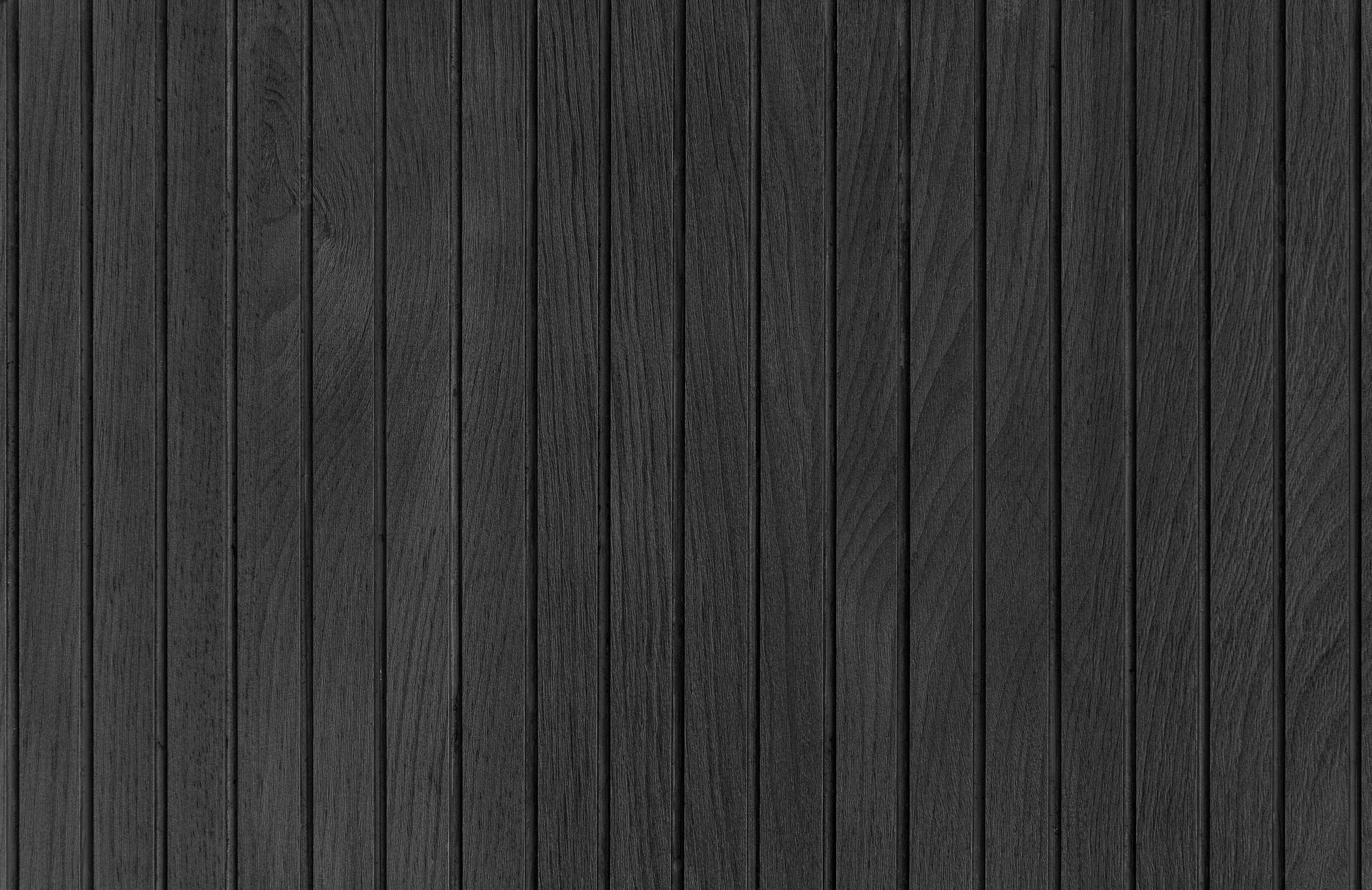
A heavily carbonised surface results in a deep colouration with a somewhat sculptured look. A brushed wood surface results in more visibility of the actual timber and gives better definition through ridges and lines.
The KIME range by BAUWN shows the way brushing reveals the ring growth structure for Japanese Cedar. The colours available are Black, Dark Oak, and Sand Grey, proving that carbonised wood does not always have to be one colour - just black.
The decision is thus made depending on the needs of the project. While one façade might call for a carbonised surface, another building may require more grain detail.
Natural Variation Makes Every Board Different
Another aspect that distinguishes natural wood from artificial cladding is variation.
Wood changes from one tree to another; grain orientation, growth rings, knots, and texture of the wood will differ. These natural characteristics will show in the charring process and will affect the final look.
It means that two boards next to each other will not look the same. For many architects and clients, this fact is an asset, because it makes the façade look natural and does not make it look artificially uniform.
This is why looking at a sample of the product can be important before ordering charred timber cladding for the façade of your building.
Why Japanese Cedar Suits Architecture
Japanese Cedar is especially useful where the wood itself must play an active role in the design.
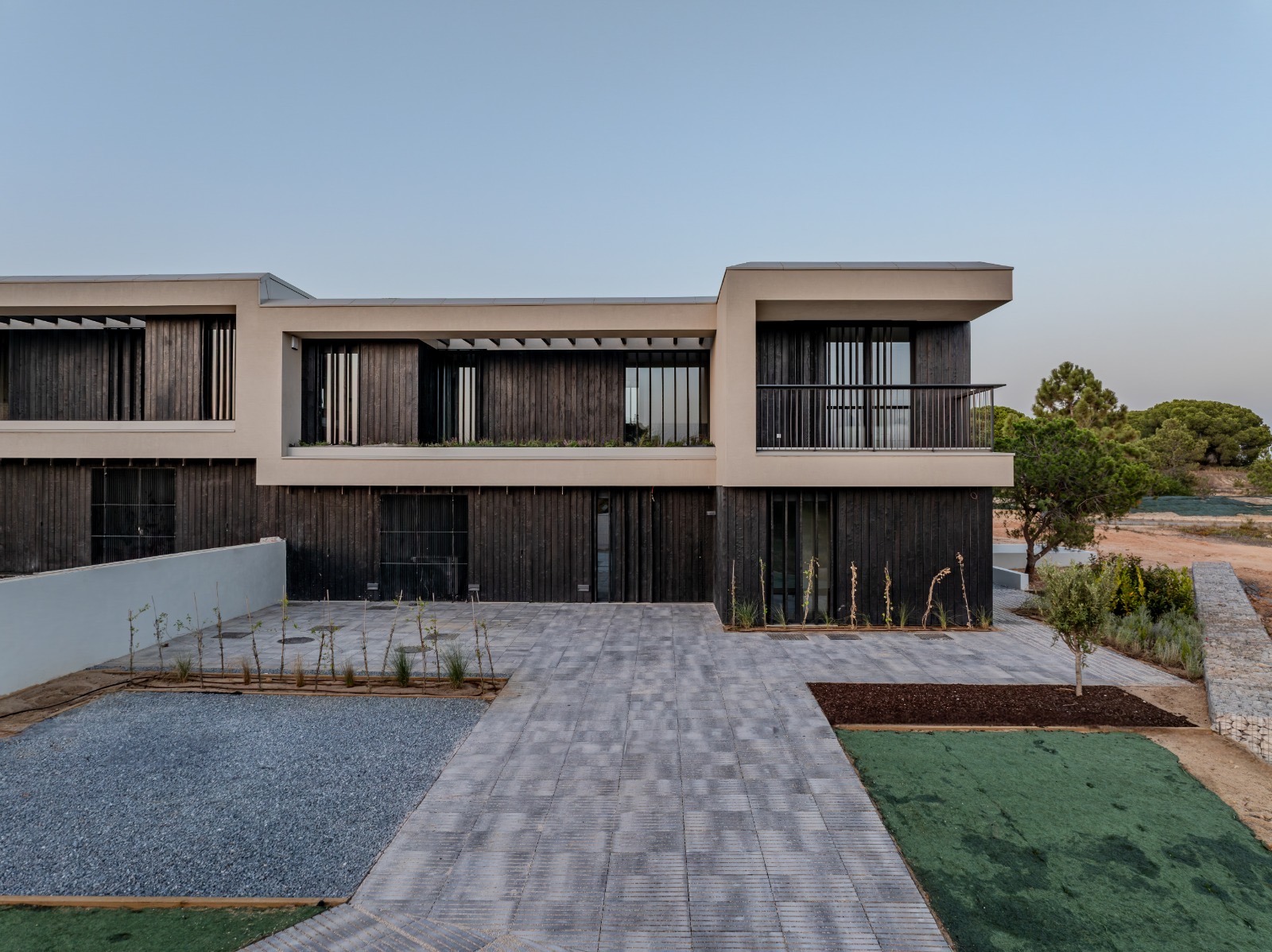
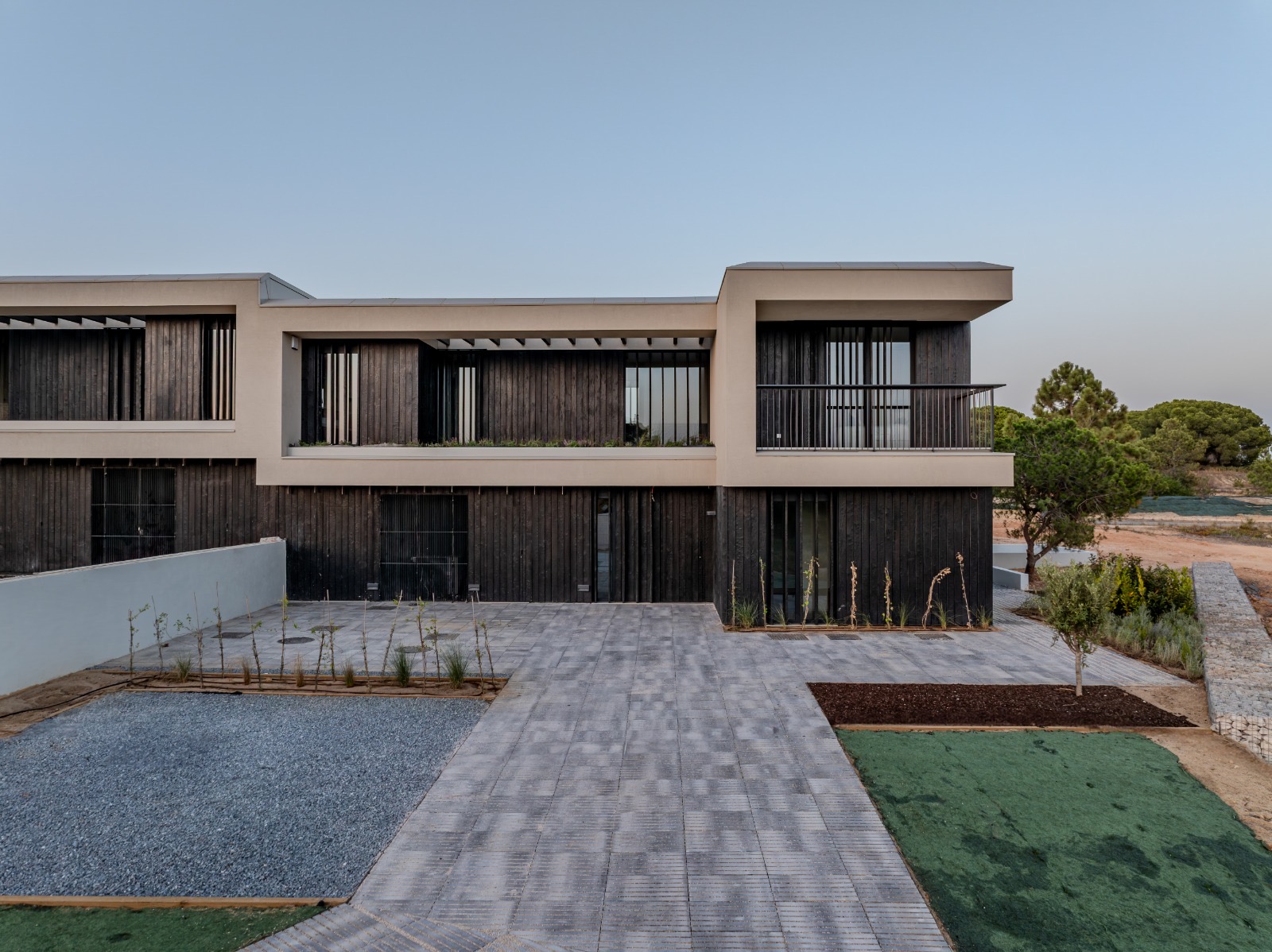
The grain can be used to cast shadows and highlights on the wall surface. The carbon finish gives excellent contrast against stone, concrete, glass, and light-coloured timbers. The brushed finish gives texture without the need for decoration.
It can be used for:
- Exterior building façades
- Feature walls
- Entrance areas
- Garden buildings
- Pavilions
- Sauna exteriors
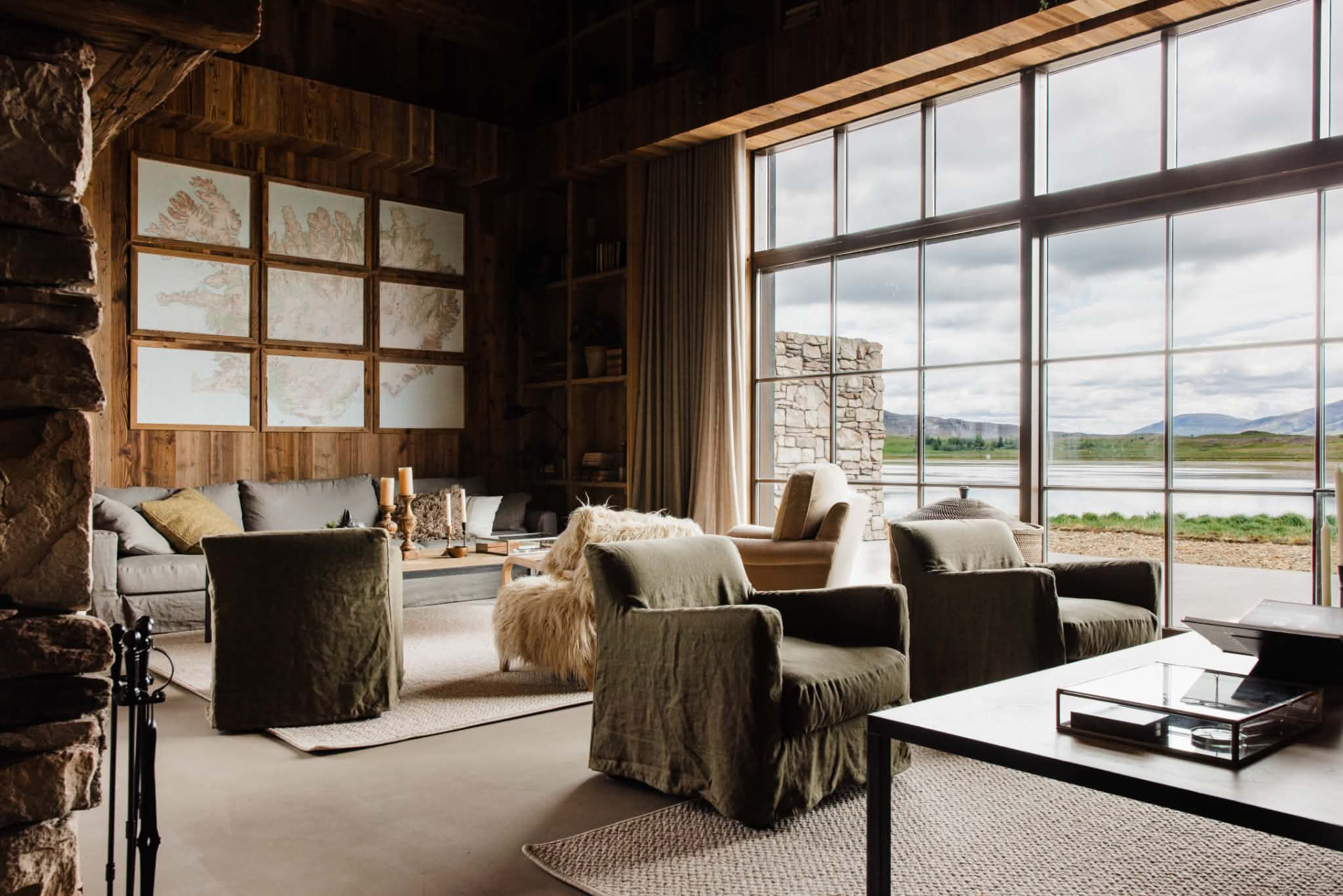
- Selected interior applications
Its relatively light weight can also be useful in projects where material weight needs to be considered. However, the suitability of any timber should always be assessed according to the project's location, design, structure, and installation requirements.
What Makes It Different Overall?
So, what actually makes Japanese Cedar different from other timber?
The answer is a combination of several natural and manufacturing factors:
| Difference | Why It Matters |
|---|---|
| Wide growth rings | Creates strong grain definition |
| Lightweight structure | Allows the timber to respond noticeably to heat |
| Response to controlled charring | Produces a distinctive carbonised surface |
| Burning possibilities | Can expose deeper grain and texture |
| Natural variation | Gives every board individual character |
| Different finish options | Allows designers to control the final appearance |
No single feature creates the finished look. It is the combination of the timber's natural structure and the controlled charring process that gives Japanese Cedar its identity.
Choosing Japanese Cedar For Your Project
The right timber depends on what the project needs to achieve.
Choose Japanese Cedar when natural grain, visible texture, and the relationship between fire and timber are important parts of the design. Consider other species when different performance characteristics, appearance, or dimensional requirements are more important.
Before making a decision, it is worth checking:
- The timber species
- The intended application
- The desired surface texture
- The charring and brushing method
- The expected exposure to weather
- The required maintenance
- The available profiles and installation details
- A physical sample of the finished material
BAUWN provides Japanese Cedar in several surface options, allowing designers to compare different levels of carbonisation and texture before selecting a finish.
Frequently Asked Questions
Is Japanese Cedar better than other timber?
Not necessarily. “Better” depends on the project. Japanese Cedar is particularly attractive when strong grain, natural texture, and a distinctive response to charring are important. Other timbers may be more suitable when different performance requirements are the priority.
Why does Japanese Cedar char so well?
Its lightweight structure and clearly defined growth rings respond strongly to controlled heat. The softer and harder parts of the wood react differently, which can create a pronounced surface after charring and brushing.
Does charred Japanese wood always look black?
No. The final appearance depends on the charring depth and finishing method. Deep carbonised finishes can appear very dark, while brushed surfaces can reveal more of the natural timber and may be available in different tones.
Is Japanese Cedar suitable for exterior cladding?
It can be used for exterior applications when the timber, profile, ventilation, fixing, and drainage details are correctly specified. The installation method should always match the requirements of the building and exposure conditions.
Why should I see a sample before choosing?
A sample shows details that photographs cannot fully communicate, including grain depth, surface texture, colour variation, and how the finish reacts to light. Natural timber also varies from board to board, making physical inspection especially useful.
Let The Timber Tell The Story
The main thing that distinguishes Japanese Cedar from other types of timber is not only its dark colour. It is the ability of its natural texture to work together with controlled burning to give the texture depth, grain, and character.
To explore the Japanese Cedar surface options for your own project, Bauwn can help you compare finishes before you choose.