Accoya vs. Larch vs. Japanese Cedar: Which Species Fits Your Climate?
By BAUWN·11 November 2026·8 min read
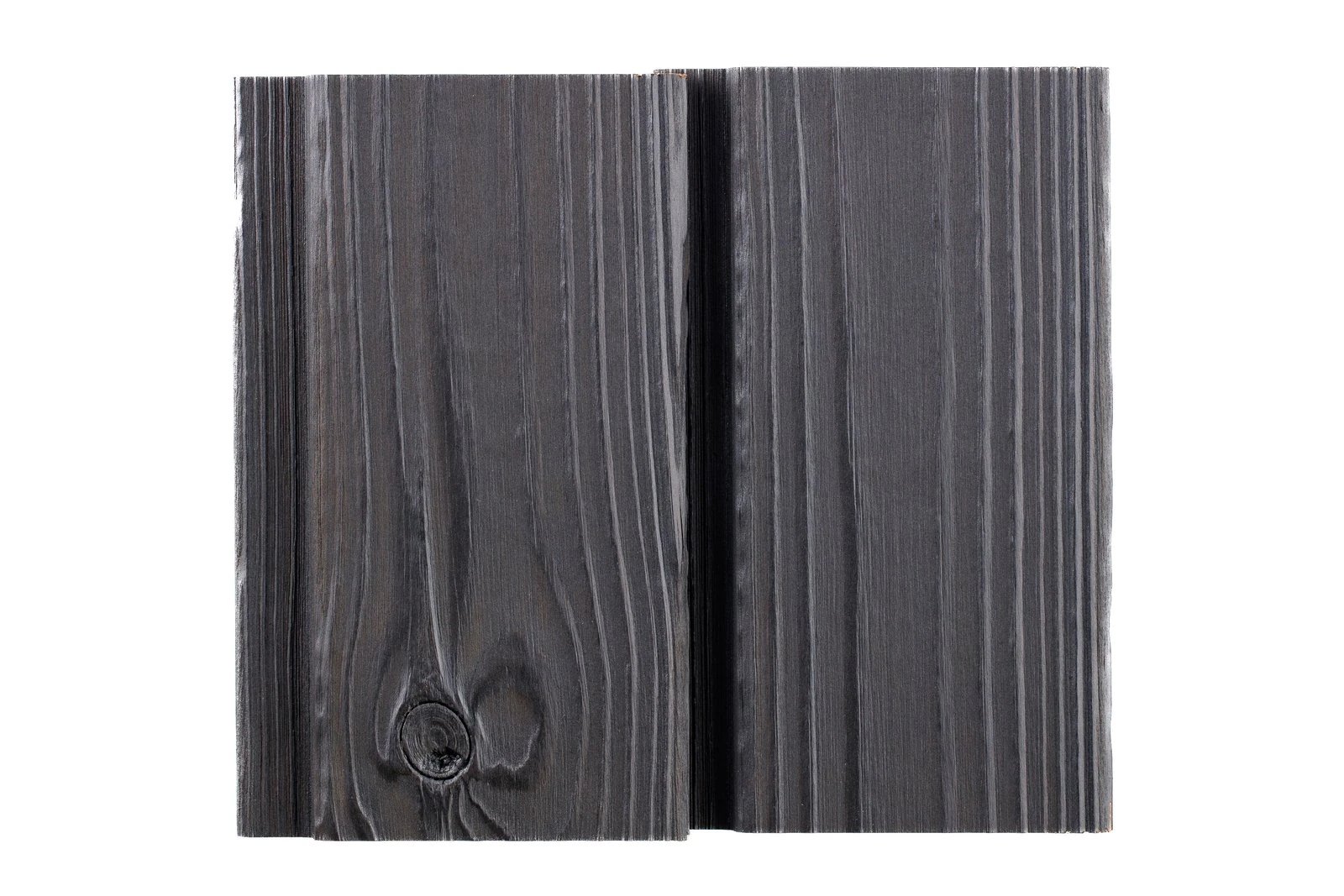
As far as exterior timber is concerned, beauty lies in the eyes of viewers only for a while. Once exposed to years of sun, rain, and changes in season, cladding and decking wood undergo true testing. Choose the wrong wood and even the most attractive architectural masterpiece will turn rotten before long.
Though Accoya, Larch, and Japanese Cedar are all considered premium woods, they are very different from each other. While the former is a high-tech wood with chemically treated properties, the latter two species have inherent natural resistance and charm.
This guide is designed to give some insight into how these species withstand various microclimates and exposure levels in order to help you make the right choice.
Why Climate Matters For Timber
Timber on the outside will be subject to varying weather conditions. Rain, moisture, sunshine, frost, and temperature changes could affect its condition over time.
The nature of timber allows for the absorption and desorption of water. This nature results in dimensional changes, like swelling and shrinking. This can lead to various problems if lumber is incorrectly selected or improperly installed. These problems can range from checking to gap creation, deformation and paint failure.
Before choosing a species, consider:
- Rainfall: Does the area experience frequent rain or long wet seasons?
- Humidity: Will the timber remain damp for extended periods?
- Sun exposure: Will the façade receive strong direct sunlight?
- Coastal conditions: Is the building exposed to salt-laden air and driving rain?
- Temperature changes: Does the area experience freezing winters and hot summers?
These conditions help determine the level of stability, durability, protection, and maintenance your project may require.
Accoya For Changing Weather Conditions
There are many differences between Accoya and other types of wood. Firstly, it is created from sustainably sourced radiata pine, which is then subjected to a process called acetylation. It allows for altering the wood's moisture-absorbing capabilities and ensuring better dimensional stability.
It makes Accoya an appropriate choice for construction sites where movement needs to be monitored.
Usage areas for Accoya
- Places with constant changes in terms of temperature and humidity.
- Exterior façades where dimensional stability is important.
- Construction where precise gaps and detailing are required.
- Applications where reduction of swelling and shrinking will increase durability of the whole project.
Accoya is also known for its durable class of wood and manufacturer warranties depending on specified use and conditions of the product. Still, it cannot be regarded as maintenance-free wood and is not invulnerable to improper installation.
Even a stable wood type may face difficulties if water gets trapped behind the cladding or the installation process is incorrect. On the other hand, for those who want to compare exterior materials, Accoya products by BAUWN deserve consideration.
Larch For Natural Exterior Character
Larch is one of the timbers preferred for exterior applications as it offers strength together with a unique natural appearance.
The performance is determined by the type of species, grade, amount of heartwood, exposure, and detailing. Not all Larch products have similar properties when it comes to durability and moisture resistance.
Where Larch can be used
- Buildings where the natural appearance of the timber is important.
- Walls that allow proper ventilation and drainage.
- Where the building design requires visibility of the grain.
- Buildings where the client can accept natural weathering and/or regular maintenance of the timber surface.
One thing worth noting about Larch is that it tends to change its colour due to exposure to sun and weather conditions. The untreated surface might age and gain a silver colour due to the natural weathering process.
However, parts that will be exposed to moisture or lack of ventilation can age differently, and for that reason, reasonable detailing is vital.
Japanese Cedar For Lightweight Design
Japanese Cedar is a timber with a relatively low density, straight grain, and warm reddish-brown appearance. The appearance of Japanese Cedar may add a soft and natural element to external architectural projects.
However, the performance of Japanese Cedar will depend greatly on the quality of the timber, the presence and proportion of heartwood and sapwood, the type of preservative used, and installation conditions.
When Japanese Cedar could be a good fit
- Architectural projects where natural appearance of timber is desired.
- External projects which would benefit from a lightweight solution.
- Buildings which have been designed with proper protection of external elements.
- Architectural projects which would benefit from grain visibility and soft timber characteristics.
Japanese Cedar cannot always be considered a suitable choice for wet and/or coastal environments. The specification of the product must suit the exposure class of the building project. When choosing between Japanese Cedar and Larch, remember that appearance alone is not the key factor.
Comparing The Three Timber Options
Each material has a different strength. The following comparison provides a starting point for evaluating them.
| Consideration | Accoya | Larch | Japanese Cedar |
|---|---|---|---|
| Material type | Acetylated radiata pine | Natural softwood | Natural softwood |
| Main strength | Dimensional stability | Natural character and strength | Lightweight appearance and straight grain |
| Moisture movement | Generally low | More natural movement | Requires product-specific assessment |
| Appearance | Can accept different finishes | Warm grain and natural tones | Reddish-brown tones and straight grain |
| Weathering | Depends on finish and exposure | Can develop a silver-grey appearance | Can change colour with exposure |
| Main selection priority | Stability | Natural timber character | Lightweight, expressive design |
This comparison should not replace the technical data for a particular product. Durability, finish, treatment, and installation specifications can vary between suppliers.
Which Timber Fits Your Climate?
It becomes quite obvious which option is better, taking into consideration the environment around the building.
Wet or humid environment:
Timber that will resist moisture is very important. Accoya might be chosen for the purpose if reduced movement is required. Larch and Japanese cedar can also be considered, depending on product specifications, detailing and exposure.
Coastal environment:
High winds carrying salt-laden air and wind-driven rain, plus strong sunlight, are an additional burden for exterior materials. Don't select the type of timber depending only on species. Pay attention to finishing, fixing details, ventilation, and maintenance requirements.
Hot and sunny climate:
Strong sunlight will cause timber to fade and affect exterior finishes. Pay attention to orientation of the façade, exposure to UV, and what kind of appearance you would like your timber to have - natural or aged one.
Cold climate:
Freezing and thawing cycles can require more attention to water resistance. It shouldn't accumulate behind cladding and at joints. Stable timber can be beneficial, but proper installation will also do the trick.
Various exposure conditions may exist on various sides of the same structure. A wall that receives direct afternoon sunshine may require a different strategy than one that is sheltered and dries more slowly.
Installation Can Change Timber Performance
Selecting the correct material is just one factor in determining whether exterior cladding will work successfully.
Even a good choice of material can fail if moisture cannot escape from behind the cladding or if air is not able to move freely behind it.
When selecting materials, you need to make sure that these key details have been attended to:
- Ventilation cavity: Ensure there is an adequate cavity behind the cladding for ventilation and drying.
- Water drainage: Ensure that water cannot get trapped in the joints and details.
- Fixings: Ensure compatible fixings are used, as per the timber manufacturer's recommendation.
- Allowance for movement: Consider the natural movement of the chosen material.
- Cut edges: Ensure cut edges are protected as specified by the product specification.
These details should be thought of at the design stage rather than once the boards are installed.
Questions To Ask Before Buying
When choosing a particular timber product, you should ask some questions of your supplier or architect:
- Is it appropriate to use this timber with regard to the exposure it will have in the local climate?
- What are the durability data for the particular product?
- Will it need any kind of finishing to increase its lifespan?
- How will its colour and texture change over time?
- What maintenance can I anticipate?
- What are the installation instructions for this particular cladding system?
Moreover, find out whether the provided durability data apply to heartwood, treated wood, or the whole product.
Frequently Asked Questions
Is Accoya better than Larch for exterior cladding?
Accoya generally offers greater dimensional stability because of its acetylation process. Larch, however, provides natural grain and character. The better option depends on the project's exposure, appearance requirements, maintenance expectations, and budget.
Can Japanese Cedar be used in wet climates?
It can be used in suitable exterior applications, but the exact product specification matters. Check its durability, treatment, finish, and installation requirements. Proper drainage and ventilation are particularly important in areas with frequent rainfall.
Does Larch turn grey outdoors?
Untreated Larch can gradually develop a silver-grey appearance when exposed to sunlight and weather. The rate and consistency of colour change depend on exposure, moisture, and the building's orientation.
Is Accoya maintenance-free?
No timber should be considered completely maintenance-free. Accoya offers improved dimensional stability and durability, but its finish, fixings, installation details, and surrounding conditions still need attention.
Which timber is best for a coastal property?
No single timber is best for every coastal building. Consider wind-driven rain, salt exposure, sunlight, ventilation, and the required maintenance. Compare the technical specifications of the actual products before making a decision.
Choose Timber With Your Climate In Mind
Each of these types of timber has something unique. Accoya is a good choice when it comes to timber stability. Larch is ideal for projects that require natural grain and timber that can change character. Finally, Japanese Cedar provides an elegant look with straight grain.
The correct choice depends on the conditions of exposure, design features, and maintenance schedule of the building and not on selecting the most beautiful sample.
In BAUWN, when considering the use of timber, you should first determine how this material is going to work under the given conditions. Choose from the existing species and finishes, order some samples, and then evaluate their performance relative to the façade design and local weather conditions.
If you have problems choosing between Accoya, Larch, and Japanese Cedar, share your project location, façade orientation, and preferred finish with our specialists at BAUWN. This way, you will have a realistic basis for timber selection before you specify materials for your project.