Japanese Larch: A Complete Guide to Durable and Stylish Timber Cladding
By BAUWN·20 March 2026·4 min read
When it comes to selecting the right timber for construction and exterior design, Japanese larch has become a preferred choice for architects, builders, and homeowners alike. Known for its durability, aesthetic appeal, and sustainability, Japanese larch timber offers a versatile solution for both modern and traditional projects. In this blog, we’ll explore everything you need to know about Japanese larch wood, its benefits, applications, and why Japanese larch cladding is gaining popularity across the industry.
What is Japanese Larch?
Japanese larch (scientifically known as Larix kaempferi) is a fast-growing conifer native to Japan. It is widely cultivated for its high-quality timber, which combines strength with visual elegance. Unlike many softwoods, larch japanese timber is known for its resilience and resistance to harsh environmental conditions, making it suitable for outdoor applications.
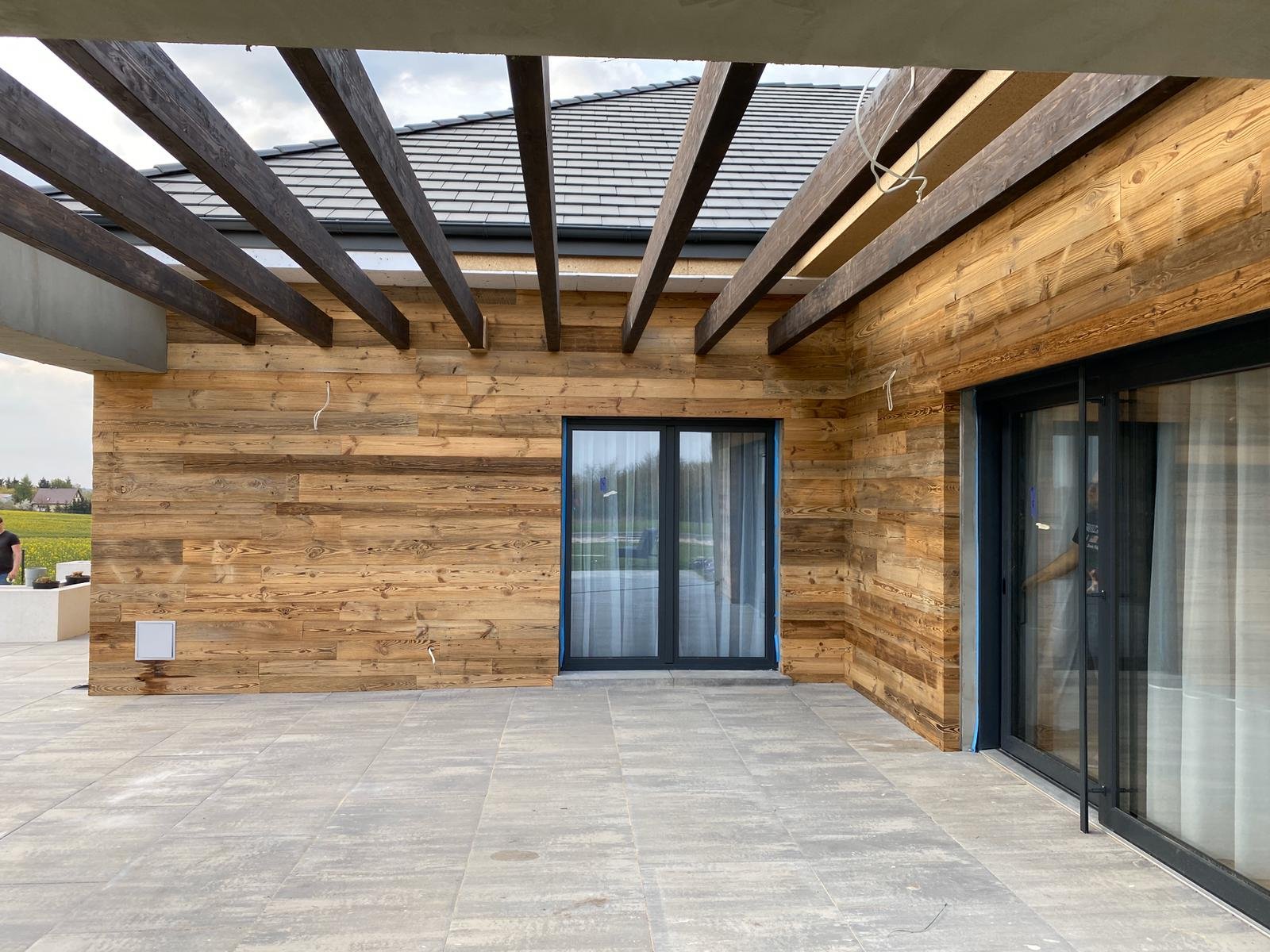
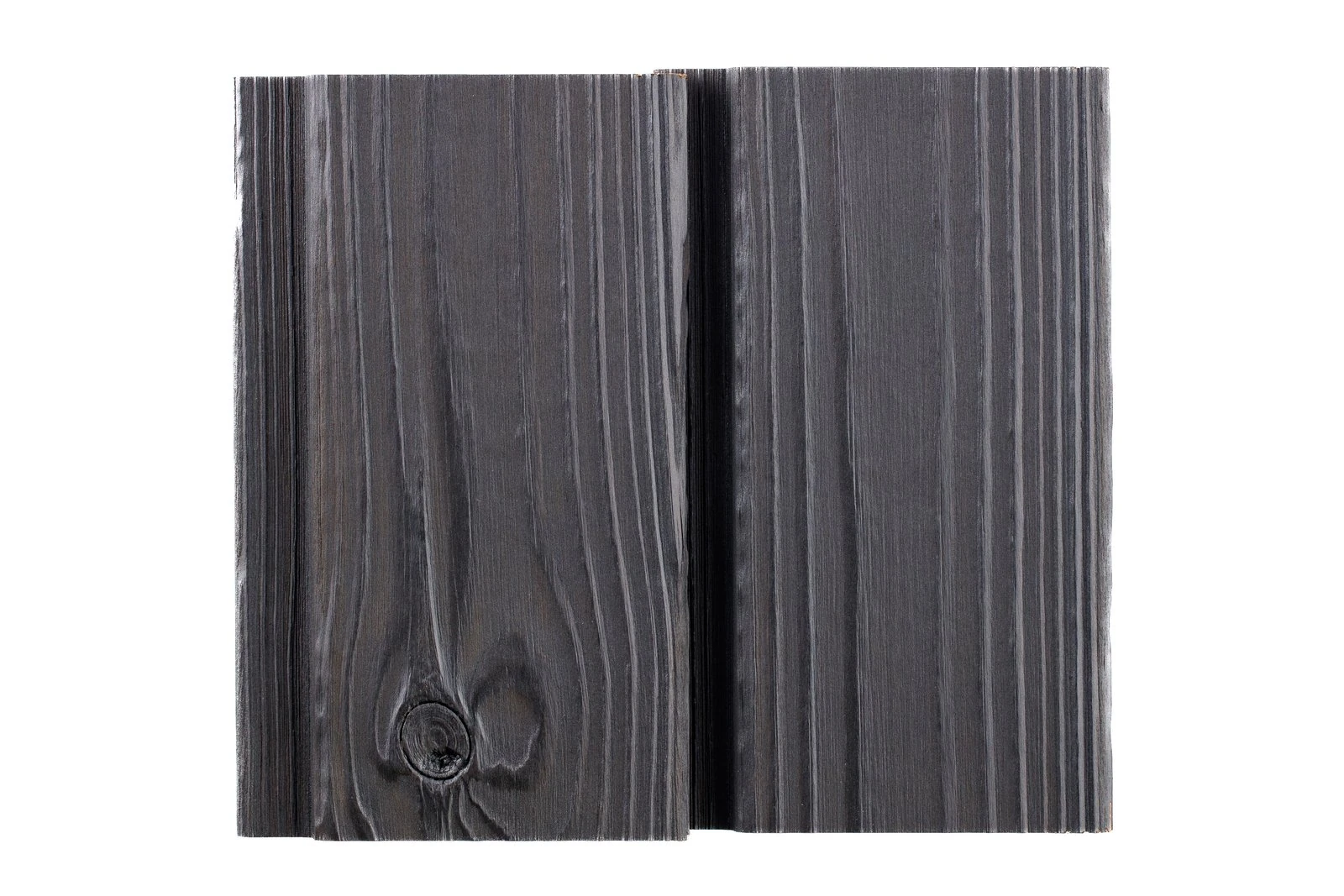
The wood typically features a warm golden-brown tone that weathers beautifully over time, often developing a silvery-grey patina if left untreated. This natural aging process adds character and charm to structures, making japanese larch wood a favorite in contemporary architecture.
Key Characteristics of Japanese Larch Wood
1. Durability and Strength
One of the standout qualities of Japanese larch wood is its exceptional durability. It is naturally resistant to decay and insect attacks, making it ideal for exterior use without the need for heavy chemical treatments.
2. Weather Resistance
Japanese larch performs well in a variety of climates. Whether exposed to rain, wind, or sunlight, it maintains its structural integrity, making it a reliable choice for cladding and outdoor structures.
3. Attractive Grain Pattern
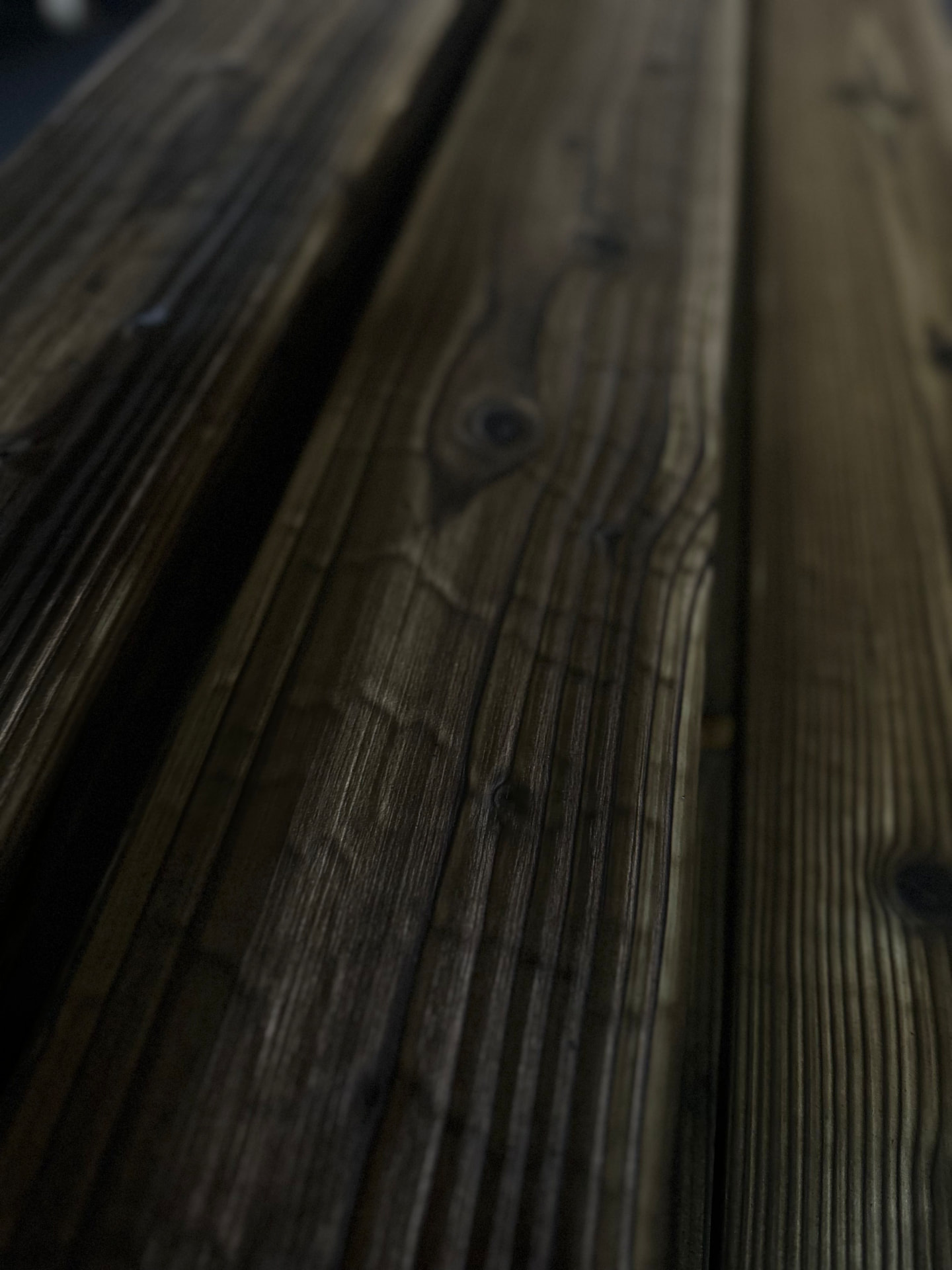
The wood features a distinctive grain with knots and texture that add visual interest. This makes larch Japanese timber perfect for creating unique and natural-looking facades.
4. Sustainability
Sourced from responsibly managed forests, Japanese larch wood is an eco-friendly option. Its fast growth rate also makes it a renewable resource, aligning with modern sustainability goals.
Why Choose Japanese Larch Cladding?
Aesthetic Appeal
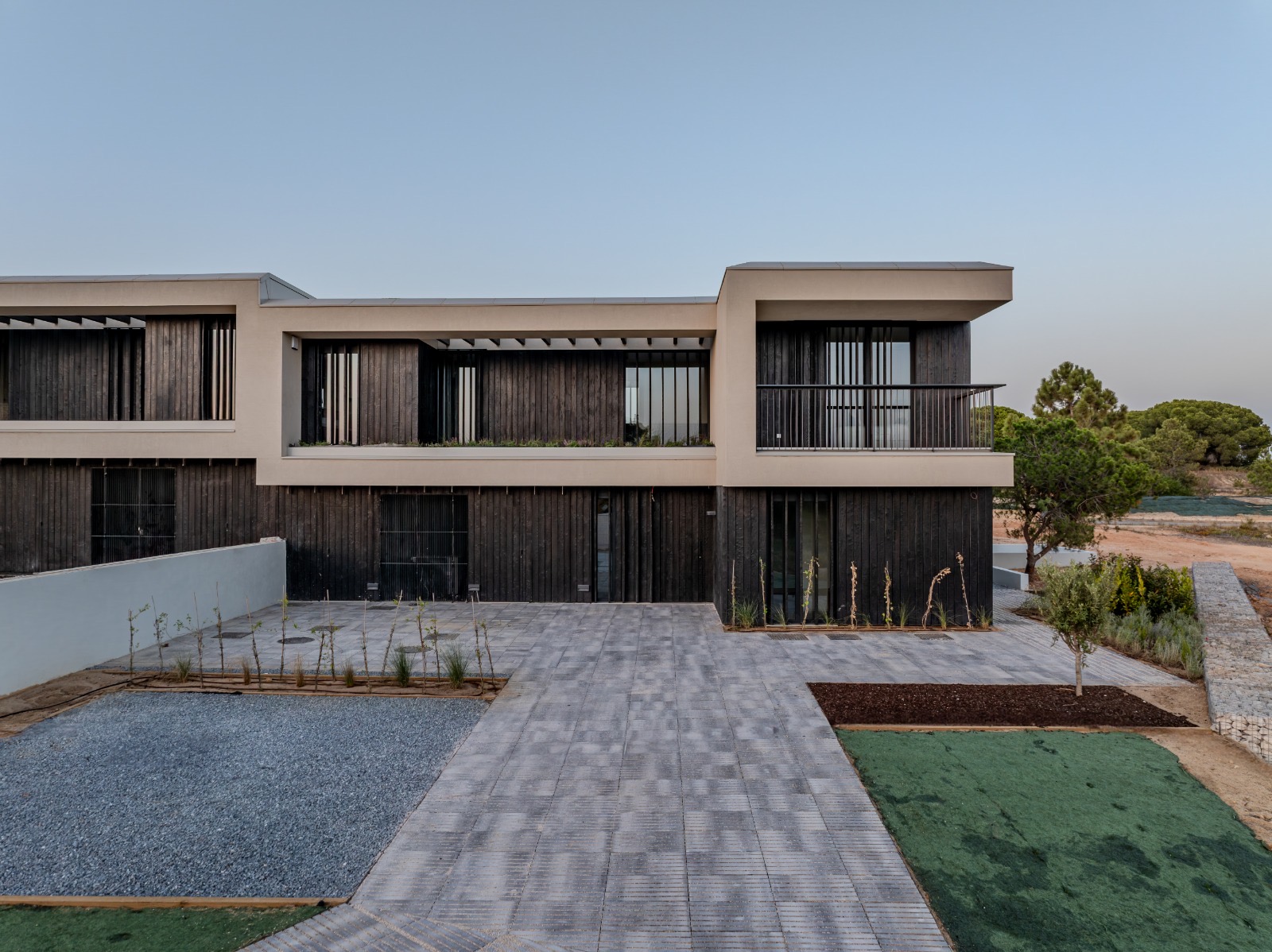
Japanese larch cladding enhances the exterior of buildings with its natural warmth and texture. It complements a wide range of architectural styles, from rustic cabins to sleek modern homes.
Low Maintenance
Compared to other timber options, Japanese larch requires minimal maintenance. While it can be treated to maintain its original color, many prefer its natural weathering process, which reduces upkeep costs.
Cost-Effective
Despite its premium appearance, larch Japanese timber is relatively affordable compared to hardwood alternatives. This makes it a cost-effective solution for large-scale projects.
Versatility
Japanese larch cladding can be installed in various profiles, including:
- Horizontal boards
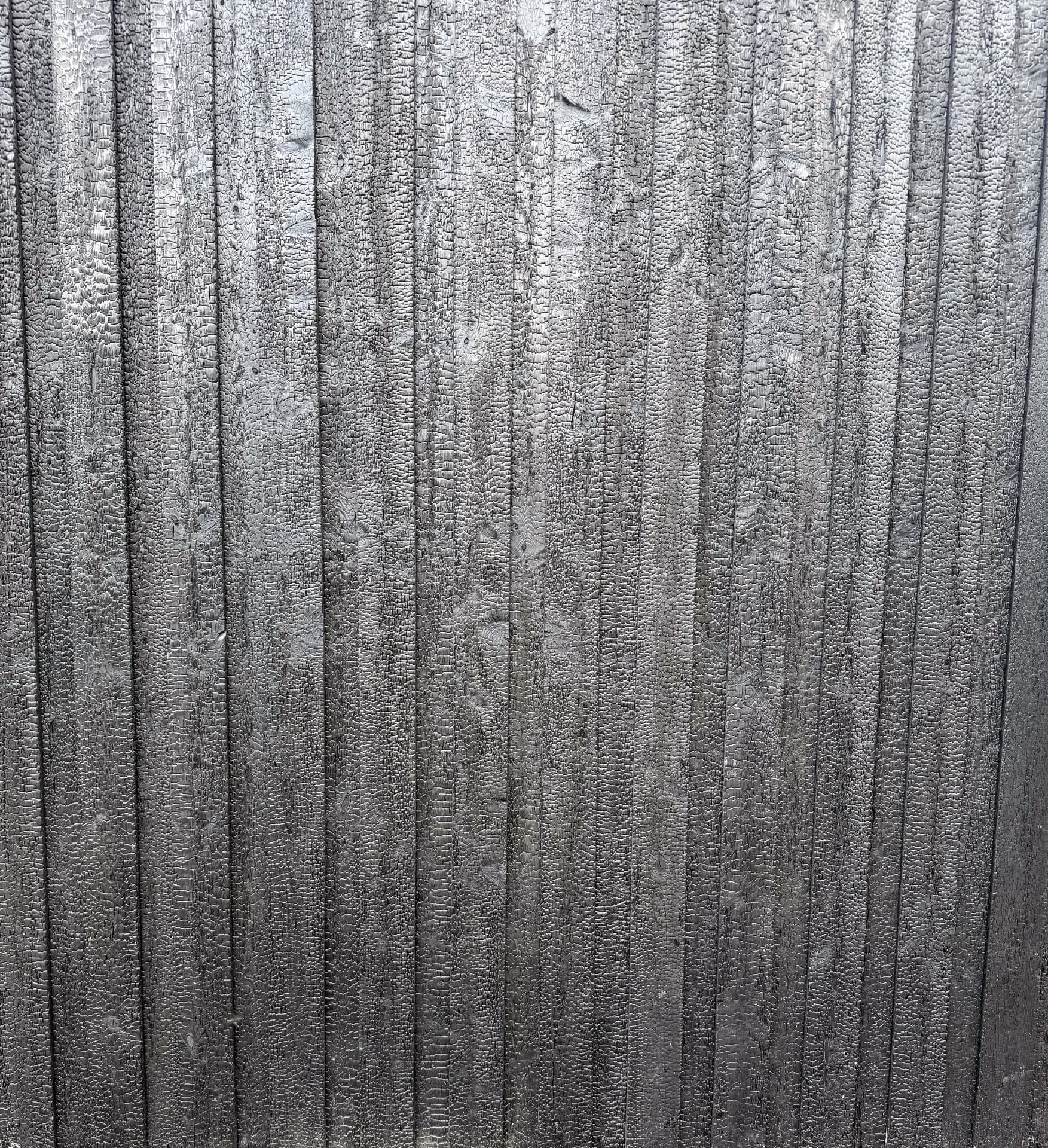
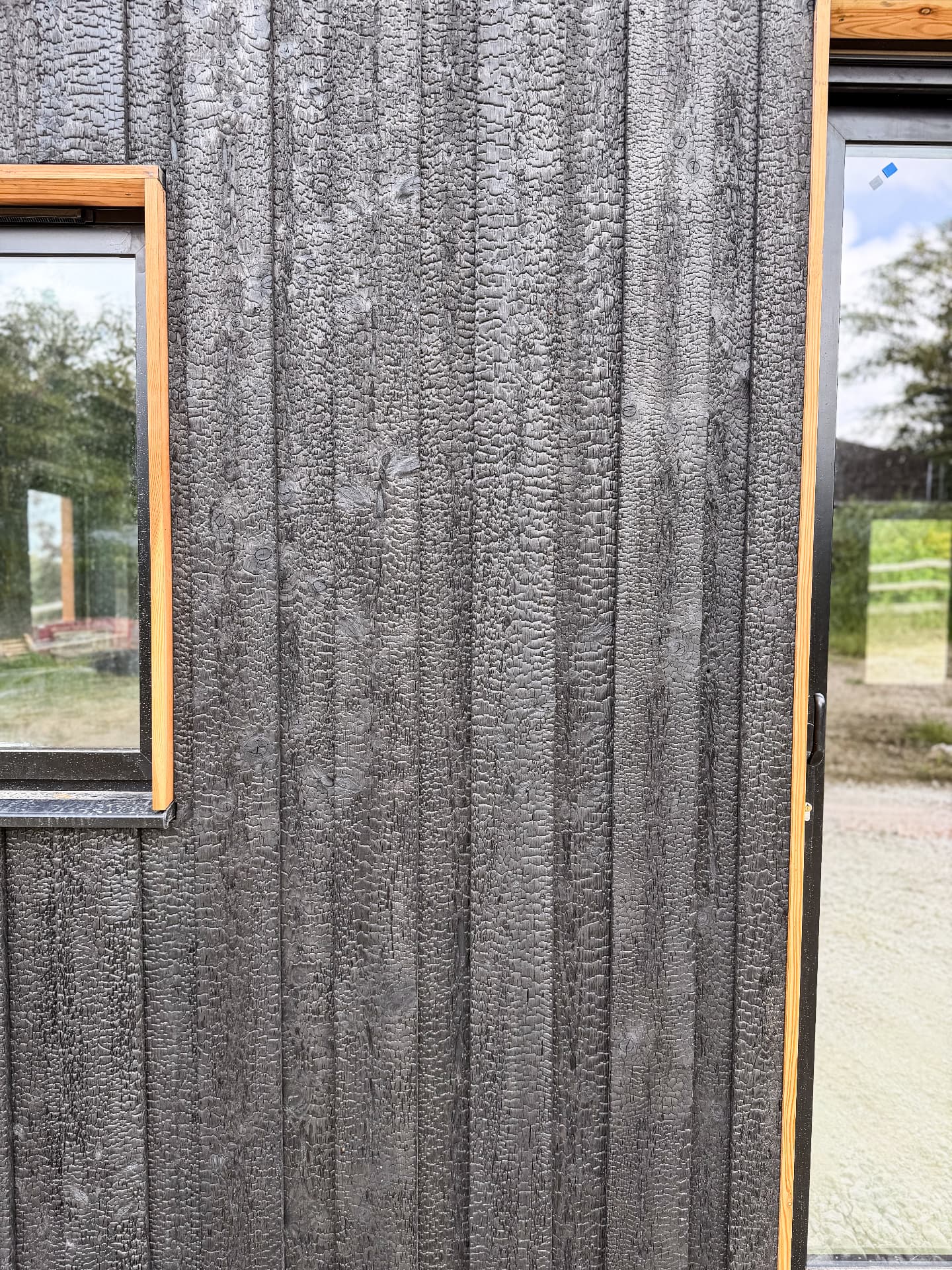
- Vertical panels
- Shiplap or tongue-and-groove designs
This flexibility allows designers to achieve a wide range of finishes.
Applications of Japanese Larch Wood
1. Exterior Cladding
The most common use of Japanese larch cladding is for building exteriors. Its weather resistance and visual appeal make it ideal for residential and commercial facades.
2. Decking and Outdoor Structures
Thanks to its strength, Japanese larch wood is often used for decking, fencing, pergolas, and garden structures.
3. Interior Design
While primarily used outdoors, larch Japanese timber can also be used indoors for wall paneling, ceilings, and decorative features, adding a natural touch to interiors.
4. Joinery and Furniture
Its workability and attractive grain make Japanese larch suitable for bespoke furniture and joinery projects.
Installation Tips for Japanese Larch Cladding
To get the best performance from japanese larch cladding, proper installation is essential:
- Allow for ventilation: Ensure adequate airflow behind the cladding to prevent moisture buildup.
- Use stainless steel fixings: This prevents staining and corrosion.
- Pre-drill boards: Reduces the risk of splitting during installation.
- Apply protective coatings (optional): Helps maintain color and extends lifespan.
Maintenance and Care
While japanese larch wood is low maintenance, some basic care can enhance its longevity:
- Clean periodically to remove dirt and debris
- Reapply protective finishes if you want to preserve the original color
- Inspect for any signs of wear or damage
If left untreated, larch japanese timber will naturally age, creating a rustic and timeless appearance.
Environmental Benefits
Choosing japanese larch wood contributes to sustainable building practices. Its renewable nature, combined with lower processing requirements, reduces environmental impact. Additionally, timber construction helps store carbon, making it a greener option compared to synthetic materials.
Why Bauwn Recommends Japanese Larch
At Bauwn, quality and sustainability are at the core of every project. Japanese larch cladding aligns perfectly with these values, offering a durable, eco-friendly, and visually striking solution for modern construction needs. Whether you’re designing a residential property or a commercial space, larch japanese timber provides both performance and style.
Frequently Asked Questions (FAQs)
1. What is Japanese larch wood best used for?
Japanese larch wood is best used for exterior cladding, decking, fencing, and structural applications due to its durability and weather resistance.
2. Is Japanese larch suitable for outdoor use?
Yes, japanese larch is highly suitable for outdoor use as it naturally resists decay and harsh weather conditions.
3. Does Japanese larch cladding require treatment?
Not necessarily. Japanese larch cladding can be left untreated to weather naturally, but treatments can be applied to maintain its original color.
4. How long does Japanese larch last?
With proper installation and minimal maintenance, larch japanese timber can last for several decades.
5. Is Japanese larch environmentally friendly?
Yes, Japanese larch wood is a sustainable material sourced from managed forests, making it an eco-friendly building choice.
6. Can Japanese larch be used indoors?
Absolutely. While commonly used outdoors, Japanese larch can also enhance interior spaces with its natural texture and warmth.
Conclusion
Japanese larch is a versatile and reliable timber that combines durability, beauty, and sustainability. From japanese larch cladding to decking and interior design, its applications are vast and practical. If you’re looking for a material that offers long-term performance without compromising on style, larch japanese timber is an excellent choice.
For modern construction and design projects, Japanese larch wood continues to stand out as a smart and sustainable investment.