Charred Wood Cladding: Benefits, Uses & Modern Design Ideas
By BAUWN·27 March 2026·6 min read
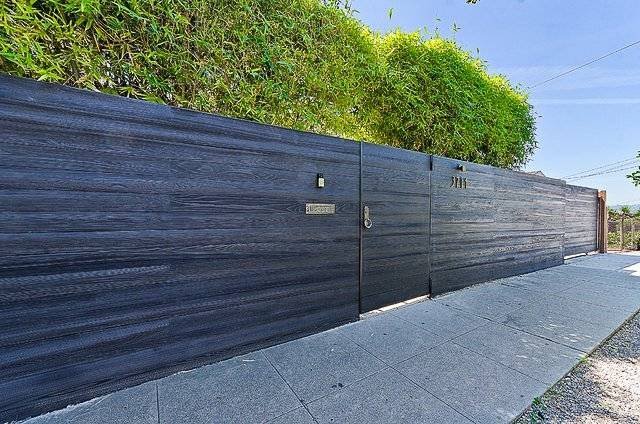
Architects today select building materials based on their performance throughout time rather than their visual appearance on the first day. People seek a material that brings historical value through its aging process while providing an authentic tactile experience. Charred wood cladding functions as a material that combines traditional design elements with long-lasting strength and visually appealing characteristics which few materials can achieve.
At Bauwn, this philosophy is at the heart of every product. The design process uses an ancient technique that designers transform into modern design elements. The result creates a surface that possesses a living quality through its textured, deep, and character-filled design.
What Is Charred Wood Cladding?
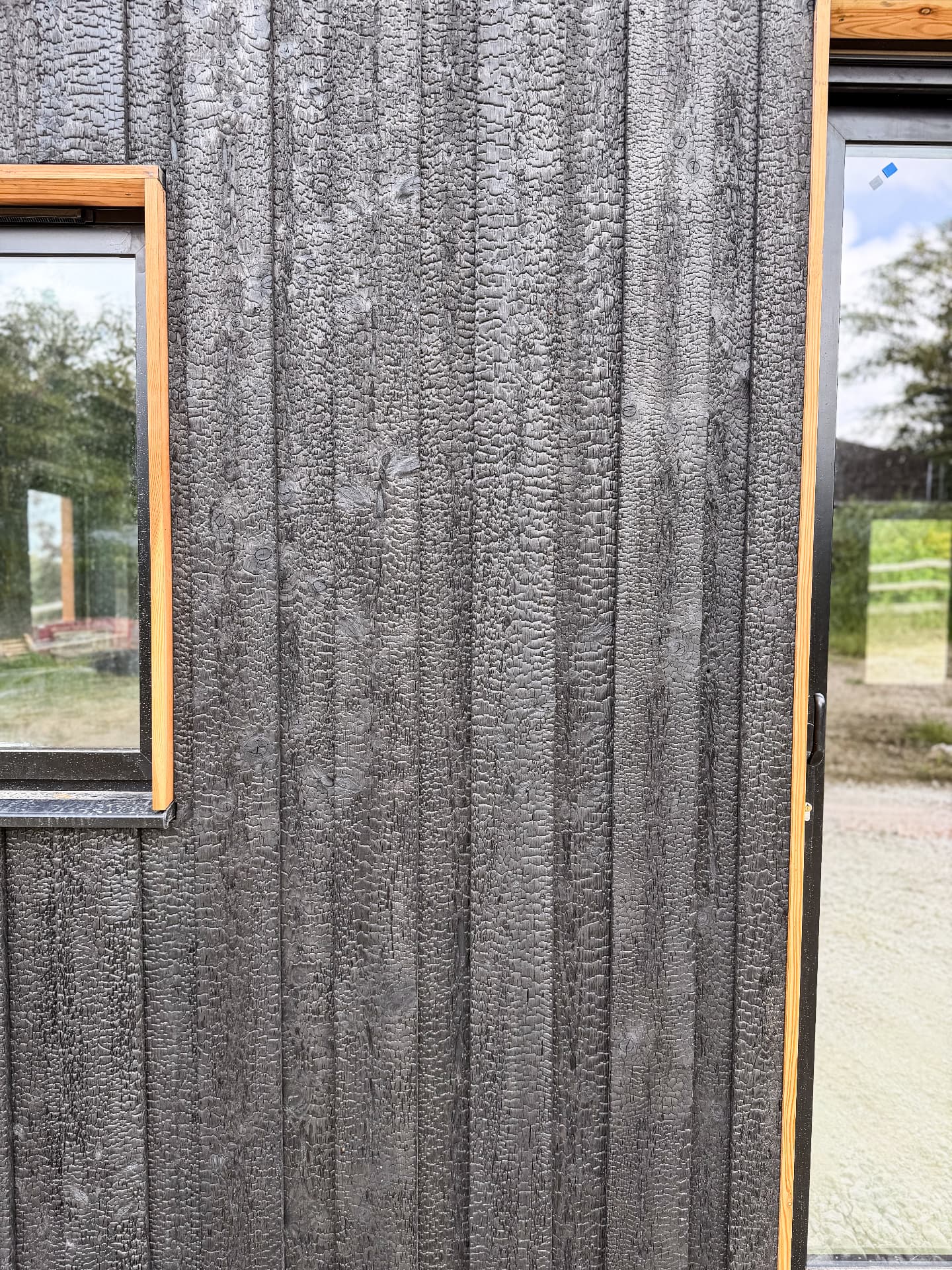
Charred wood cladding is created by carefully burning the outer layer of timber. The process that Japanese craftsmen used to create this method transforms basic wood into highly durable and visually impressive materials.
The controlled burning process does not destroy because it maintains control over the fire. The process creates a protective layer that protects wood from damage caused by weather conditions, insect activity, and natural decay. The process creates a deep, dark finish that brings out the wood’s natural grain.
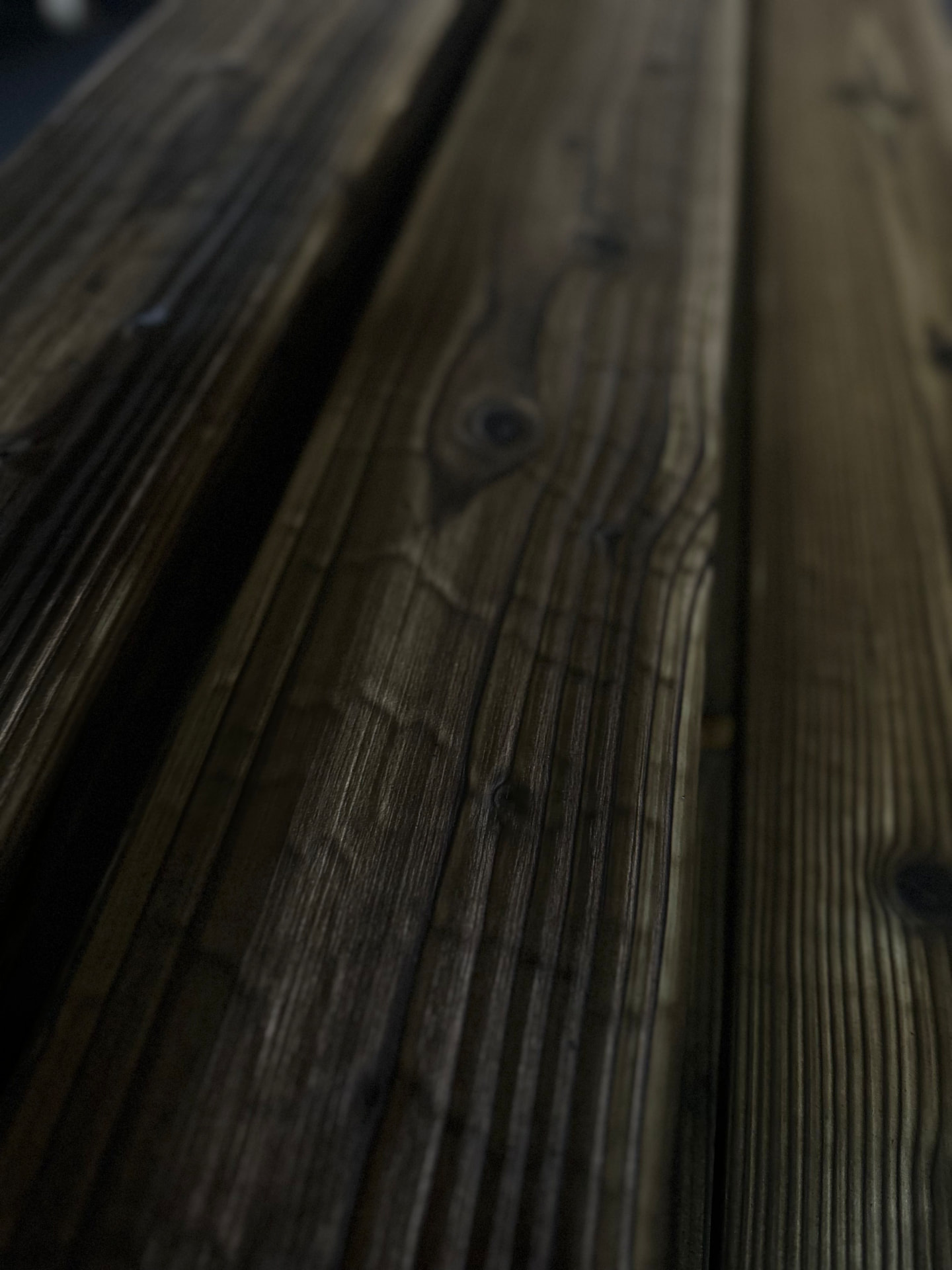
This is why many designers are drawn to charred Japanese wood; it keeps the authenticity of timber while enhancing its performance. Every plank carries subtle variations, making each installation unique.
The Beauty Behind the Burn
There’s something deeply emotional about materials that evolve naturally. Charred wood doesn’t try to hide its origin. Instead, it celebrates it.
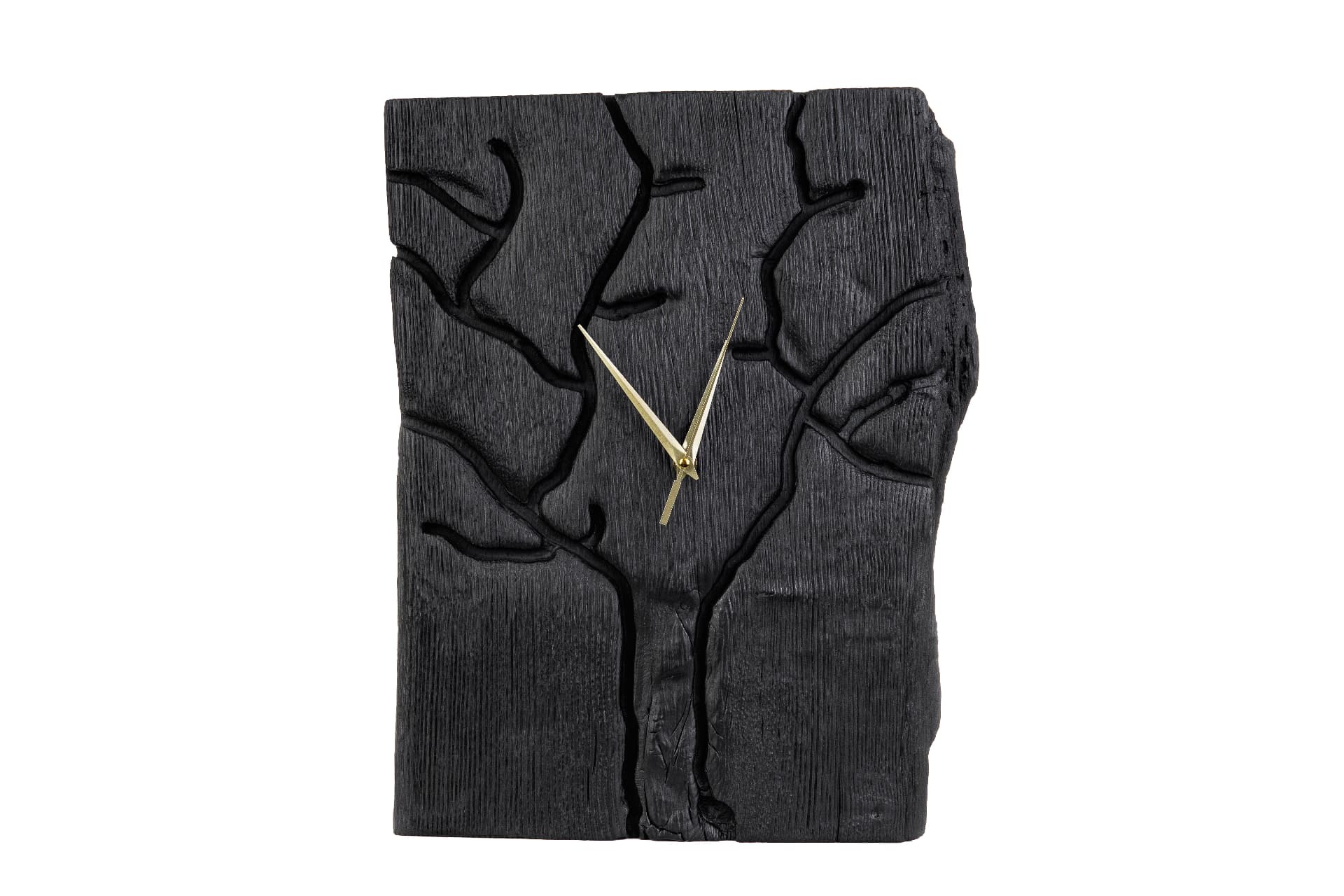
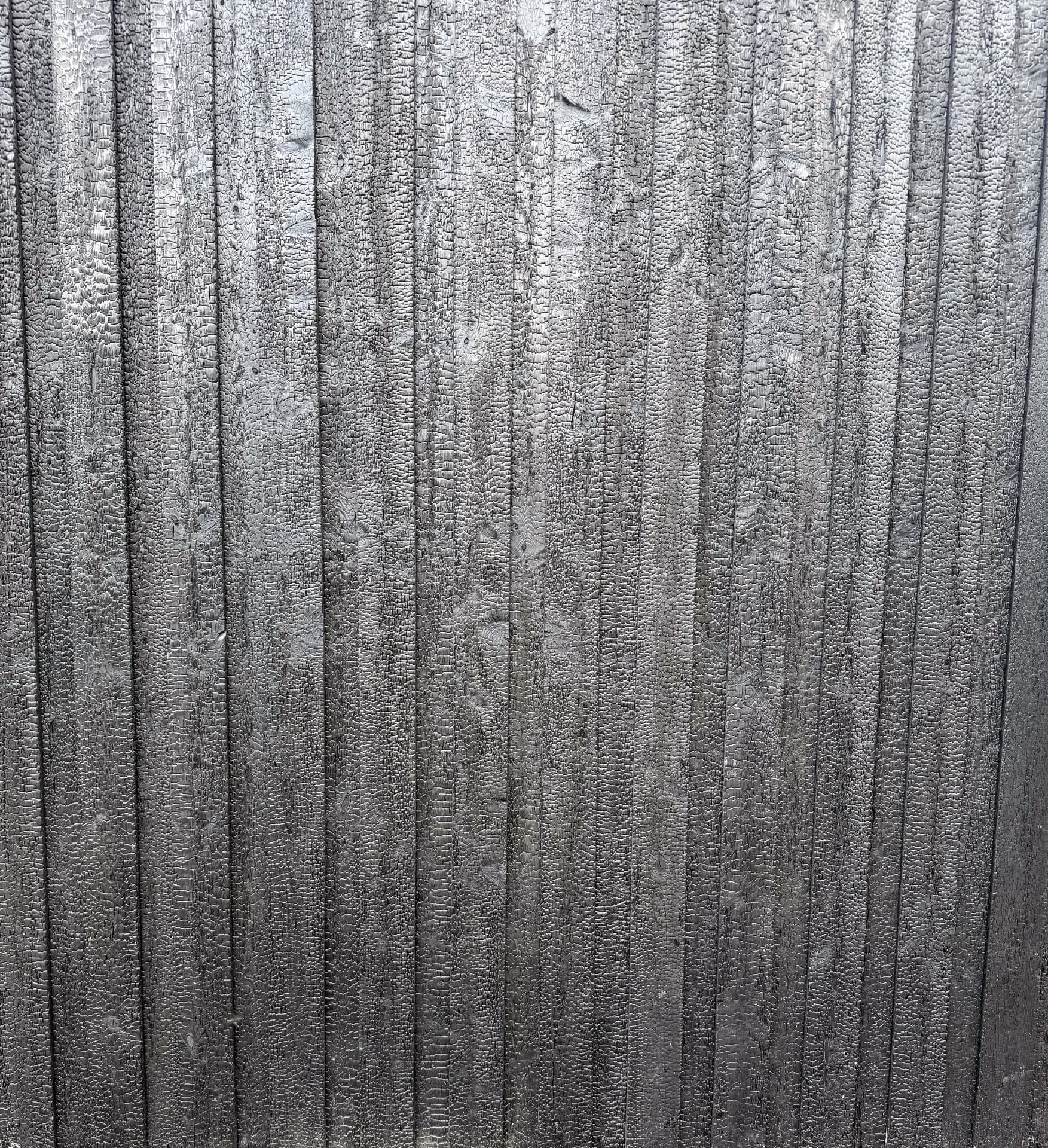
The surface often develops a dramatic black wood cladding texture, giving buildings a bold and timeless identity. Whether used in urban homes or countryside retreats, this texture creates contrast and depth that painted finishes simply can’t replicate.
Japanese burnt timber cladding has gained popularity in modern architectural design for this reason. The product enables designers to achieve their objective of creating spaces that maintain both minimalist design and a comfortable indoor atmosphere.
Key Benefits of Charred Wood Cladding
1. Built for Longevity
The most significant benefit of charred wood lies in its ability to withstand time. The carbonized layer functions as an inherent protective barrier that safeguards the underlying timber from both moisture and environmental harm.
2. Low Maintenance
Unlike painted or treated wood, charred surfaces require minimal upkeep. They don’t peel, chip, or demand frequent refinishing.
3. Natural Resistance
The charring process that follows depresses the ability of what was left to be attacked by the natural enemies of insects and fungi. He also improves fire resistance and adds a new safety layer.
4. Sustainable Choice
No harmful chemicals are needed. When sourced responsibly, charred wood becomes an environmentally conscious material.
5. Unique Visual Identity
No two panels look the same. The organic patterns and tones create a design that feels personal and authentic.
For Bauwn, these benefits are not just features, we define the entire approach to material selection and craftsmanship.
Modern Uses in Architecture and Design
Charred wood is no longer limited to traditional structures. Today, it is used across a wide range of applications, both inside and outside.
Exterior Applications
- Facade cladding for residential and commercial buildings
- Garden walls and fencing
- Outdoor seating areas and pergolas
- Garage doors and exterior panels
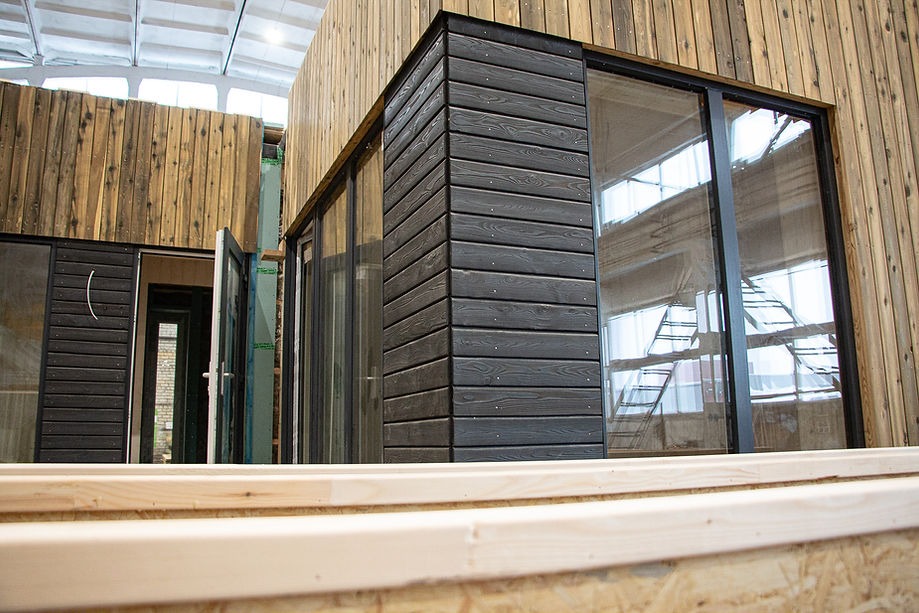
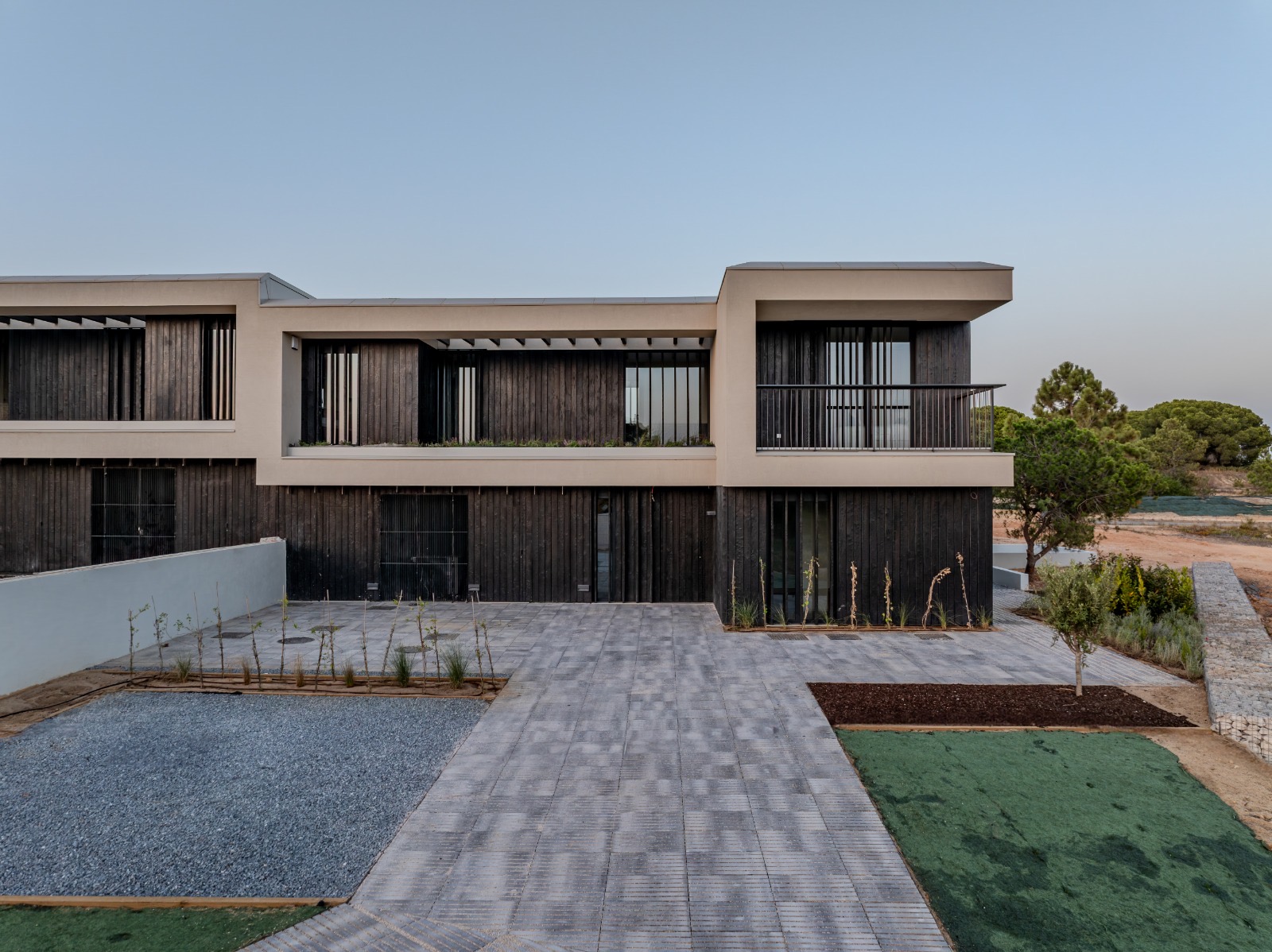
The bold appearance of charred wood cladding makes it ideal for creating standout exteriors. The material shows perfect compatibility with glass and steel and concrete because it creates a warm contrast with their typical cold nature.
Interior Applications
- Feature walls in living rooms and offices
- Ceiling panels for dramatic visual impact
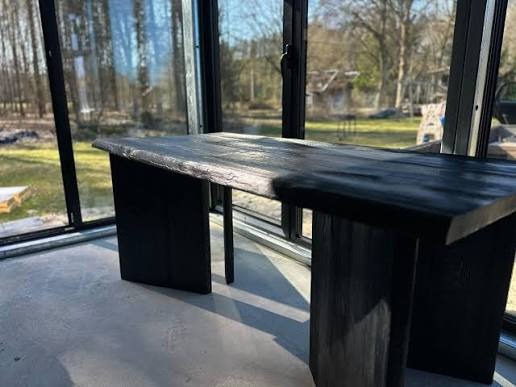
- Cabinet finishes and furniture accents
- Decorative partitions
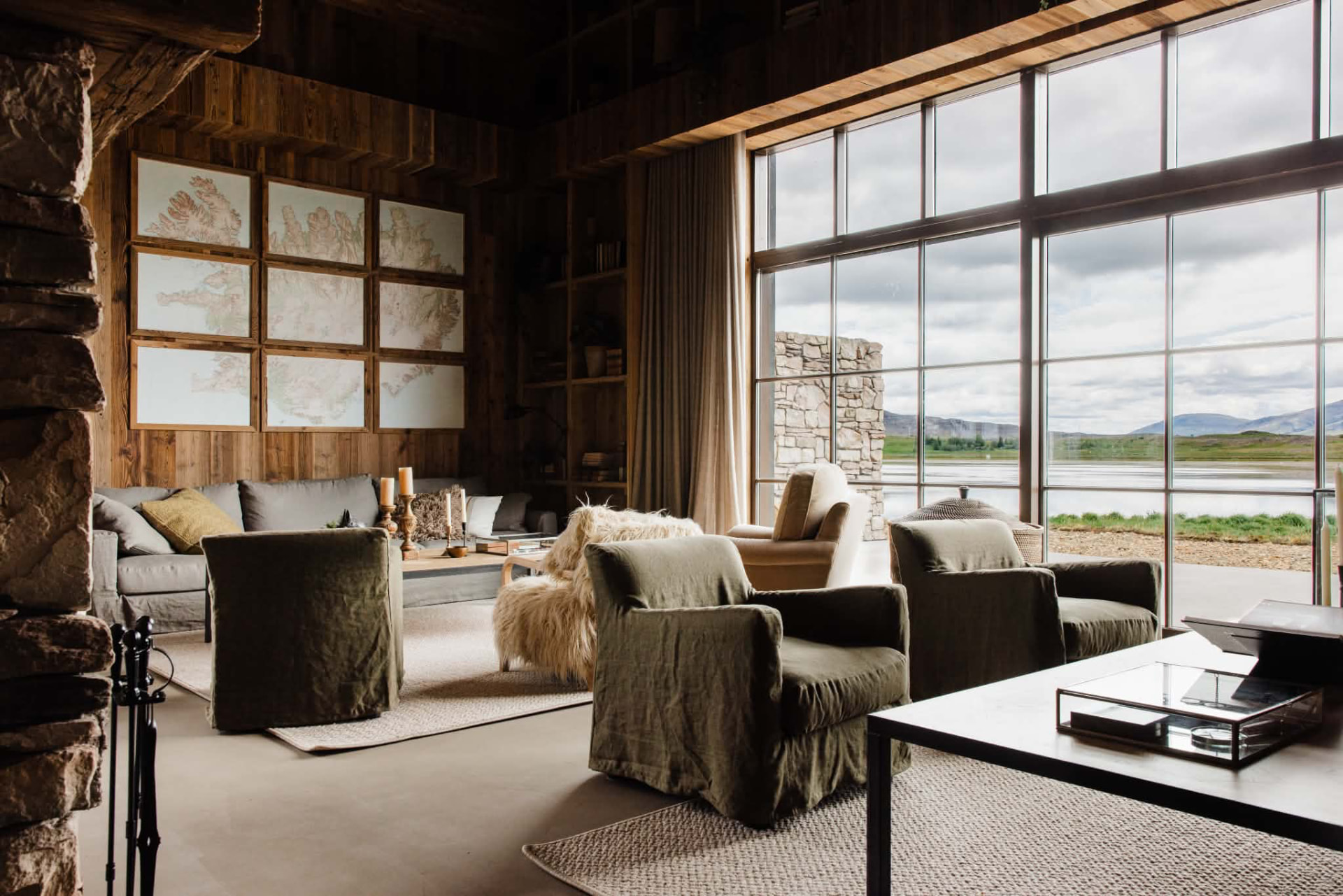
Inside a space, charred wood brings depth without overwhelming the design. The second layer of black wood cladding texture adds a tactile quality that makes interiors feel grounded and inviting.
The Influence of Japanese Craftsmanship
The roots of this technique started in Japan because wood preservation techniques were first developed there more than a century ago. The process that people connect to Japanese burnt timber cladding originated as a method to shield buildings from severe weather conditions and fire threats.
What makes it special is the philosophy behind it - simplicity, patience, and respect for natural materials.
The contemporary interpretations of these principles, which Bauwn and others developed, show their dedication to original principles while creating solutions for present-day requirements. The result produces a material that combines elements of ancient times with modern-day characteristics.
Why Designers Prefer Charred Japanese Wood
There’s a growing appreciation for materials that age with grace. Charred Japanese wood doesn’t lose its charm over time - it evolves.
Instead of fading into something dull, it softens slightly, developing a more subtle tone. This aging process adds character rather than diminishing value.
Designers often choose it because:
- It creates a strong first impression
- It blends well with different architectural styles
- It offers long-term performance without constant maintenance
At Bauwn, this balance between beauty and durability is carefully maintained in every product.
Sustainability That Makes Sense
In a world where sustainability is becoming essential, charred wood offers a practical solution.
- It reduces the need for chemical treatments
- It extends the life of timber, reducing waste
- It uses natural processes instead of synthetic coatings
Choosing materials like this isn’t just about design - it’s about responsibility. And that’s something more homeowners and architects are beginning to value.
Design Ideas to Inspire Your Next Project
If you’re considering charred wood for your space, here are a few ideas to explore:
1. Minimalist Black Facades
Use charred wood panels to create a sleek, modern exterior that stands out without being flashy.
2. Contrast with Light Interiors
Pair dark wood walls with white or neutral furniture for a balanced look.
3. Outdoor Retreat Spaces
Create cozy outdoor areas using charred timber for decking and seating.
4. Statement Entryways
Make a lasting impression with a bold, textured entrance.
5. Mixed Material Designs
Combine charred wood with stone or metal for a layered architectural style.
These ideas show how versatile the material can be - from subtle accents to bold statements.
Why Choosing the Right Supplier Matters
Not all charred wood is created equal. The final result depends heavily on how the wood is sourced, treated, and finished.
Working with a trusted name like Bauwn ensures:
- Consistent product quality
- Expert craftsmanship
- Reliable performance over time
- Guidance throughout your project
When the process is done correctly, the difference becomes evident because the results show two different aspects. The material shows differences after several years of use.
Final Thoughts
The practice of using charred wood cladding for building design exceeds its status as a current architectural trend. The material serves as an intelligent selection because it provides users with complete value through its everlasting properties and its beautiful appearance.
The material demonstrates its worth through its dual functionality, which originated from Japanese burnt timber cladding and extended into contemporary uses. This material provides architects with an exceptional building material that combines exceptional strength with aesthetic appeal for their home design projects, office design projects, and outdoor design projects.
At Bauwn, our experts enable you to achieve a smooth process when you use this traditional material for your construction projects. The process of constructing physical spaces establishes enduring structures that maintain their existence while also generating lasting emotional connections.
FAQs
What is charred wood cladding?
Charred wood cladding is timber that has been surface-burned to improve durability and create a rich, textured finish. It is widely used in modern architecture for both protection and aesthetics.
Is charred wood suitable for all climates?
Yes, it performs well in various weather conditions. The charred layer helps protect against moisture, sunlight, and temperature changes.
How long does charred wood last?
With proper installation, it can last for decades. Its lifespan depends on the type of wood and the quality of the charring process.
Does it require maintenance?
Very little maintenance is needed. Occasional cleaning is usually enough to keep it looking good over time.
Can it be used indoors?
Absolutely. It works beautifully for feature walls, ceilings, and furniture accents, adding depth and warmth to interiors.
Is charred wood eco-friendly?
Yes, it is considered an environmentally friendly option since it avoids chemical treatments and extends the life of natural wood.