Larch Timber Cladding: Benefits, Cost, Lifespan & Maintenance Guide
By BAUWN·1 October 2026·6 min read
A building’s design may be drastically altered by a wooden facade, but selecting the proper wood is about more than just appearances. The wood should age in a way that matches your expectations, adapt to external circumstances, and fit the design.
For residences and architectural projects, larch timber cladding is a popular option because of this. Larch is appropriate for a variety of outdoor applications due to its apparent grain, natural character, and high strength.
Before choosing, it's important to be familiar with its benefits, cost, expected lifespan, and upkeep needs. This post explains what you should know before adding larch to an external facade.
What Makes Larch A Popular Choice?
Although larch is a softwood, it is often stronger than several woods that are frequently used. It is suitable for outdoor timber applications because of its unique grain and natural resin content.
Larch wood cladding is popular because it offers:
- A strong and dense timber structure
- Attractive natural grain
- Warm colours and natural variation
- Good design flexibility
- Different profile and finish options
- A suitable base for specialist surface treatments
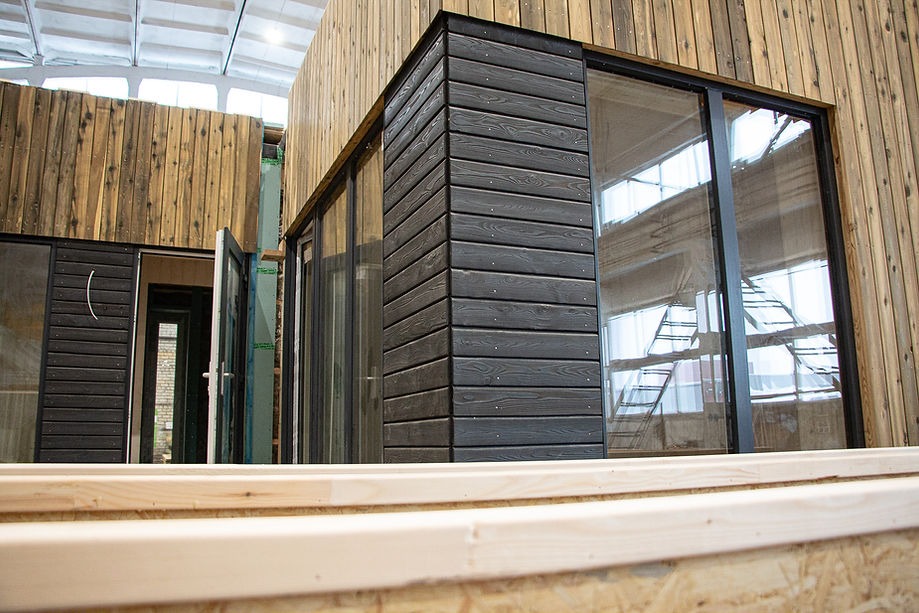
Both conventional and modern architecture may benefit from larch. While darker treatments might give the same wood a more dramatic building character, a smooth finish gives it a softer, warmer aspect.
What Are The Main Benefits?
The equilibrium between useful functionality and aesthetic appeal is one of larch's primary advantages.
Natural Strength And Character
Larch is prized for its unique grain and very thick structure. The timber's obvious patterns may provide a facade with organic movement without the need for further ornamentation.
But just because wood is naturally durable doesn't imply it can be installed without careful preparation. Performance over time still depends on proper detailing, ventilation, and drainage.
Flexible Architectural Appearance
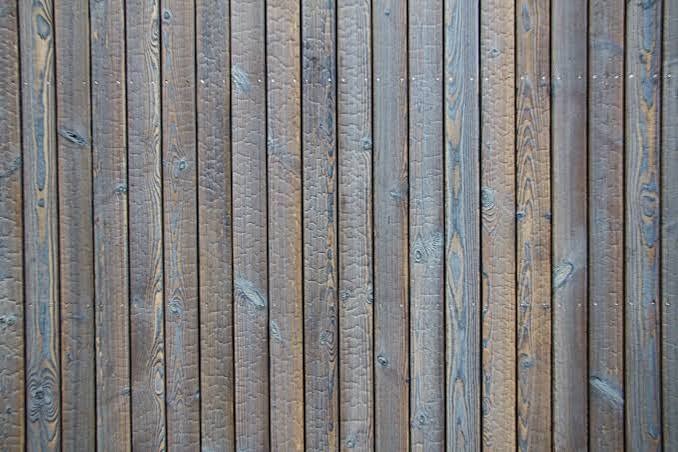
Larch wood cladding can be installed vertically, horizontally, or in different profiles depending on the building design.
Vertical boards may produce crisp architectural lines and highlight height. A facade may seem broader with diagonal planks.
The surface finish can also completely change the final appearance. This makes larch suitable for projects that need either a natural look or a more distinctive finish.
Natural Ageing Over Time
Similar to other outdoor wood, larch undergoes changes in response to weather and sunshine. Natural larch may eventually take on a more worn, silvery-grey hue.
This modification is valued by certain architects and homeowners because it enables the structure to acquire personality over time. Others would rather use appropriate finishes and upkeep to keep a more uniform color.
Thus, selecting the appropriate facade material requires an understanding of how the wood will age.
How Long Does Larch Cladding Last?
The lifespan of larch timber cladding depends on more than the timber species alone.
Several factors influence long-term performance:
- Timber quality and grade
- Local weather conditions
- Exposure to rain and sunlight
- Building orientation
- Installation quality
- Ventilation behind the boards
- Moisture management
- Surface treatment and maintenance
A timber facade may function for many decades if it is constructed and planned properly. However, even superior wood might have its lifespan shortened by bad installation.
Controlling moisture is the most important factor. It is necessary to specify timber cladding so that water can drain away and air may move beneath the facade.
What Does Larch Cladding Cost?
Since the ultimate cost of larch cladding varies on a number of project-specific elements, there is no set price.
| Cost Factor | How it Affects Price |
|---|---|
| Timber grade | Higher grades can have a more refined appearance |
| Board dimensions | Large or thicker boards use more materials |
| Profile | Special profiles require additional processing |
| Surface finish | Brushing or charring adds production work |
| Project quantity | Larger orders may affect overall pricing |
| Installation | Labour and fixing systems add to total costs |
Make sure the wood species, board size, profile, and finish are all the same when evaluating bids. You shouldn’t anticipate the price of a specialty structural timber exterior to be the same as that of a basic unfinished board.
Is Burnt Larch Worth Considering?
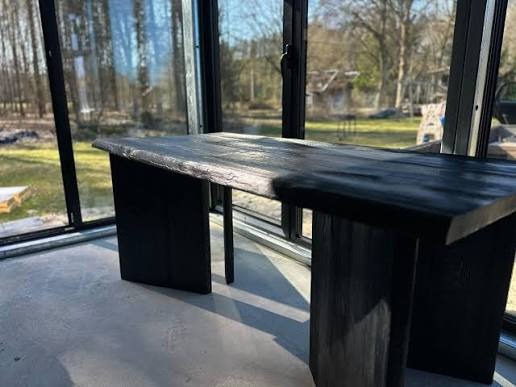
For applications that require a darker and more unique look, burned larch cladding is an alternative.
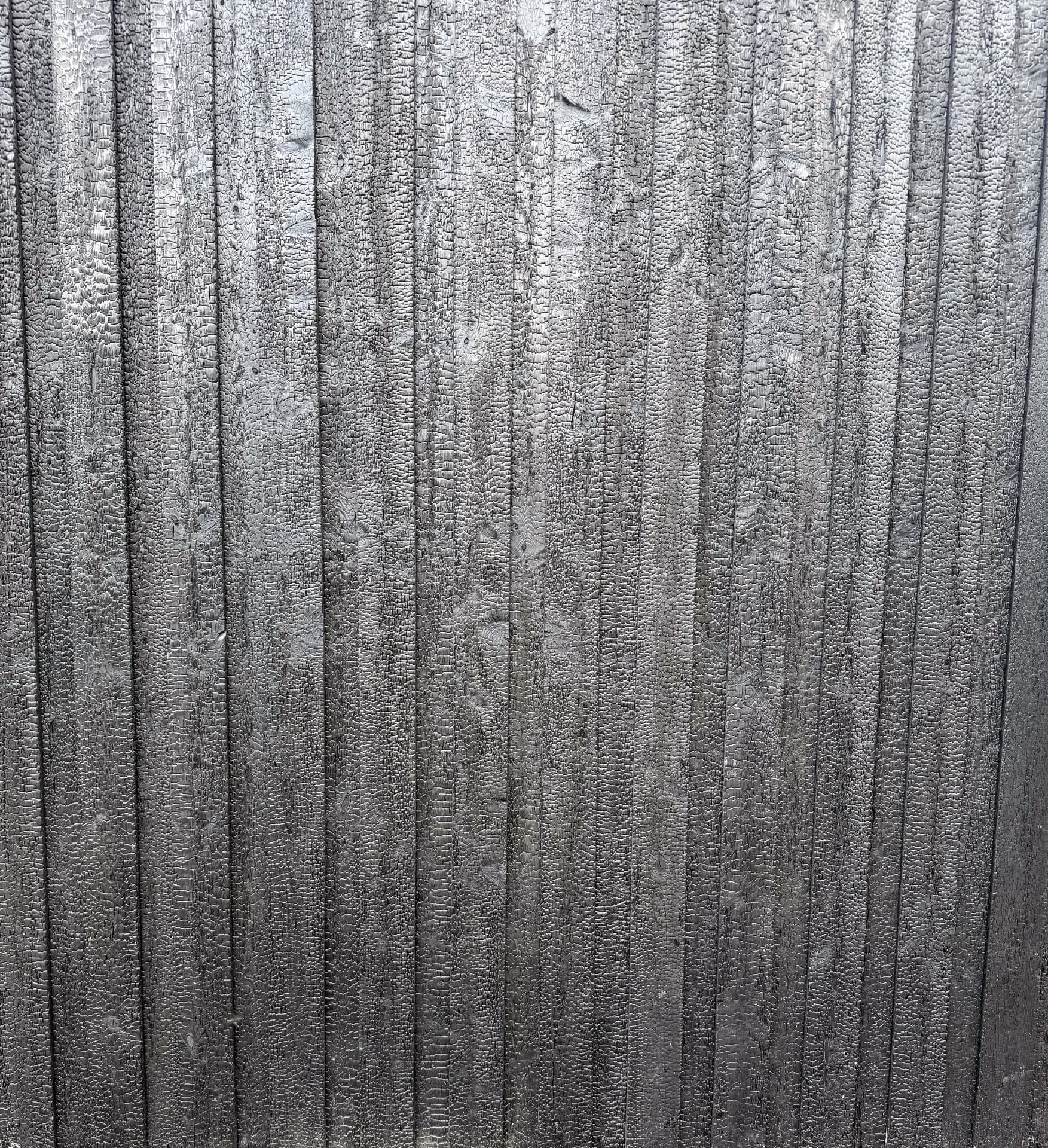
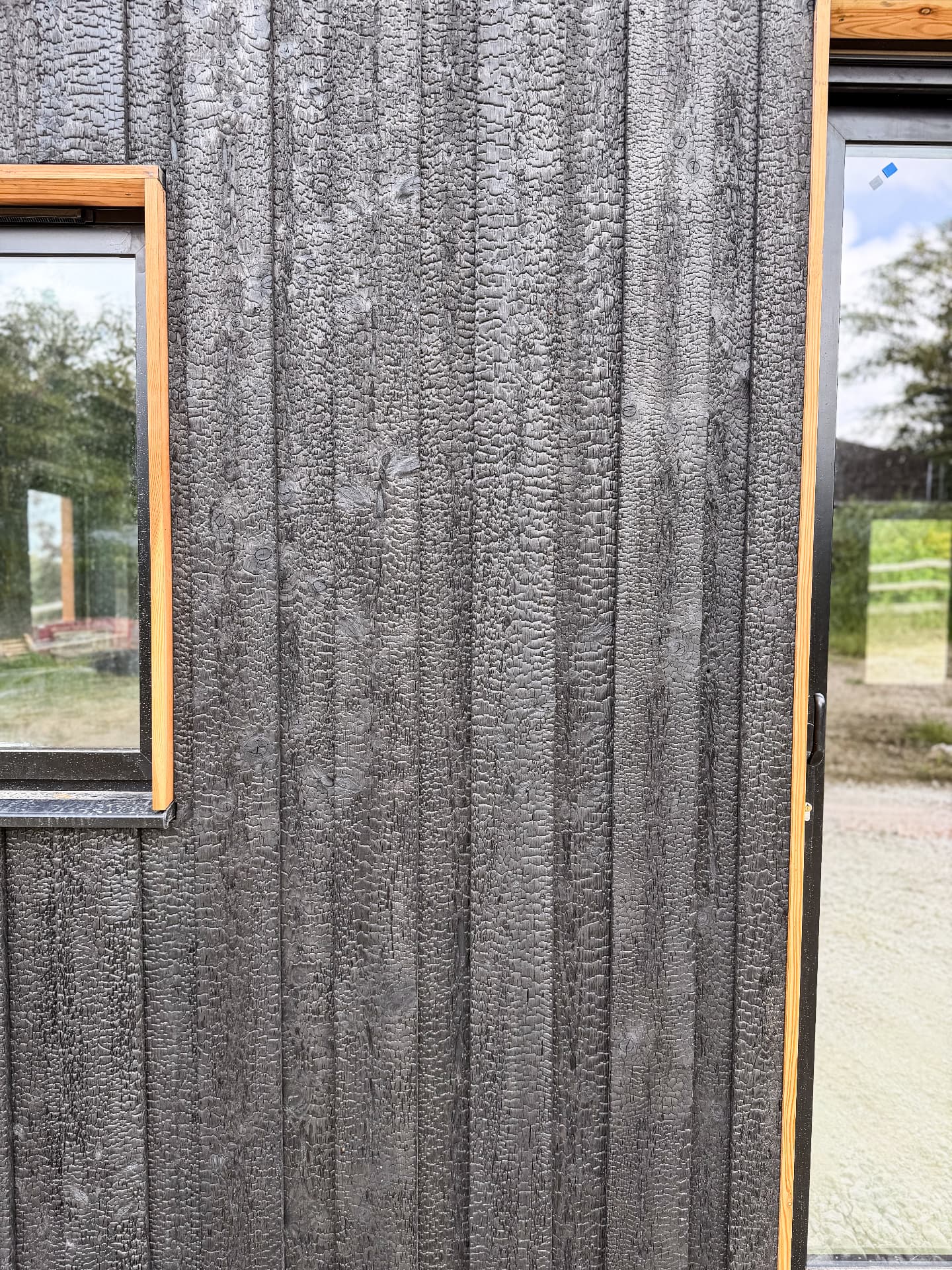
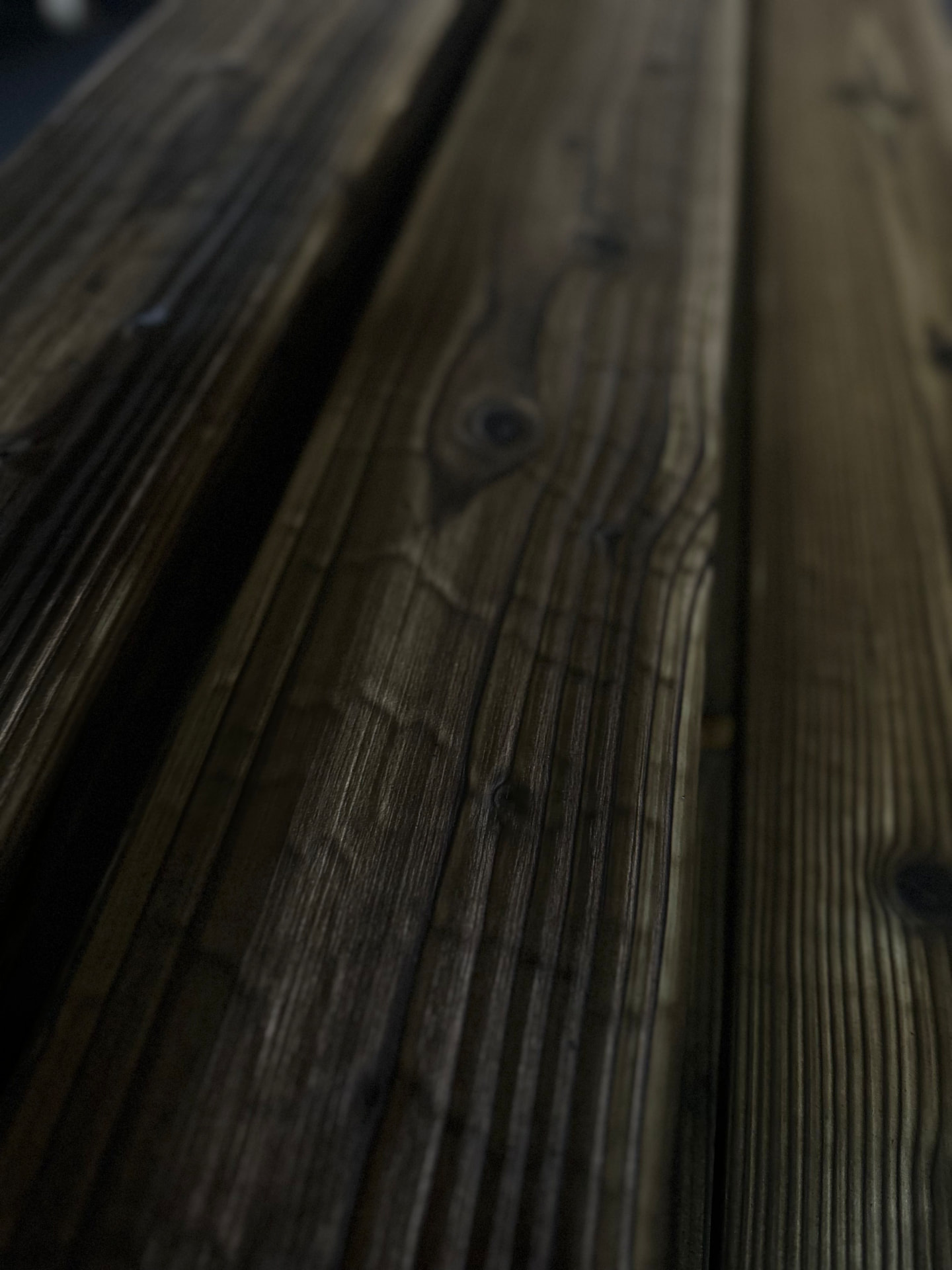
In addition to altering the wood's surface, controlled charring may provide intriguing textures, visible grain, and deep, dark colors. How deeply the wood is burned and how the surface is polished and brushed determine the outcome.
This means burnt timber is not simply painted black. The natural structure of the wood can remain visible and become an important part of the design.
At BAUWN, timber surfaces are developed with careful attention to species, texture, controlled charring, and the final architectural appearance.
Natural Larch vs Burnt Larch
| Feature | Natural Larch | Burnt Larch |
|---|---|---|
| Appearance | Warm and natural | Dark and dramatic |
| Grain | Clearly visible | Can be strongly highlighted |
| Texture | Natural surface | Charred and textured |
| Design impact | Soft and surface | Bold and distinctive |
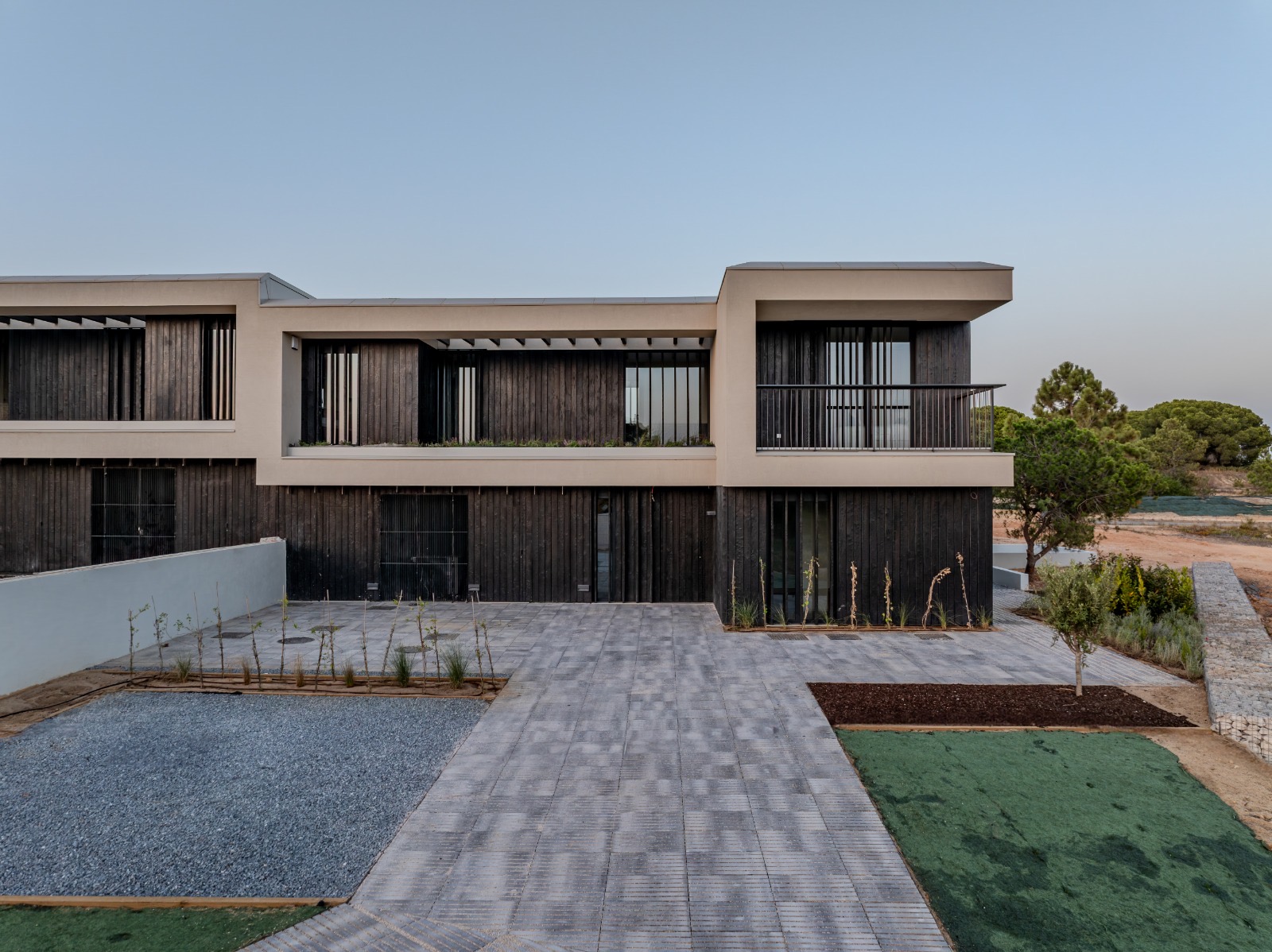
Burnt larch cladding can work particularly well with concrete, glass, stone, and light-coloured metal because the dark timber creates strong visual contrast.
The right choice depends on the style and character of the building.
How Much Maintenance Does Larch Need?
Maintenance requirements depend on the finish, climate, and amount of exposure.
Regular inspections can help identify:
- Dirt and surface build-up
- Areas exposed to heavy weather
- Trapped moisture
- Changes around joints and fixings
- Natural changes in the timber surface
Natural timber may need cleaning or refinishing if maintaining a particular colour is important.
Burnt larch cladding can have different maintenance requirements depending on the charred surface and protective finish. For this reason, maintenance should always follow the recommendations for the specific product and installation system.
A realistic maintenance plan is better than assuming any exterior timber is completely maintenance-free.
How Should You Choose The Right Finish?
The best timber finish should support the architecture of the building.
Before making a decision, consider:
How much sunlight reaches the façade?
Light can significantly change how colour and texture appear.
What materials surround the timber?
Larch can look completely different beside stone, concrete, glass, or metal.
How bold should the building look?
Natural timber generally creates a softer appearance, while darker finishes create stronger contrast.
How should the timber age?
This question can influence your choice of finish and maintenance approach.
Due to the difficulty of precisely judging timber from images, physical samples are particularly helpful. You can see samples’ true color, texture, and grain in natural light when you look at them outside.
BAUWN helps architects, designers, and homeowners consider timber as a complete architectural material rather than simply choosing a colour from a screen.
Final Words
Larch timber cladding offers a valuable combination of natural character, strength, and architectural flexibility. Its appearance can work beautifully in a natural state or be transformed through specialist surface treatments.
When choosing larch wood cladding, fair expectations about cost, aging, installation, and upkeep should be considered. Long-term performance is greatly influenced not just by the timber itself but also by proper finishing and details.
Burnt larch cladding provides a darker and more expressive option for applications that require greater contrast and texture.
The wood that appears nice on a little sample is not always the best option. The building, its surroundings, and your desired facade appearance in the future are all influenced by the material and finish.
Frequently Asked Questions
Is larch good for exterior cladding?
Yes. Larch is commonly used for exterior timber applications because of its density, natural character, and suitability for outdoor use. Proper installation and moisture management remain important.
How long does larch timber cladding last?
The quality of the wood, the environment, installation, exposure, and upkeep all affect how long it lasts. A timber facade that is well-planned and maintained can last for many decades.
Does larch timber turn grey?
Yes. Natural larch can gradually develop a silvery-grey appearance when exposed to sunlight and weather. This is a normal part of the natural ageing process.
Does larch cladding need maintenance?
Servicing is determined by the desired surface quality and look. While cleaning or refinishing can be required to preserve a certain color or finish, routine examination is advised.
Is burnt larch suitable for modern architecture?
Yes. Its dark colour and textured surface can work particularly well with modern materials such as concrete, glass, stone, and metal.
Give Your Facade A Distinctive Character
Choosing exterior timber is a long-term design decision. Compare real timber samples, consider how the material will age, and choose a finish that truly supports your architecture.
Talk to BAUWN to explore natural and charred timber finishes and find a larch surface that gives your project the right balance of texture, character, and architectural impact.