Shou Sugi Ban Products: Black Charred Wood and Burnt Larch Cladding Explained
By BAUWN·8 October 2026·7 min read
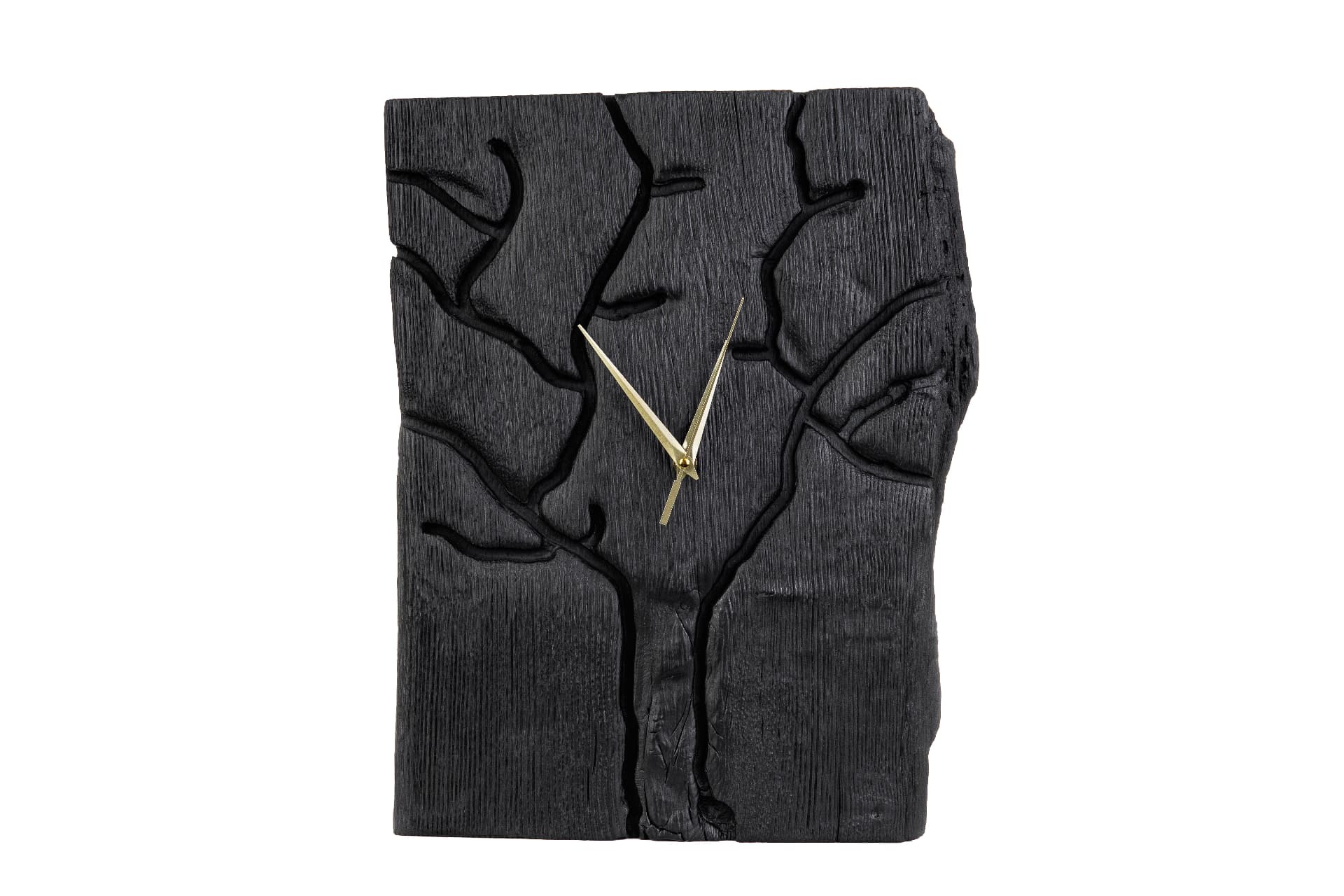
Dark timber cladding may appear plain when viewed from afar, but when you get closer, there is more to it than meets the eye. This could be due to the presence of cracked carbon, grain raising, roughness, or even a smooth brushed finish. This difference does not arise by chance but rather through a combination of the species of the timber used, charring, and post-charring processes.
Modern Shou Sugi Ban products take advantage of charring techniques to transform regular timber into a highly recognizable product. However, not all charred boards are created equal and some will have unique properties that others lack, depending on the species (larch, cedar, Accoya). In addition, other finishing techniques such as brushing will make for a totally different outcome.
Fire Changes More Than Colour
Color is the first thing that comes to mind when one thinks of burned wood. But the change is much more than just turning the wood black.
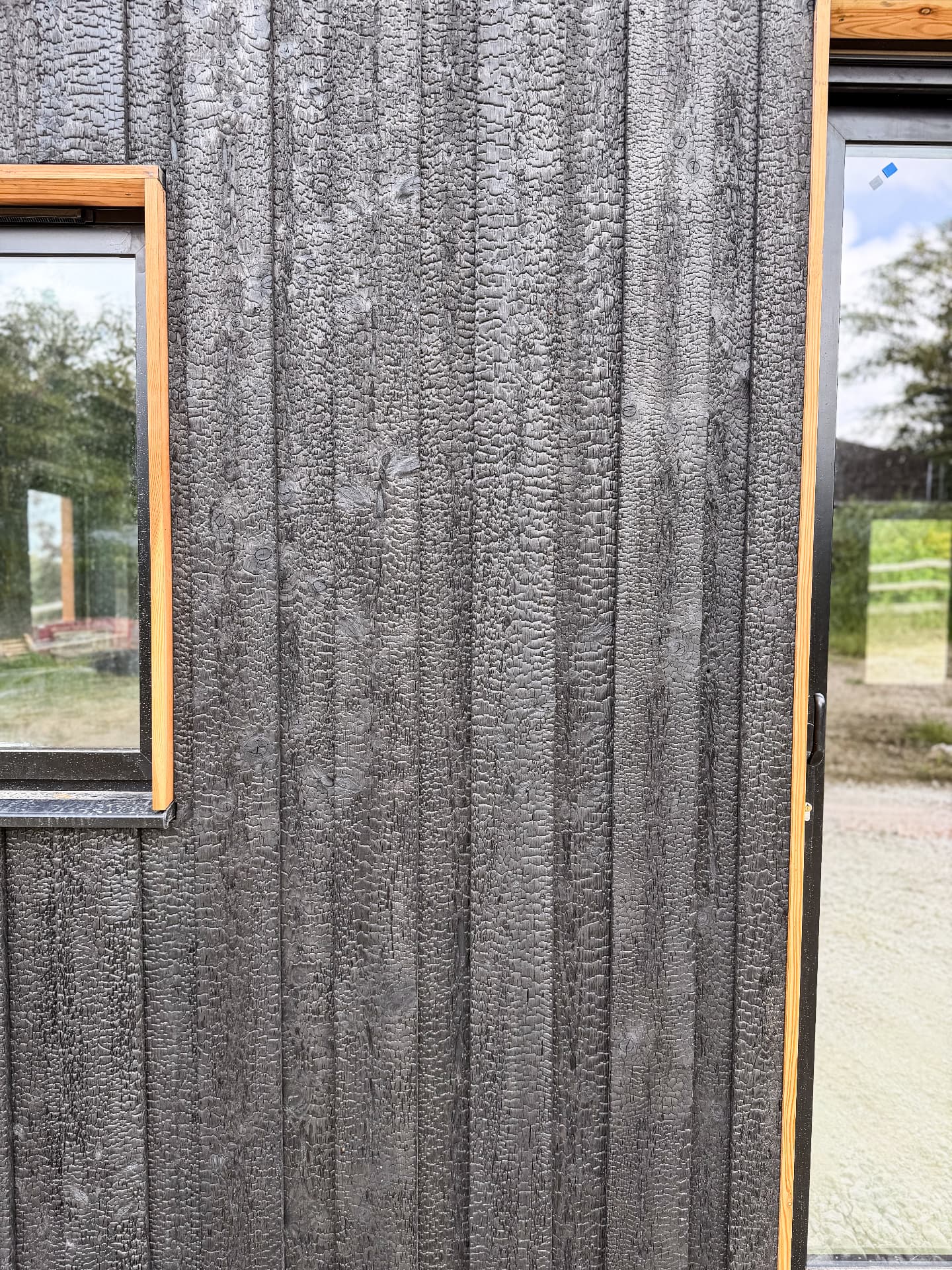
The process of charring involves coating the wood with a carbonized exterior that depends on the process the timber undergoes. This can either be retained or stripped off. BAUWN's KAEN finish keeps the charred crust, while KIME is brushed after charring so the grain becomes more visible.
This is why black charred wood can have several different appearances:
- Deep and heavily textured
- Cracked or plate-like
- Smooth and more controlled
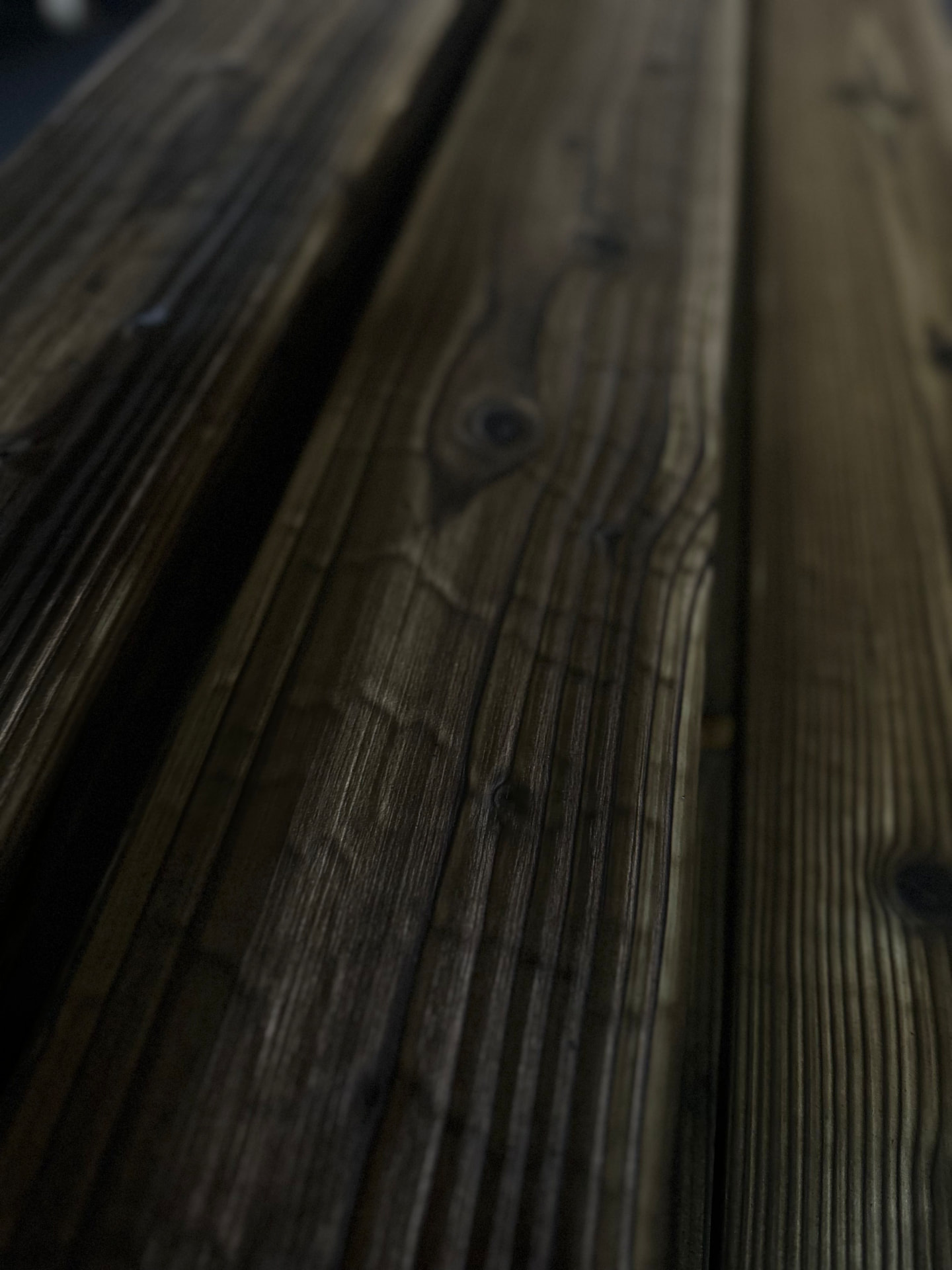
- Grain-rich and brushed
- Matte black or subtly coloured
So, when comparing charred timber, looking only at the colour can be misleading. The surface treatment is equally important.
Timber Species Shape Final Appearance
Timber located underneath the layer of char is also very important in obtaining the end result.
Therefore, one should mention that larch has a good contrast between the growth rings and also resinous areas. After the charring and sanding process, the softer areas will disappear and hard growth rings will remain. It will give rise to the appearance of three-dimensional texture.
However, Accoya acts in a different way because it has a uniform texture and it can be used for designing projects where a calm surface is necessary. In addition, BAUWN stresses the dimensional stability of such timber, which is very important for some projects.
Also, Japanese cedar has its own unique properties.
Here is a complete guide;
| Timber | Typical Visual Character | Useful Consideration |
|---|---|---|
| Larch | Strong and deep relief | Good for bold, natural texture |
| Japanese Ceder | Traditional charred appearance | Suits projects seeking classic character |
| Accoya | More Regular and consistent | Useful where stability matters |
The best option depends on the building, exposure, desired appearance, and installation requirements rather than simply choosing the darkest board.
Why Larch Creates Strong Texture
Among the number of wood species that could be considered, one of the most interesting reactions to fire belongs to the larch.
The natural structure of this wood shows a very distinct separation between the soft early wood and hard resinous late wood. After burning, this contrast becomes even more noticeable when the outer layer is brushed off.
This is one reason Burnt larch cladding can look so different from ordinary painted black timber. The surface has real depth rather than simply having a dark coating.
The final appearance can also depend on whether the carbon layer is preserved or brushed away. BAUWN's KAEN Carbon Larch keeps the charred crust intact, while KIME Black Larch brushes the surface back to reveal the timber's growth rings.
This point is relevant to the topic under discussion since a highly textural facade will be suitable for a rough structure, whereas a brushed one will be better suited for a neat architectural structure.
Comparing Charred And Brushed Surfaces
Two boards can start with similar timber and still finish very differently.
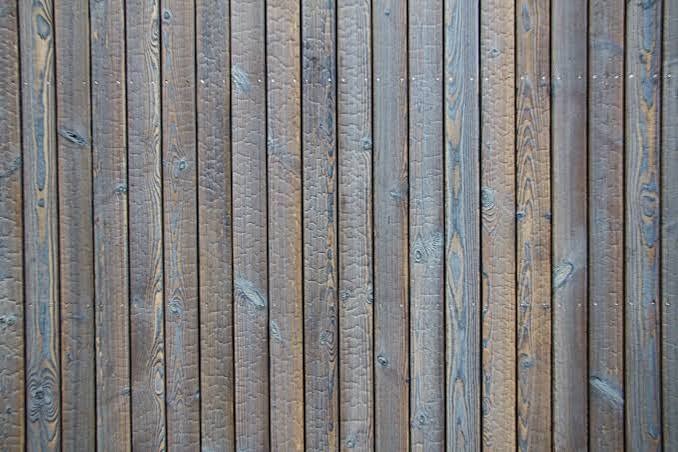
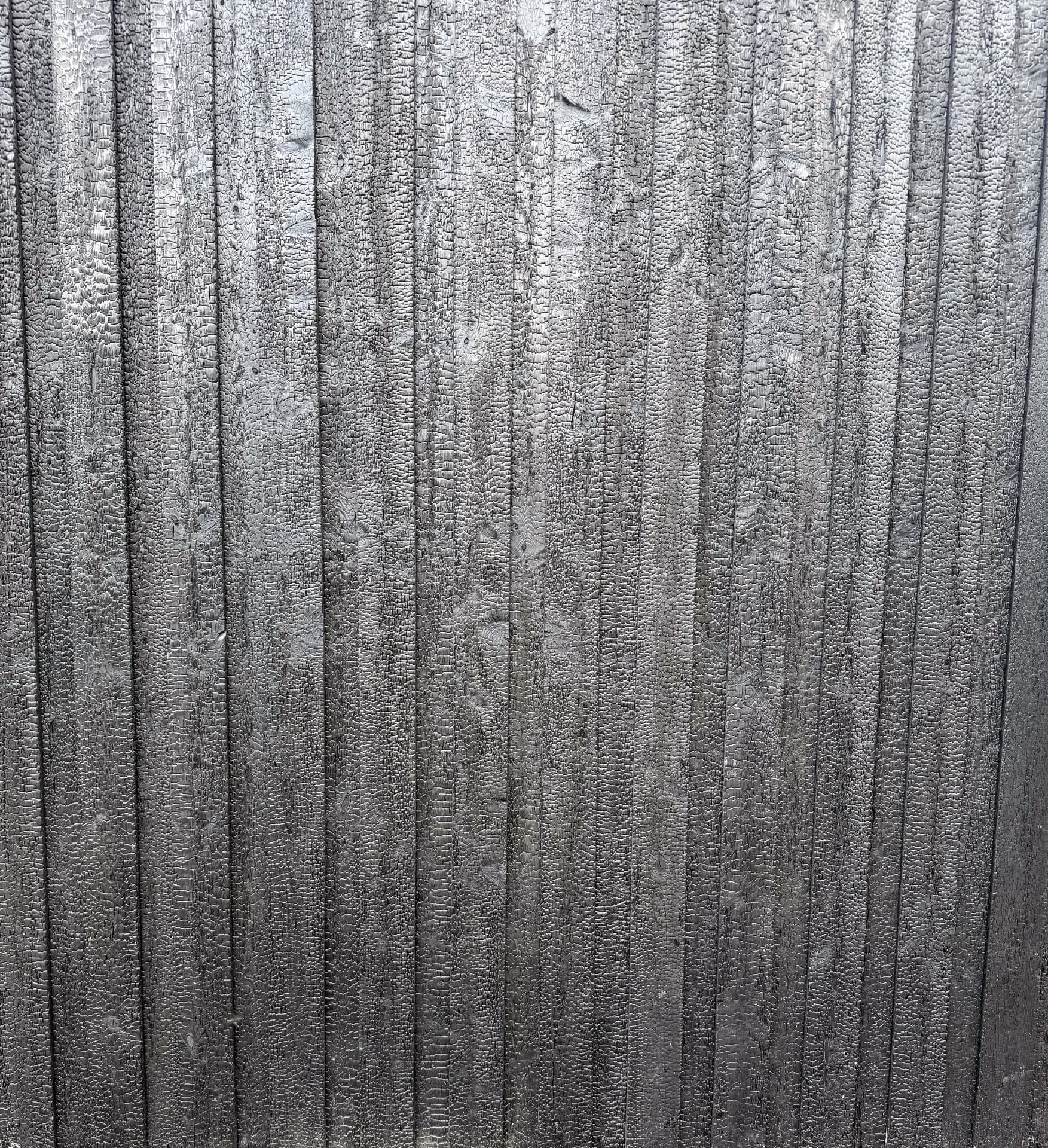
A preserved carbon surface keeps more of the material created during charring. It can have a deep, sculptural appearance with visible cracks and plates. A brushed surface removes part of that carbon layer and exposes more of the wood underneath.
This creates two broad visual directions:
Preserved carbon
- Deeper black appearance
- Strong surface texture
- More visible carbon character
- Dramatic effect across large surfaces
Brushed grain
- More visible timber grain
- Cleaner surface definition
- Stronger connection with the natural wood
- Often a calmer architectural appearance
Neither approach is automatically better. The right choice depends on what the building needs to communicate and how close people will be to the surface.
Where Charred Timber Works Best
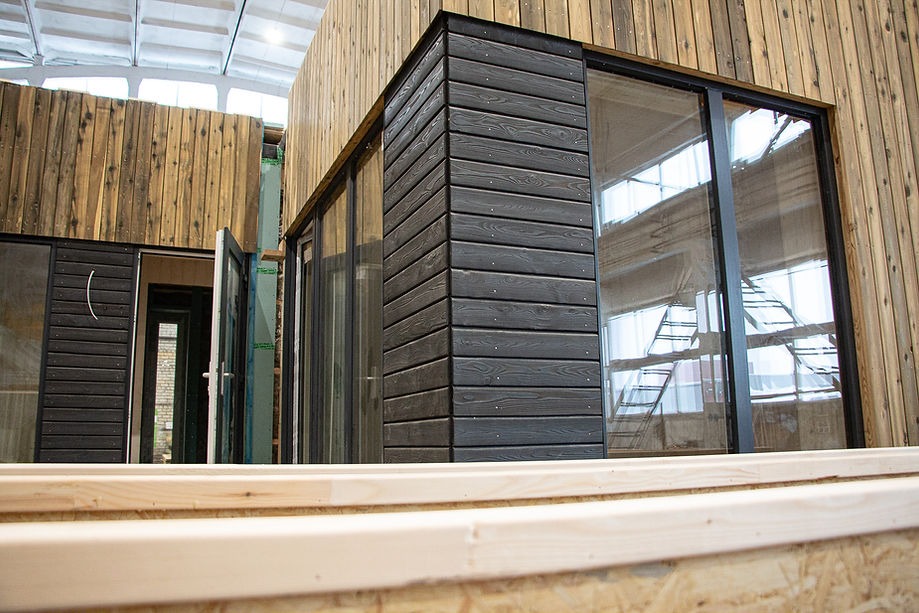
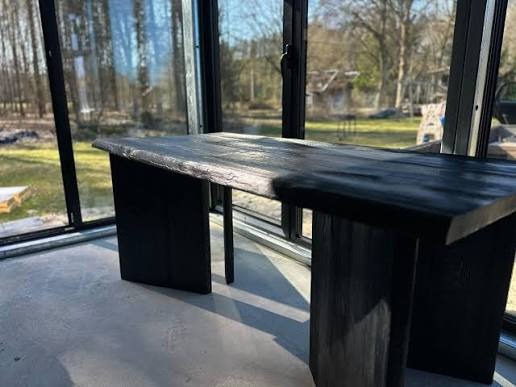
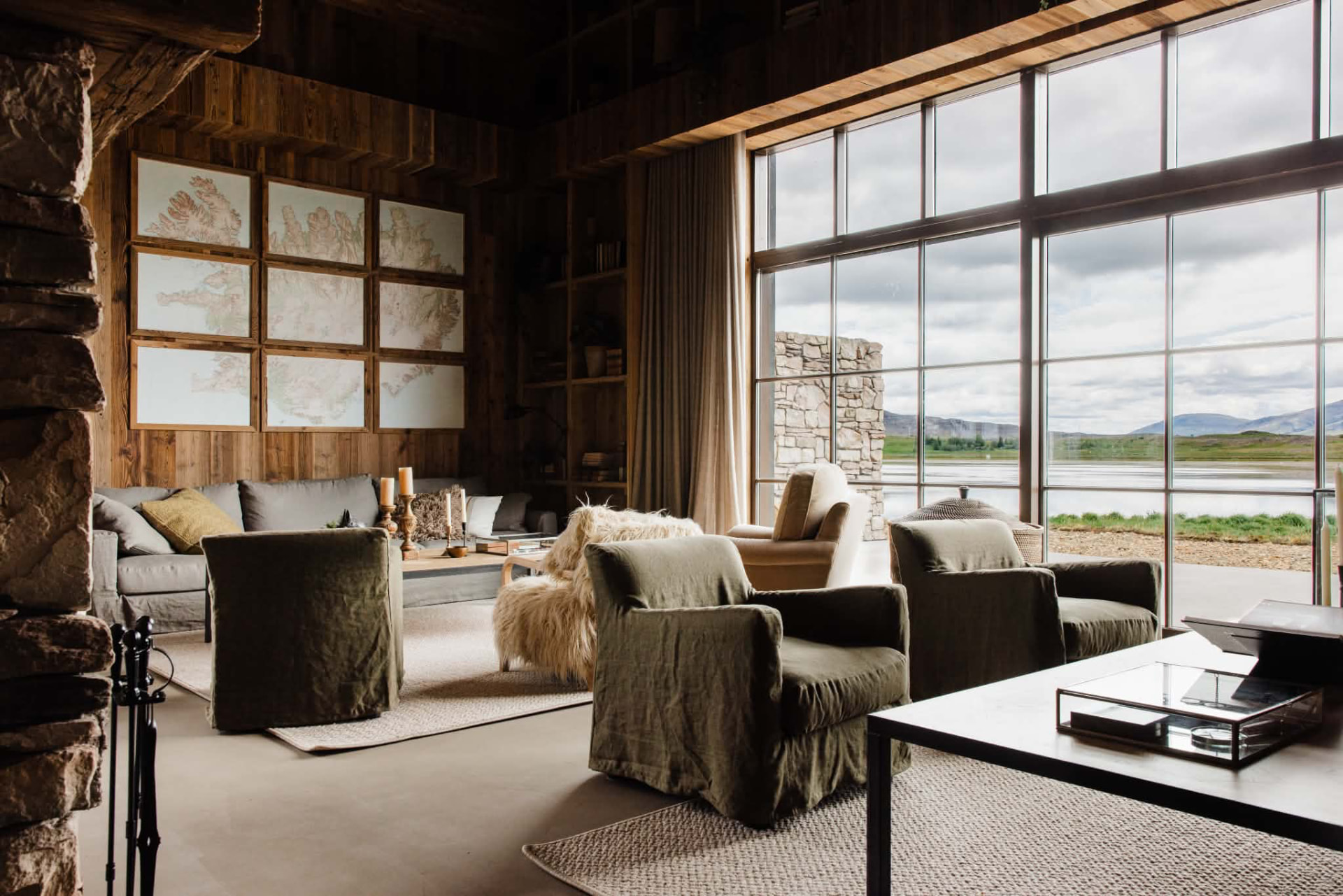
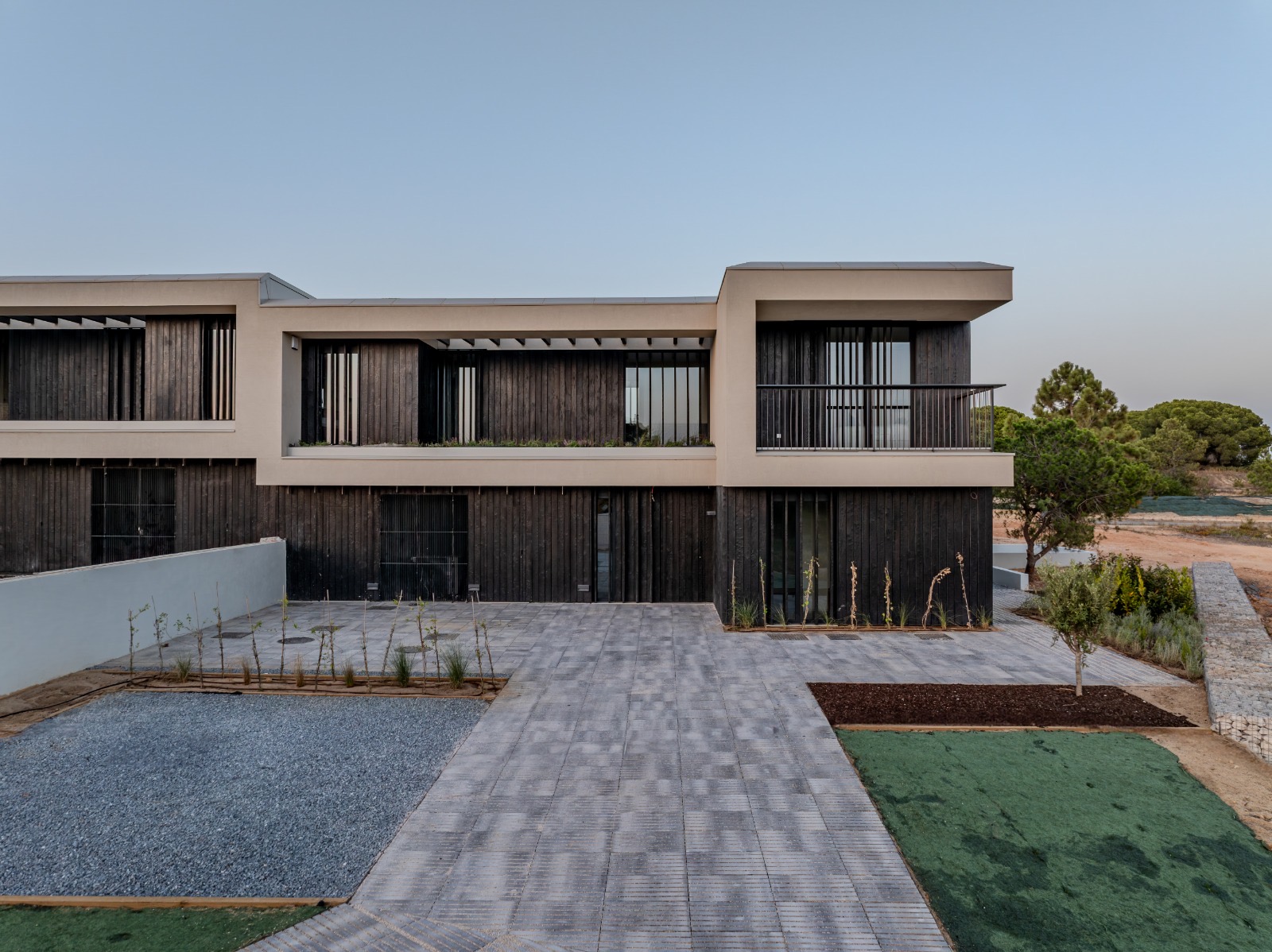
Charred timber is often associated with exterior façades, but its applications can go beyond a building's outer walls. BAUWN currently lists exterior cladding, interior lining, decking, fences, soffits, doors and bespoke architectural elements among its applications.
A project may use charred timber for:
- A complete exterior façade
- A smaller entrance feature
- Garden or boundary fencing
- Interior walls and ceilings
- Soffits and architectural details
- Areas where timber needs to become a strong visual feature
Use of scale is equally important. While a highly textured material could make a great impression on a large building frontage, it would have quite a different effect on an interior wall.
This is when black charred wood goes beyond being just a color. Texture, lighting, other materials around, and the distance from which the surface is seen all contribute to its final impression.
What Should You Check Before Choosing?
Choosing charred timber should not depend on color alone. Some basic questions can help avoid costly errors.
Here are some of the factors to consider before that:
- Where is the timber going to be used?
- Which type of wood is best for the project?
- Is there a need for carbon or woodgrain to show?
- How is the finished product going to be viewed?
- Profile and fixing methods needed?
- Did one see a physical sample?
BAUWN, in fact, advises checking the timber, texture and finish before deciding on a project, which is why material samples are provided.
Why Samples Matter Before Ordering
A screen image cannot fully show the depth of charred timber. Light moves across cracked carbon differently from a brushed grain surface. The same finish can also look different depending on the direction of the grain and the surrounding materials.
A sample helps answer practical questions that photographs cannot:
- Is the black too strong for the building?
- Is the texture deeper than expected?
- Does the grain suit the surrounding materials?
- Does the finish look right in daylight?
- Does the timber feel appropriate for the intended application?
For larger architectural projects, this small step can prevent a much bigger mistake. It also gives designers and property owners a better understanding of what they are actually specifying.
A More Informed Way Forward
Shou Sugi Ban products need to be seen in the light of being composed of timber, burning, surface preparation and application use. It is not always the darkest version that is most appealing, but the wood whose grain, finish, and stability work well with the project.
Burnt larch cladding, for instance, is especially fascinating in the case where a strong grain and prominent surface texture are desired. Other types of timber might be more applicable in other circumstances.
The essential thing to remember is straightforward: don’t rely on images alone to decide which type of charred timber you want. Compare the timber type, finish, and appearance, then examine physical samples.
Frequently Asked Questions About Charred Timber
Are all black charred timbers alike?
No. Depending on the timber, burning, surface, brushing, finishing, and wood grain, they may all end up with a unique appearance. Two pieces of blackened wood may both appear black but will be completely different.
Can black wood be used outside?
Certainly, it can be used for outdoor projects, but it is dependent on many variables – from the type of timber to the whole cladding process.
Why is there so much difference between the textures of charred larches?
This happens because larch has a strong distinction between soft early growth and hard late growth timber. After being charred and brushed, the texture becomes more prominent.
Is the brushed surface without the blackness?
It is not always true. While some finishes protect the carbon layer, others are brushed after charring to bring out the grain of the wood. KAEN and KIME from BAUWN prove this point.
Do I need to see the samples before ordering timber?
Sure. It is much easier to see in the samples all the texture, the grain of the timber, the color, and behavior in the light than in the photos.
Choose The Surface With Confidence
Charred wood is about more than just turning the wood black. The process should serve to expose a surface with dimension, texture, and character.
When it comes to a project where it is necessary that the material becomes an architectural element, the following guidelines can be helpful: compare the timber, evaluate the finish, send samples, and make a decision based on the appearance and characteristics of the material.
In the case of a façade, interior, fence, or any other architectural element, the choice starts with the material and not its color.