What Makes Black Wood Cladding Texture So Unique?
By BAUWN·12 October 2026·6 min read
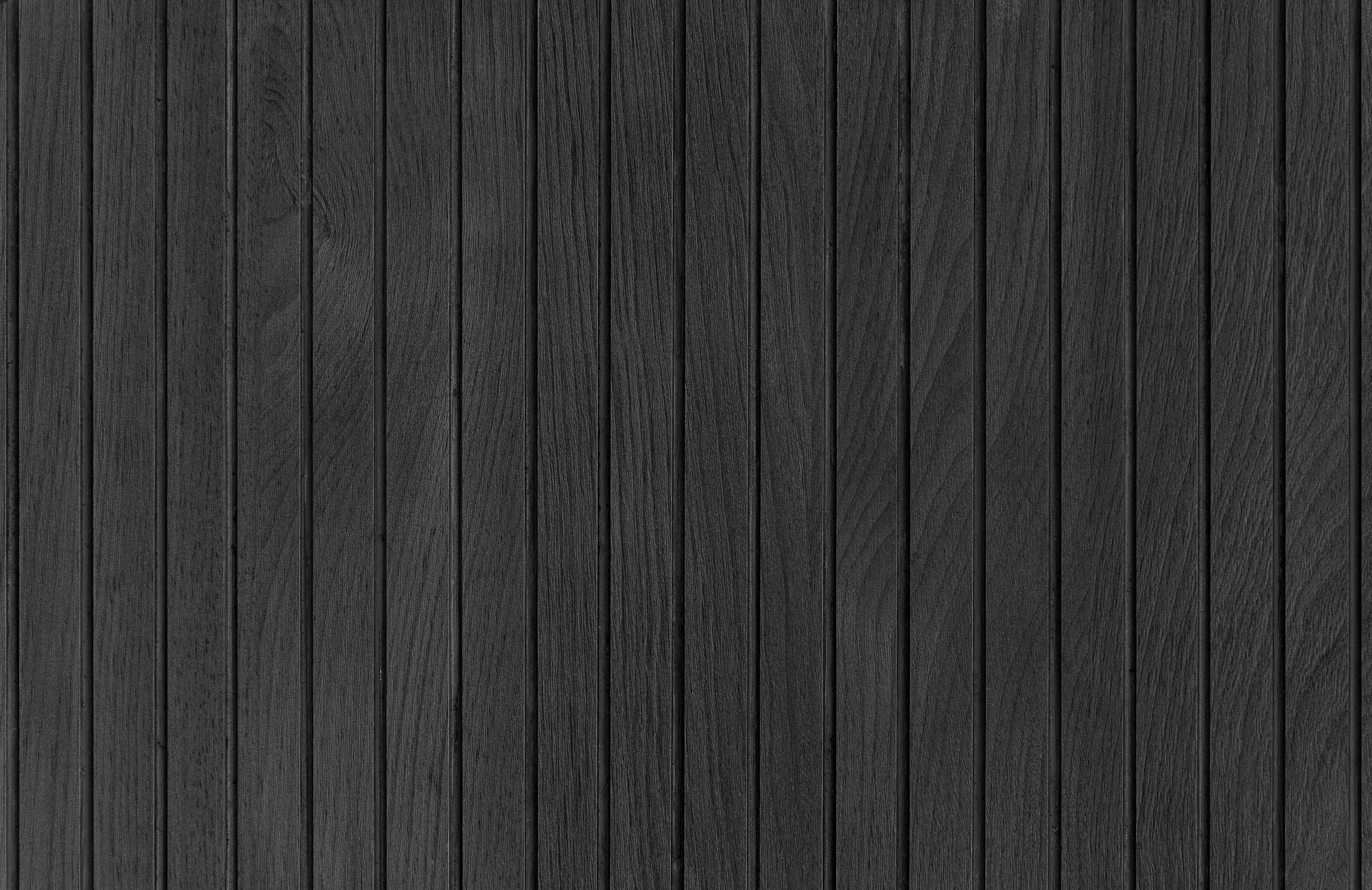
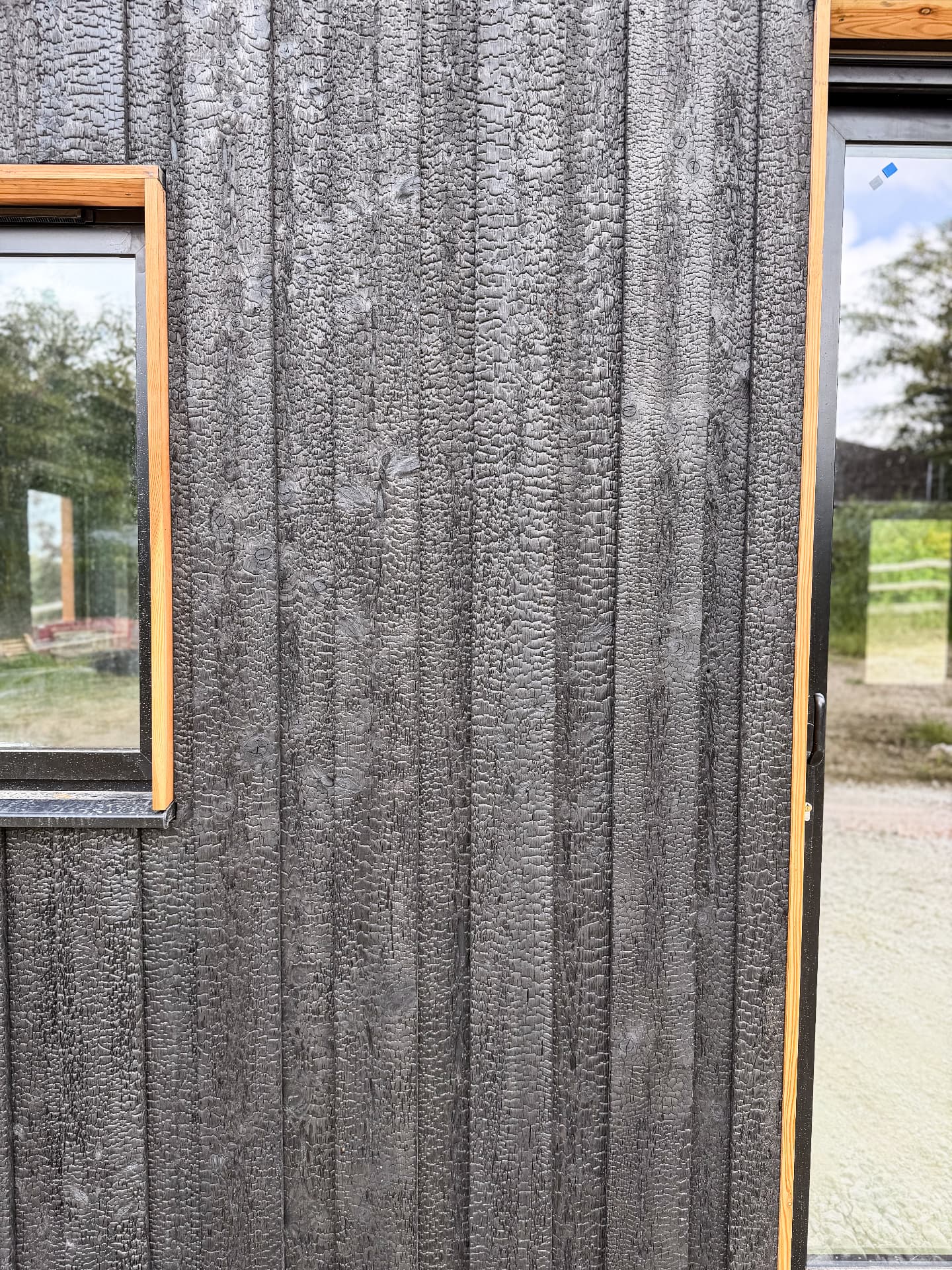
Black wood can look simple from a distance, but stand close to it and the surface tells a different story. Raised grain, small grooves, carbon patterns, and shifting tones appear as light moves across the boards. That is what makes black wood cladding texture more than a colour choice. It comes from timber, heat, grain, brushing, and finishing working together.
Two black timber walls can therefore look completely different. Wood species, growth rings, charring depth, and finishing all influence the surface. These details help architects and homeowners choose a finish for the building.
Fire Creates More Than Black
Controlling heat not only turns the wood dark, but it also alters the surface and reveals details that are often concealed in untreated wood.
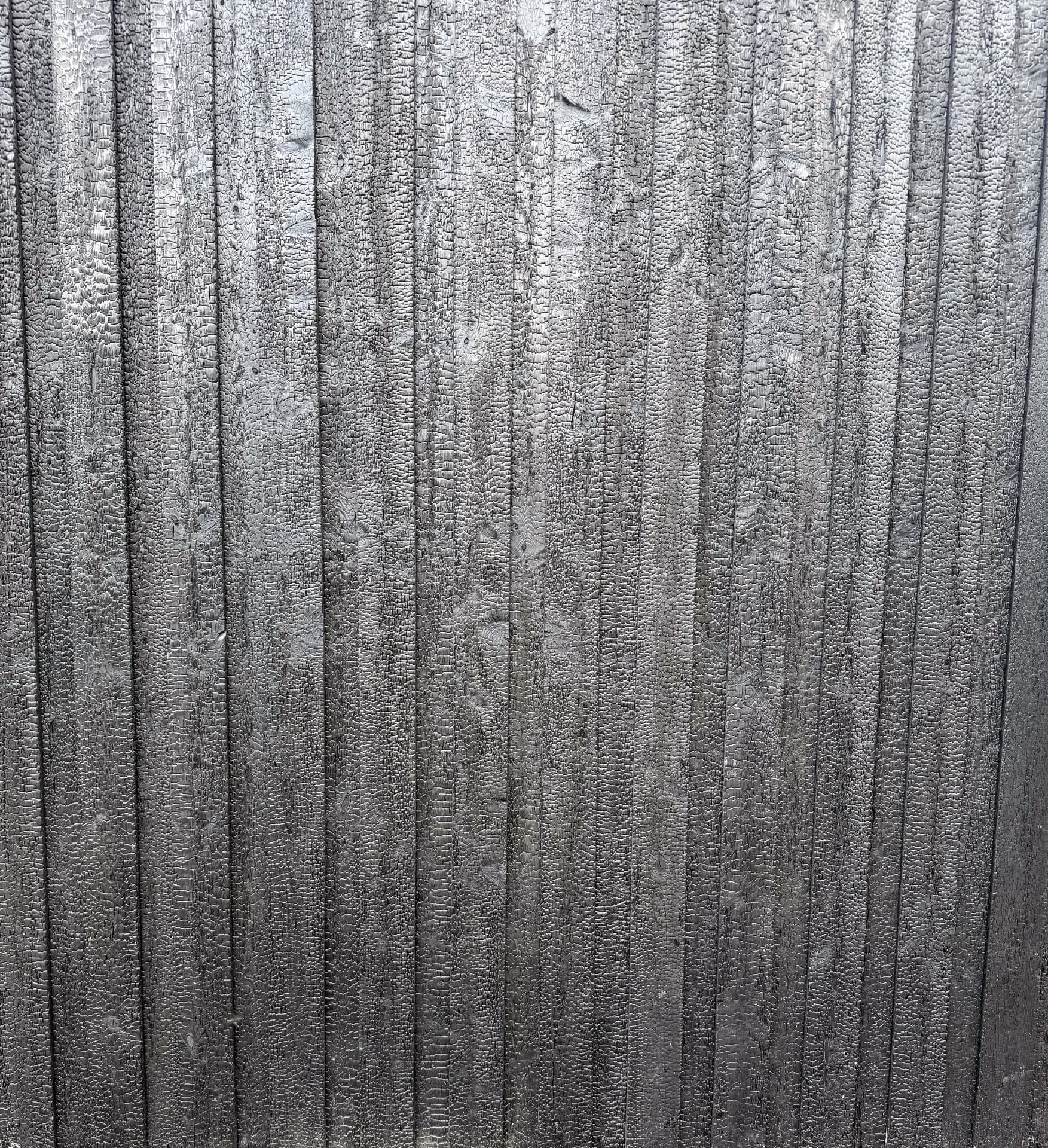
With the application of controlled flame on timber, there are possibilities of the softwood and hard sections responding to the controlled flame differently. In certain instances, the surface becomes cracked, ridged, scaled, or brushed.
The BAUWN process involves selecting materials, controlled charring, brushing and sealing, and lastly hand inspecting. This is why the character of the surface is developed in multiple steps.
Grain Gives Every Board Character
Grain structure is one of the key factors in making sure that burned surfaces do not have a consistent look. This is because all trees grow differently. As such, there are different ring patterns, knots, density, and grain.
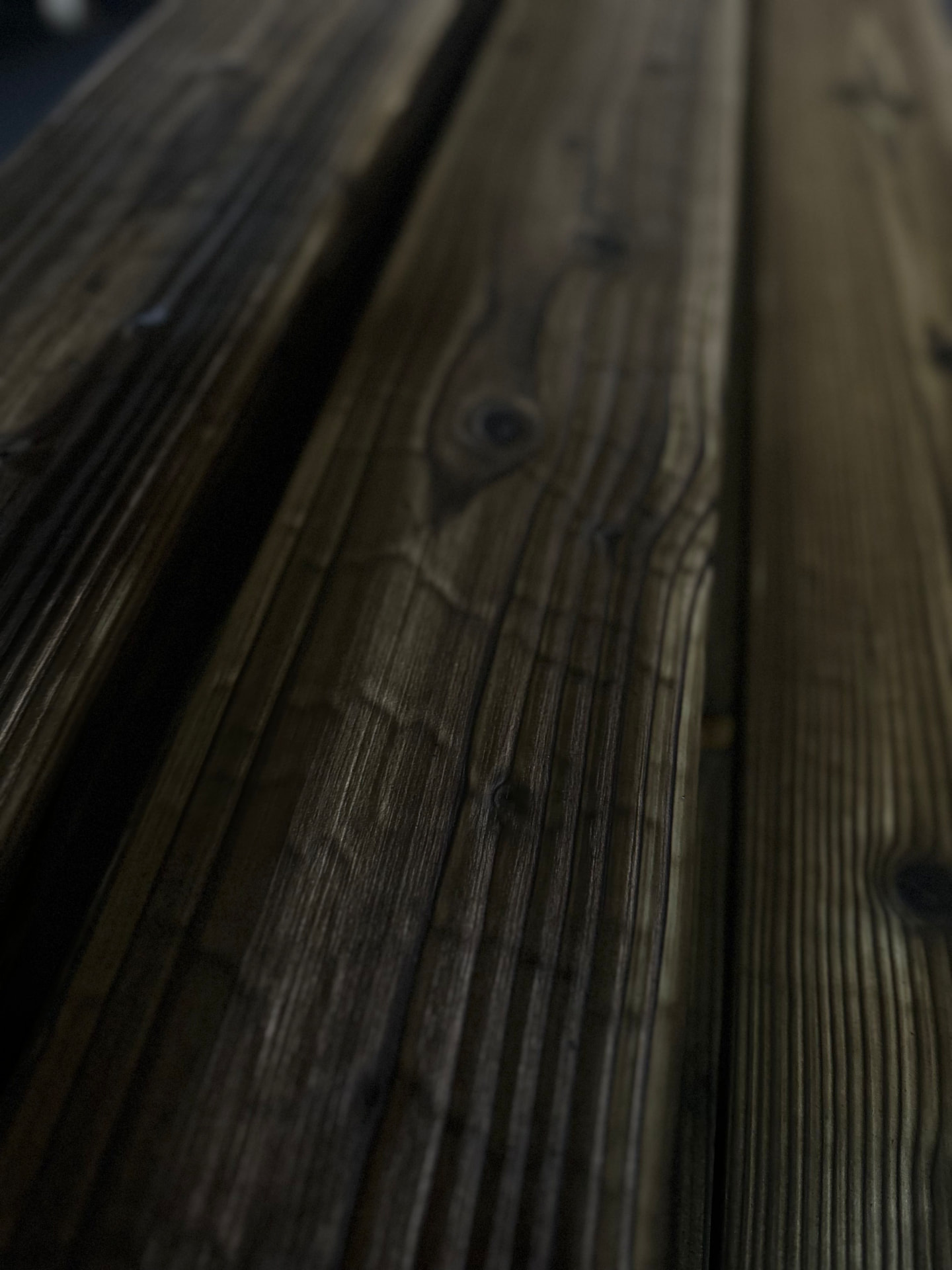
As a result of the presence of fire, there is an increased likelihood of visible wood grain. The wider ring may result in large grain lines being raised while softer areas are sunk by brushing. It is for this reason that there is distinctiveness in Japanese wood texture. The grain is straight, while the growth rings are wide in the case of Japanese cedar because of its low density..
Charring Depth Changes Surface Appearance
The depth or subtlety of the black wood cladding texture effect depends on the treatment of timber. The charred wood does not always have the same depth or relief. The chasm of the char, heating time, timber type, and finish affect the outcome.
Deeper char leads to stronger cracking and shadow effects. Brushing reveals harder growth rings of the timber.
| Surface approach | Visual effect |
|---|---|
| Deep carbon surface | Bold, cracked, sculptural |
| Brushed char | Clear grain and linear rhythm |
| Light brushing | Softer texture with visible grain |
| Dark finished | Even colour with surface depth |
Light Reveals Texture Throughout Day
Black walls with a textured surface change with changing lighting. The effect of charred wood becomes more apparent with the movement of light over the lines and crevices. For example, the light at dawn may accentuate one row of lines, while at dusk the shadows created become even more pronounced.
BAUWN’s KAEN Carbon Japanese Cedar employs an unbrushed carbon surface with larger carbon panels. Its relief is so deep that it can retain shadows and still be visible from a distance. In contrast, the KIME Black brushed its surface back to the harder growth rings.
Japanese Cedar Responds Differently
Different timber types are important since they burn differently on every board. Properties such as density, grain, oil content, and growth patterns may determine how the board chars and retains the carbon layer on the surface.
Japanese cedar is particularly unique because of the wide grain and relatively low density. Such properties will ensure that the surface gains depth and character. This makes the texture of the Japanese wood an important factor in design rather than style.
Brushing Reveals Harder Growth Rings
Brushing can alter the nature of the burned surface quite considerably. Soft areas are stripped off, and only hard growth rings are left raised.
If you run your fingers over a correctly brushed specimen, the effect will become obvious. The wood has hills and valleys that create its own rhythm on the wall.
The KIME Black Japanese Cedar is one good illustration. The soft summer wood is brushed out in broader channels and creates ribs according to the tree's growth process.
Texture Creates Architectural Depth
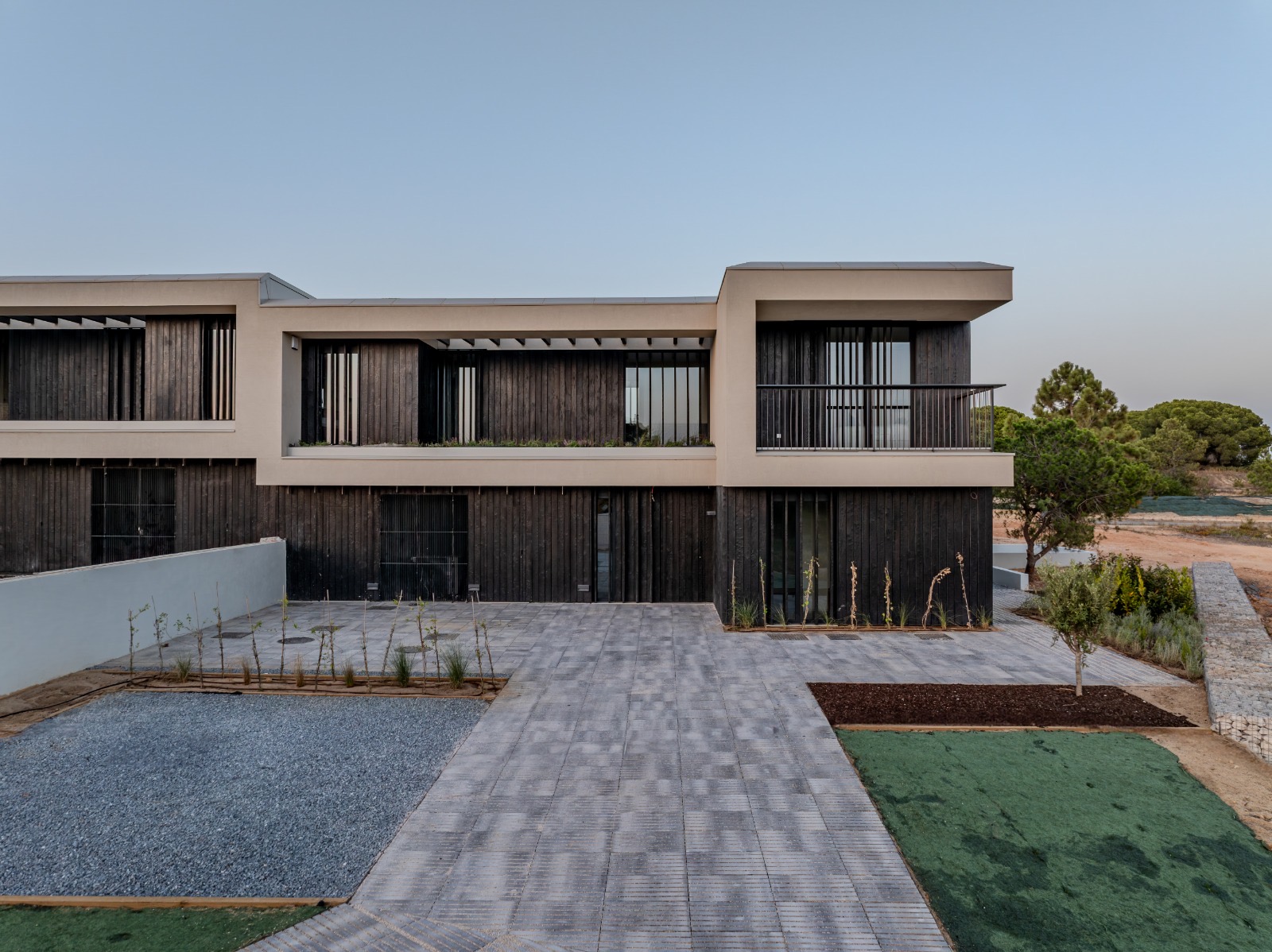
Black wood cladding texture is also important for the impression of the building as seen from the street and up close. A dark wall appears to be a flat surface if there is little texture on it. Texture plays an important role in light and shadow.
Charring the surface produces a striking effect, and the building looks almost sculptural. Brushing helps produce linear patterns following the lines of the building. Soft texture warms up the design without becoming the main element.
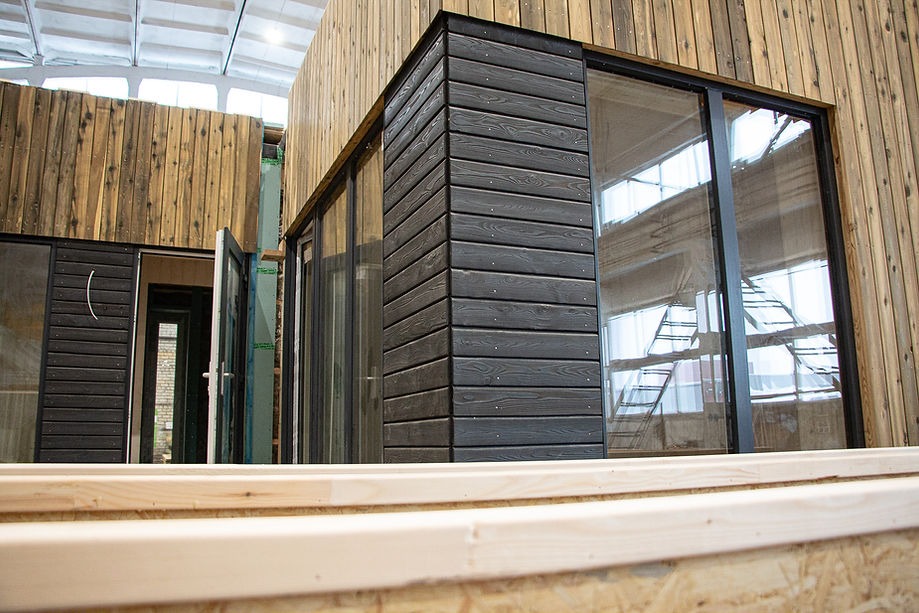
That is why charred timber texture works great with glass, concrete, stone, metal, and plantings. The best combination is the one where texture is in support of architecture.
Finish Choice Should Match Scale
Project scale should influence the texture you choose. A finish that looks impressive on a small sample may behave differently across an entire façade.
Before selecting a finish:
- View a full-size sample in natural daylight.
- Check it from close and distant viewing points.
- Compare it beside glass, stone, concrete, or metal.
- Consider how shadows will fall across the surface.
- Think about how the timber may look as it ages.
- Check installation and maintenance requirements.
But perfection in terms of complete uniformity does not always have to be the case in natural wood materials. Some small differences in the grain, charring, brushing, and color of wood are what make a façade look like it is supposed to. BAUWN has the additional step of hand-checking after charring, brushing, and finishing processes.
Let The Surface Tell Its Story
The proper finish should be appropriate for the size of the structure, the material surroundings, light conditions, and the ambience.
Consider the effect you wish visitors to experience upon approaching the structure. Do you wish for the wall to be dramatic and sculptural, or would you like the texture to be rhythmical? These considerations help to determine whether to choose a carbon or brushed finish.
Black timber has character beyond the color. The identity of black timber is about the interaction of wood and fire, as well as the grain, texture, light, and finish of the wood.
To get a facade or interior that looks natural rather than artificial, take time to compare real samples before choosing the material. Study the grain of the wood and feel the texture of the material in different light conditions. Are you looking for reliable and trustworthy black wood cladding texture services? Feel free to visit us at Bauwn to explore our premium collection and find the perfect match for your design.
Frequently Asked Questions
What produces black timber surface texture?
This is caused by the interplay of the timber grain, charring of the surface, brushing, and finish application. The heat affects the surface, while brushing makes any harder growth rings visible and creates grooves.
Is it true that all timbers have a similar texture when charred?
Absolutely not. Different types of timber have different densities, patterns of grains and growth rings. Therefore, depending on how they react to heat and brushing, the texture of each one is going to be quite distinct.
Why is the wood texture of Japan different from other countries?
That’s because the traditional methods of Japanese woodworking take into account the properties of the timber, which are very sensitive to charring.
What should I consider when choosing black timber texture?
Firstly, you need to find a sample of this wood and evaluate it under the same lighting conditions as the place where your project is going to be located. You must compare it with other materials in terms of the depth, grain, color, and scale.